Lissewege
A white-washed polder village north of Bruges with an enormous brick church tower and a Cistercian barn nearby.
Updated 31 August 2026
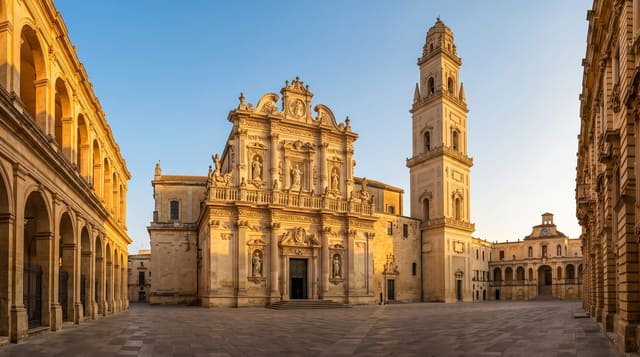
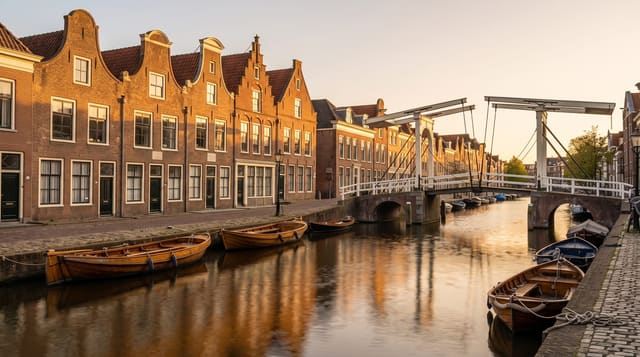
Lissewege is a polder village of white-washed brick houses along a canal, and the thing that makes it strange is scale: the church of Our Lady, built in the thirteenth century when a local shrine drew pilgrims, has a brick tower some fifty metres high and a nave to match, standing over a village of a few hundred people in flat open country where it is visible for kilometres. The interior has a Gothic rood loft and baroque fittings. A kilometre away stands the tithe barn of Ter Doest, all that survives of a large Cistercian abbey, a thirteenth-century brick building with an oak roof structure of great span, generally reckoned among the finest medieval barns in Europe and now used for events.
What's there
- A fifty-metre brick tower - out of all proportion to the village.
- White-washed houses - the polder village along its canal.
- The Ter Doest tithe barn - a thirteenth-century Cistercian barn with an oak roof.
- Flat polder country - the tower visible for kilometres across it.
When to go
April to October for the cycle ride from Bruges. Two hours. The church is open daily; the barn is used for events and access varies. Weekdays are quiet.
Before you go
It is a village and two hours covers it. The barn is a private events venue and access is not guaranteed. There is little in the way of facilities. The cycle route from Bruges runs past industrial areas near Zeebrugge.
Nearby
Bruges is south; the Zwin and the coast lie north.
Key facts
Source: Wikidata, item Q1924402, read on 18 October 2026.
What to pack for Lissewege
Chosen from what this place is for. Tap a kit for the full checklist.
- Comfortable walking shoes - Sightseeing means kilometres of pavement and cobbles daily. Find on Amazon
- Modest clothing - Shoulders and knees covered - the single most common requirement. Find on Amazon
- A slim anti-theft daypack - Zips that close properly; keep it in front in crowds and on transit. Find on Amazon
- A scarf or shawl - To cover the head or shoulders on entry; women especially at mosques. Find on Amazon
Some links on this page are Amazon affiliate links - if you buy through them we may earn a small commission at no extra cost to you.
All packing kitsPlan your trip
Where to start if Lissewege is going on the list.
Booking links on this page are affiliate links - if you book through them we may earn a small commission at no extra cost to you. It never changes what we write about a place.
Opening times, ticket prices and seasonal closures change - check the official source before you go: official site.