Birishiri
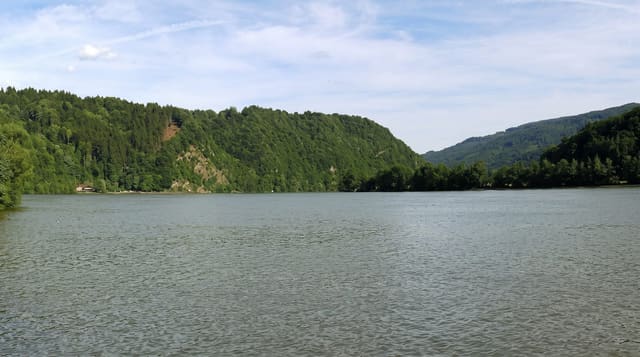
A ceramic-white and turquoise river below the Garo hills at Durgapur, dug for china clay.
Updated 31 August 2026
Birishiri, properly the area around Durgapur in Netrokona, sits on the Someshwari river below the Garo hills of the Indian border, and its draw is the china clay: the banks and bed have been dug for white ceramic clay for decades, and the pits and the river fill with water that takes a milky turquoise colour against the white ground, strongest in the dry season. The Someshwari itself runs clear over sand with the hills behind, crossed by country boats. The area is home to Garo and Hajong communities with their own churches, a cultural academy in Birishiri village, and a Hajong resistance memorial. The road in is long and rough, which keeps numbers down relative to the photographs.
What's there
- Turquoise water in white clay pits - the colour the area is known for.
- The Someshwari river - clear water over sand below the hills.
- Garo and Hajong communities - the cultures of the border strip.
- The Garo hills behind - the Indian range rising over the river.
When to go
November to March, when the water is clearest and the colour strongest. A day, or overnight given the journey. The road from Mymensingh is long and rough.
What to expect
The famous colour is a product of clay extraction, and the digging is ongoing and visible. The journey is long and uncomfortable. Facilities are basic. The most photographed pits change as digging moves.
Nearby
Durgapur is the base; the Garo hills rise across the border.
What to pack for Birishiri
Chosen from what this place is for. Tap a kit for the full checklist.
- Broken-in walking shoes or boots - Grip and ankle support matter more than looks; never hike in brand-new boots. Find on Amazon
- Reef-safe sunscreen - High SPF that will not bleach the coral you are swimming over. Find on Amazon
- Shelter suited to the place - Tent, tarp or hut booking - match it to the terrain and rules. Find on Amazon
- Layers + a waterproof shell - Mountain weather turns fast; a packable rain jacket saves the day. Find on Amazon
Some links on this page are Amazon affiliate links - if you buy through them we may earn a small commission at no extra cost to you.
All packing kitsPlan your trip
Where to start if Birishiri is going on the list.
Booking links on this page are affiliate links - if you book through them we may earn a small commission at no extra cost to you. It never changes what we write about a place.
Opening times, ticket prices and seasonal closures change - check the official source before you go: official site.