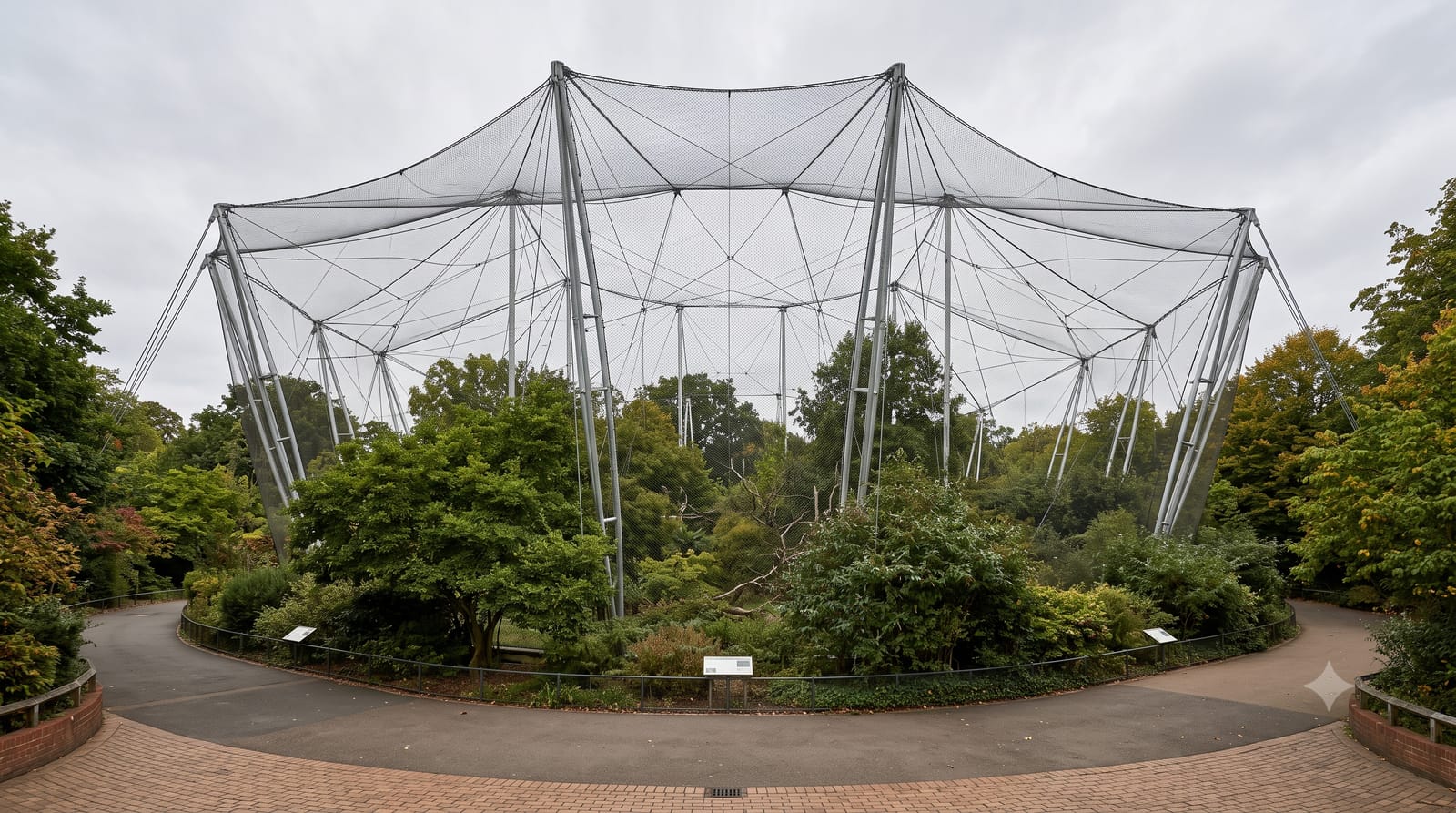
Al Areen Wildlife Park
A desert reserve for Arabian wildlife - oryx, gazelle and reintroduced species on the island's southern plain.
Updated 7 August 2026
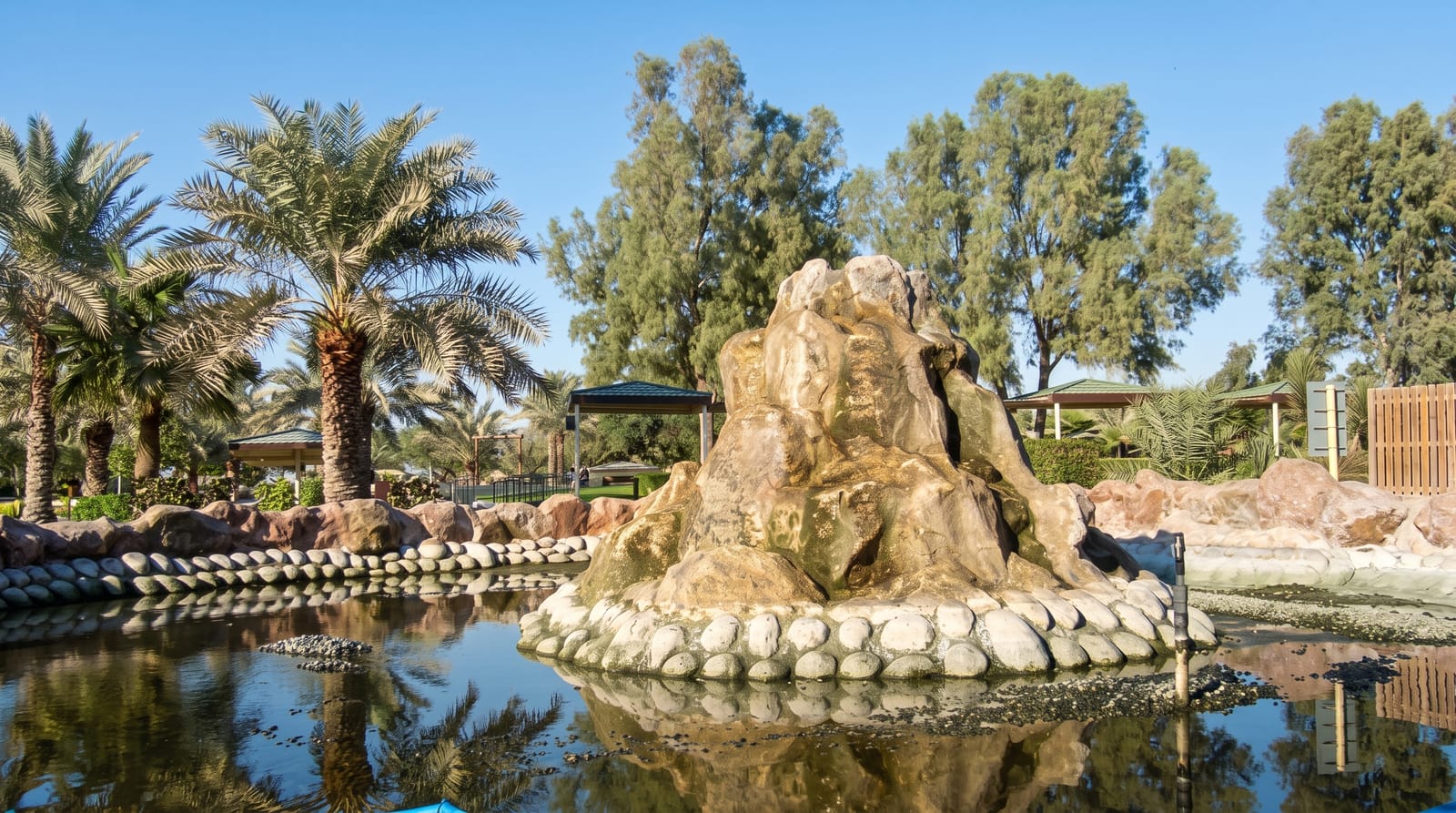
AI illustration
Al Areen was established in the 1970s as a reserve for Arabian species, and its most important work has been with the Arabian oryx - the desert antelope that was hunted to extinction in the wild and brought back through captive breeding programmes across the Gulf, of which Bahrain's was one. The park holds oryx, sand gazelle, Arabian tahr, ostriches and a range of birds across an enclosed desert plain, with a bus tour through the larger enclosures and walking areas for the smaller ones. Half the reserve is closed to visitors entirely as a protected breeding area.
What's there
- Arabian oryx - the species saved from extinction by Gulf breeding programmes.
- Sand gazelle and tahr - other native Arabian species.
- The bus tour - the circuit through the large open enclosures.
- Bird collections - regional and migratory species.
When to go
The cool season from November to March is best for both animals and visitors; animals shelter through the heat of summer days and are barely visible. Early morning and late afternoon are the active hours. Weekends bring local families.
What to expect
It is a zoo and wildlife park rather than a wild reserve, and enclosures vary in size and quality - visitors uncomfortable with captive animals should weigh that. The bus tour is fixed and does not stop long. Shade is limited. It works best combined with the nearby Tree of Life and the Formula One circuit area on a southern-Bahrain day.
Nearby
The Tree of Life, the Bahrain International Circuit and Zallaq beach.
What to pack for Al Areen Wildlife Park
Chosen from what this place is for. Tap a kit for the full checklist.
- Binoculars - The single best wildlife tool - even a compact pair transforms a sighting. Find on Amazon
- Loose, light, long clothing - Covering up beats bare skin in the desert - and locals dress this way for a reason. Find on Amazon
- Comfortable walking shoes - Sightseeing means kilometres of pavement and cobbles daily. Find on Amazon
- A zoom camera or long lens - Animals rarely come close; reach beats megapixels. Find on Amazon
Some links on this page are Amazon affiliate links - if you buy through them we may earn a small commission at no extra cost to you.
All packing kitsPlan your trip
Where to start if Al Areen Wildlife Park is going on the list.
Booking links on this page are affiliate links - if you book through them we may earn a small commission at no extra cost to you. It never changes what we write about a place.
Opening times, ticket prices and seasonal closures change - check the official source before you go: official site.