Pompey Museum
A museum of slavery and emancipation in the Nassau building where enslaved people were sold, named after a man who led a revolt.
Updated 1 September 2026

AI illustration
Vendue House on Bay Street was the market where goods and enslaved people were sold in the late eighteenth and early nineteenth centuries, and it is now the museum of slavery and emancipation, which is an unusually direct piece of reuse. It is named for Pompey, an enslaved man on Exuma who in 1830 led around seventy others in refusing to be moved to another plantation, escaping to Nassau to petition the governor; they were flogged but their case contributed to the pressure that ended the practice. The displays cover the Middle Passage, plantation life in the Bahamas, resistance and emancipation in 1834, alongside a permanent Amos Ferguson collection upstairs.
What to look for
- Vendue House itself - the building where people were sold.
- The Pompey story - the 1830 Exuma revolt the museum is named for.
- The emancipation displays - the 1834 abolition and what followed.
- The Amos Ferguson collection - permanently installed upstairs.
When to go
Year-round; closed Sundays. Mornings are quieter. Emancipation Day at the start of August brings commemorations and events. The museum is small and takes about an hour.
Good to know
It is small and has been closed for extended restoration periods, so confirm it is open before walking down. Displays are modest and funding is clearly limited. It sits on Bay Street among the duty-free shops and cruise traffic, which makes the contrast jarring in a way that is arguably appropriate.
Nearby
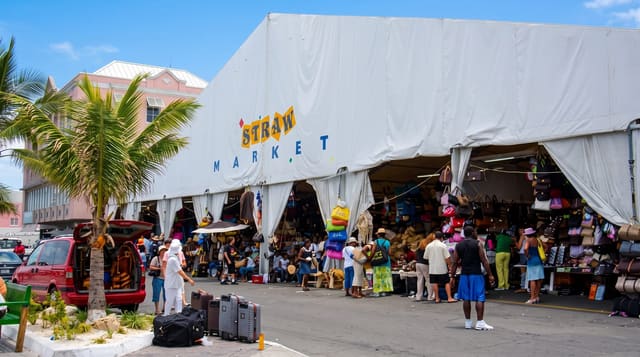
The straw market is next door; Parliament Square is a short walk.
Key facts
Source: Wikidata, item Q137722346, read on 18 October 2026.
What to pack for Pompey Museum
Chosen from what this place is for. Tap a kit for the full checklist.
- Comfortable walking shoes - Sightseeing means kilometres of pavement and cobbles daily. Find on Amazon
- A slim anti-theft daypack - Zips that close properly; keep it in front in crowds and on transit. Find on Amazon
- A refillable water bottle - Many cities have public fountains; save money and plastic. Find on Amazon
- A light layer + compact umbrella - For museum air-con and a sudden shower. Find on Amazon
Some links on this page are Amazon affiliate links - if you buy through them we may earn a small commission at no extra cost to you.
All packing kitsPlan your trip
Where to start if Pompey Museum is going on the list.
Booking links on this page are affiliate links - if you book through them we may earn a small commission at no extra cost to you. It never changes what we write about a place.
Opening times, ticket prices and seasonal closures change - check the official source before you go: official site.