Volksgarten
A formal rose garden laid out on a demolished bastion, with a Greek temple and a memorial to Empress Elisabeth.
Updated 29 August 2026
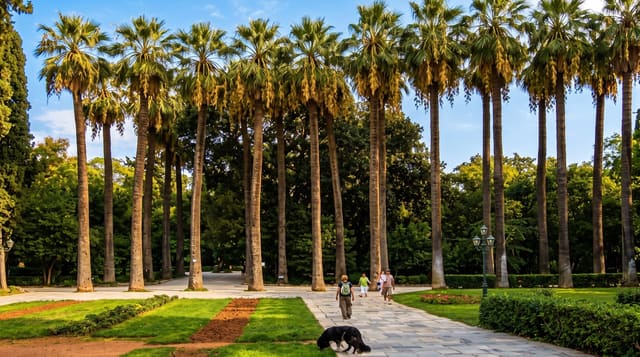
Napoleon's troops blew up the Burgbastei in 1809, and the ground was laid out from 1823 as a garden - opened to the public from the start, which the name records. It is formal where the Stadtpark is landscape: axial paths, clipped hedges and around three thousand rose bushes in some four hundred varieties in beds that are the reason most people come between May and September. The Theseustempel of 1821 by Pietro Nobile, a scaled version of the Theseion in Athens, stands at one end and was built to hold Canova's Theseus group, now in the Kunsthistorisches; it is used for small contemporary art installations. A marble memorial to Empress Elisabeth of 1907 sits in the shrubbery at the other end, and the Burgtheater and Hofburg close the sides.
What to look for
- Around three thousand roses - some four hundred varieties in formal beds.
- The Theseustempel - Nobile's 1821 Greek temple, now an art space.
- The Elisabeth memorial - the 1907 marble monument at the far end.
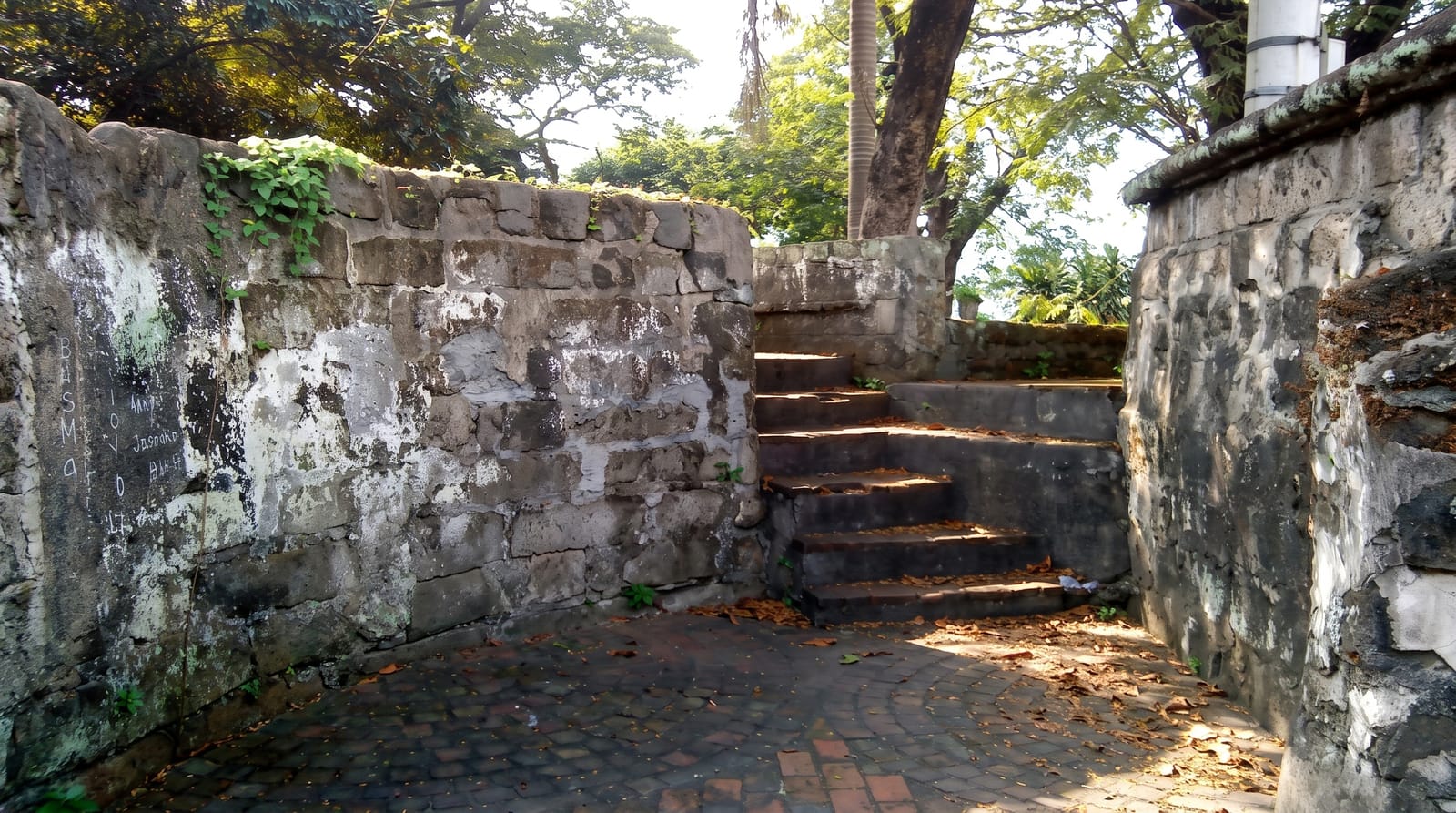
- A garden on a blown-up bastion - laid out after the French demolition of 1809.
When to go
May to September for the roses; June is the peak. An hour.
Things to know
Outside the rose season the beds are bare and the garden is plain. It is small and busy, sitting between the Hofburg and the Ring on a main tourist route.
Nearby
The Hofburg, Burgtheater and Heldenplatz are immediately around it.
What to pack for Volksgarten
Chosen from what this place is for. Tap a kit for the full checklist.
- Comfortable walking shoes - Sightseeing means kilometres of pavement and cobbles daily. Find on Amazon
- Modest clothing - Shoulders and knees covered - the single most common requirement. Find on Amazon
- A slim anti-theft daypack - Zips that close properly; keep it in front in crowds and on transit. Find on Amazon
- A scarf or shawl - To cover the head or shoulders on entry; women especially at mosques. Find on Amazon
Some links on this page are Amazon affiliate links - if you buy through them we may earn a small commission at no extra cost to you.
All packing kitsPlan your trip
Where to start if Volksgarten is going on the list.
Booking links on this page are affiliate links - if you book through them we may earn a small commission at no extra cost to you. It never changes what we write about a place.
Opening times, ticket prices and seasonal closures change - check the official source before you go: official site.