Hunter Valley Wine Region
Australia's oldest wine district, two hours north of Sydney, known for a long-lived Semillon style found almost nowhere else.
Updated 18 October 2026
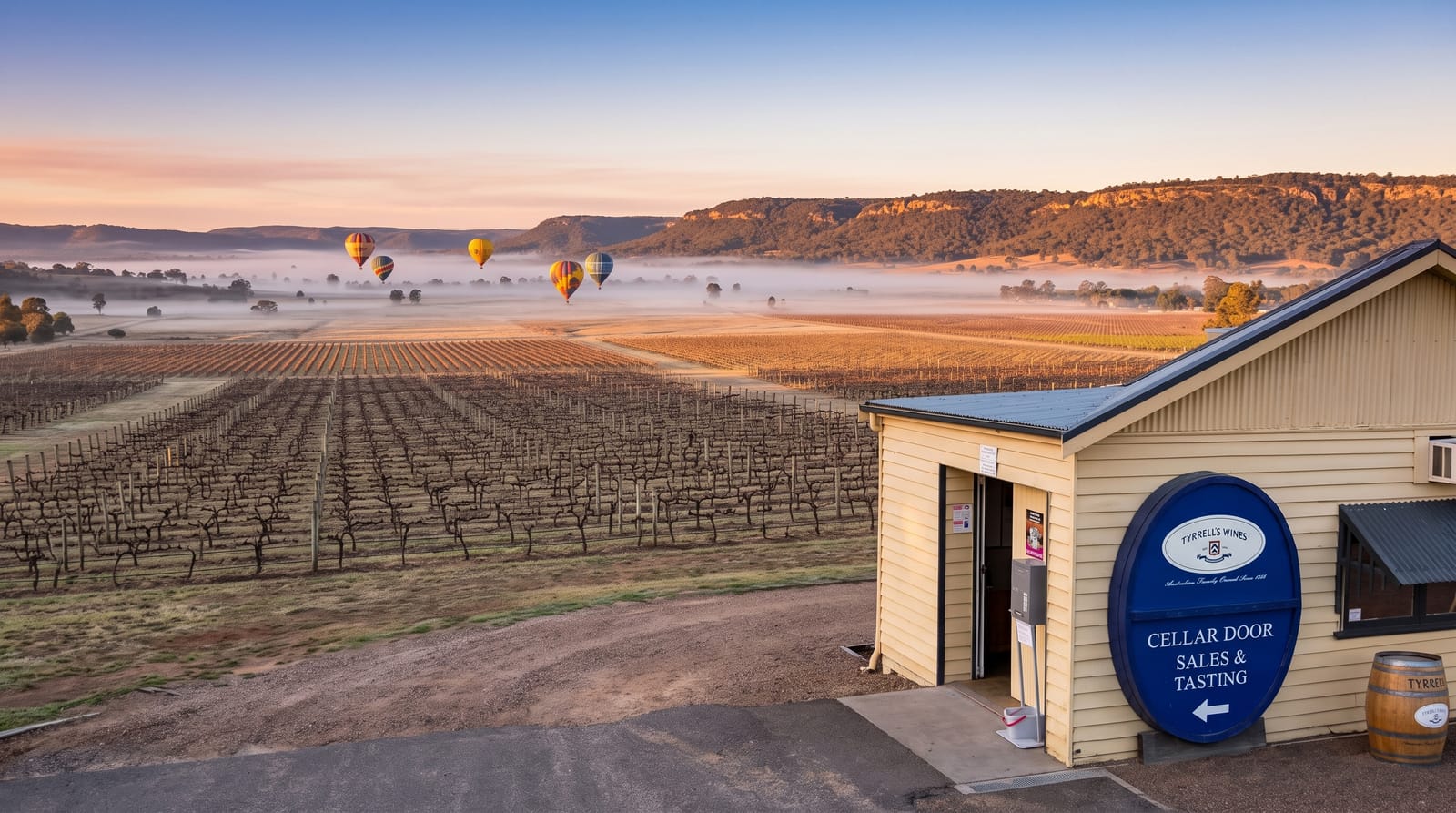
AI illustration
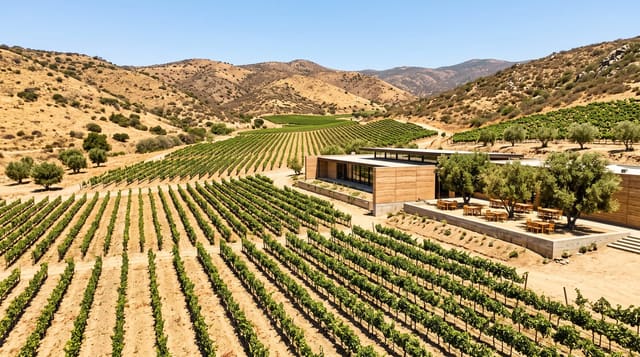
Vines went into the Hunter Valley in the 1820s and 1830s, which makes it the oldest surviving wine region in the country. Its reputation rests on Semillon, picked early and bottled without oak, which tastes thin and neutral when young and turns toasty and complex after a decade or more in the bottle. Shiraz is the other mainstay, lighter and more savoury than the Barossa style. The climate works against it: the Hunter is hot and humid with rain that often arrives at harvest, so vintages vary more than in most Australian regions. Pokolbin is the centre of the cellar door trade, and the valley has built a weekend economy of golf courses, balloon flights and concerts on winery lawns.
History
Lieutenant John Shortland found the Hunter River by chance in 1797 while chasing escaped convicts, and the region soon supplied timber and coal; vines followed the settlers north, encouraged by officials who hoped wine would temper drinking of spirits, and John Howe cut a route from Sydney into the lower valley in 1820. The first major planting came in 1825, when James Busby, often called the father of Australian wine, bought land between Branxton and Singleton and named it Kirkton, and in 1831 he gathered cuttings from more than 500 European and South African vineyards, including Syrah from the hill of Hermitage, many planted at Kirkton; George Wyndham and others planted vineyards in the 1830s, and the Hunter Valley Viticulture Society was founded in 1847 (Wikipedia, Hunter Valley wine region).
What you'll find
- The old Semillon vineyards - low-alcohol, unoaked whites made to be cellared rather than drunk young.
- Pokolbin - the concentration of cellar doors within a short drive of one another.
- The hot air balloons - dawn flights over the vineyards, weather permitting, most of the year.
- The Brokenback range - the escarpment ridge that closes the western side of the valley.
When to go
Autumn and winter are the most comfortable, with cool days and quiet cellar doors. Harvest falls in January and February, unusually early, in heat and humidity that make touring uncomfortable. Weekends are far busier than weekdays and many cellar doors keep short weekday hours. Summer concert weekends fill the valley and every bed in it.
Things to know
The Hunter is closer to a weekend industry than a working farming district in parts, with function centres and coach groups shaping the experience. Tasting fees are now standard. Drink-driving enforcement is strict, so budget for a driver or a tour. Summer humidity is heavy and the region can look brown and tired by February. Semillon rewards patience and disappoints anyone tasting it young without explanation.
Nearby
The Watagan ranges lie to the south and the Newcastle coast is about an hour east.
Key facts
Source: Wikidata, item Q5944605, read on 18 October 2026.
What to pack for Hunter Valley Wine Region
Chosen from what this place is for. Tap a kit for the full checklist.
- A reusable bag or container - For market produce and cutting down on packaging. Find on Amazon
- Strong insect repellent - DEET or picaridin; the jungle is where bites and disease risk are highest. Find on Amazon
- Wet wipes + hand sanitiser - Street food and washbasins do not always go together. Find on Amazon
- Long, light, quick-dry clothing - Covers skin from insects and sun without cooking you in the humidity. Find on Amazon
Some links on this page are Amazon affiliate links - if you buy through them we may earn a small commission at no extra cost to you.
All packing kitsPlan your trip
Where to start if Hunter Valley Wine Region is going on the list.
Booking links on this page are affiliate links - if you book through them we may earn a small commission at no extra cost to you. It never changes what we write about a place.
Opening times, ticket prices and seasonal closures change - check the official source before you go: official site.