Cossack
A pearling port of the 1870s abandoned to the tides, its stone buildings restored and standing empty on the Pilbara coast.
Updated 18 October 2026
AI illustration
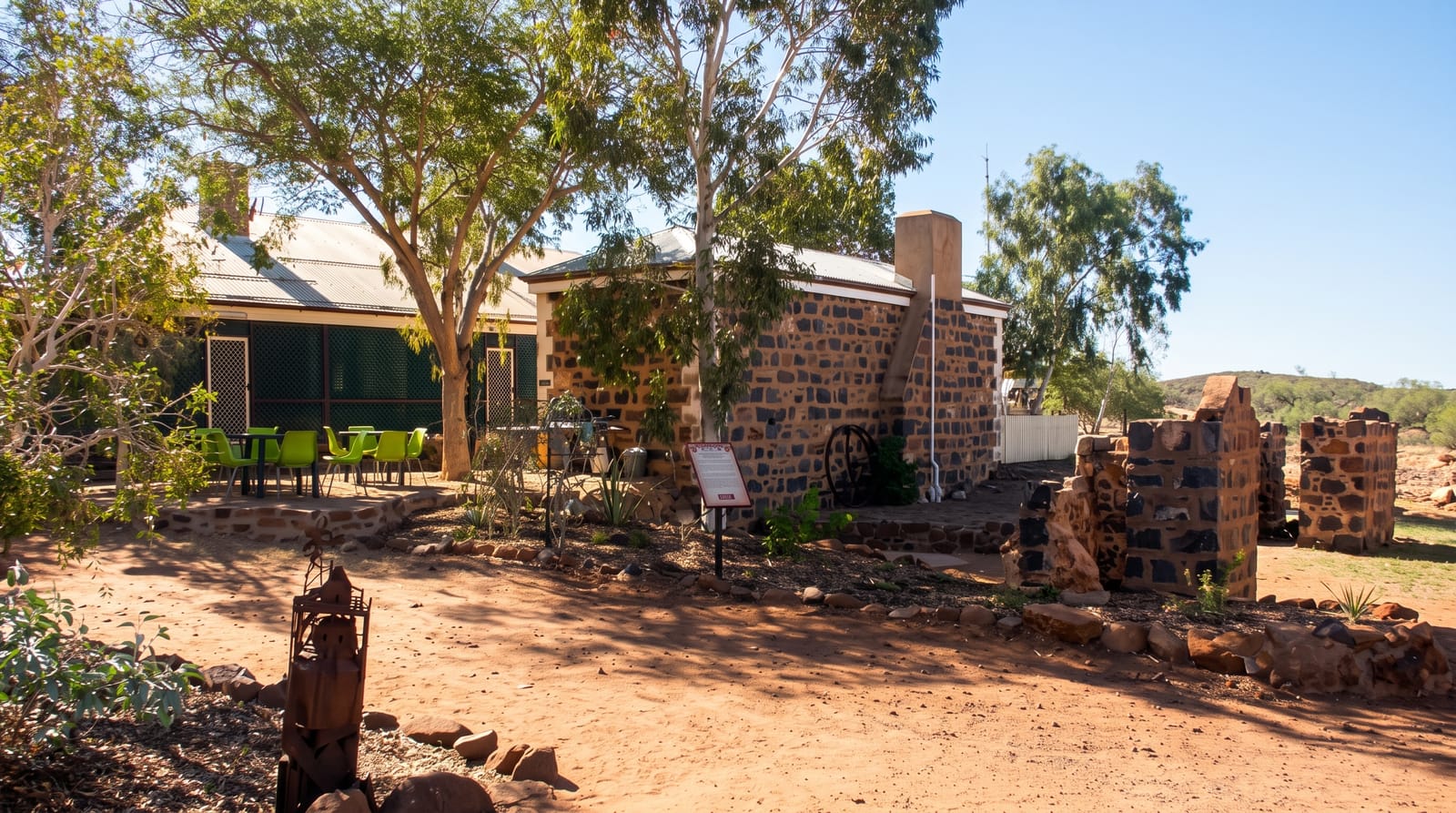
Cossack was the first port in the Pilbara, founded in 1863 and the base for a pearling fleet that worked this coast before the industry moved to Broome, with a population that included Japanese, Chinese, Malay and Aboriginal divers and workers. Silting of the harbour, cyclones and the rise of other ports emptied it, and by the 1950s it was abandoned. The stone buildings that remain, courthouse, post office, police barracks, bond store and school, were built of local stone in the 1890s and have been restored, standing in a landscape of mangroves and tidal flats with no permanent residents. The old cemetery holds separate sections reflecting the port's mixed workforce.
History
The Ngarluma, who call the place Bajinhurrba, have lived here for tens of thousands of years and left many petroglyphs, and in May 1863 Walter Padbury landed his stock at the mouth of the Harding River; the settlement was first named Tien Tsin after the barque that brought him, and took the name Cossack in 1872 from the ship of Governor Frederick Weld, becoming the first port of the North West. It was the birthplace of the Western Australian pearling industry, with up to 80 luggers by the early 1870s worked by Aboriginal divers, including women and children, and later many Malay, Japanese and Chinese workers, until a cyclone wrecked the fleet in 1881 and the industry moved to Broome in 1886. A horse-drawn tramway to Roebourne opened in 1887, but the harbour was too small for larger ships, the port moved to Point Samson in 1910, and the town was abandoned after the 1940s (Wikipedia, Cossack, Western Australia).
The main sights
- The stone buildings - restored 1890s courthouse, post office and bond store.
- The empty townsite - a settlement with no residents on the tidal coast.
- The cemetery - separate burial areas reflecting the pearling workforce.
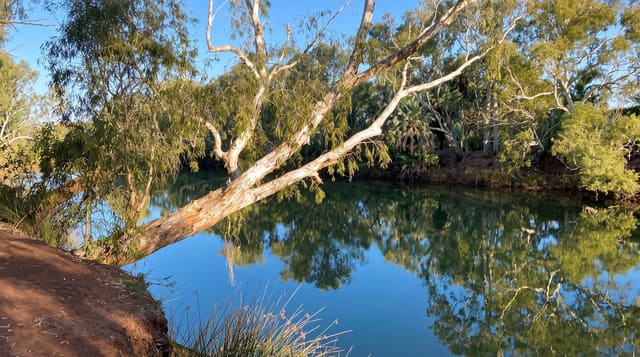
- The mangrove coast - tidal flats and creeks around the old port.
When to go
April to September; summer is extremely hot and humid with cyclone risk. Buildings keep limited opening hours and some are accessible only from outside. Early morning is best for light and heat.
Practical notes
There is nothing operating here beyond a small museum and occasional café; accommodation and food are at Point Samson or Roebourne. Summer heat is severe with no shade. Sandflies on the tidal flats are a nuisance.
Nearby
Point Samson and Roebourne are close; Karratha lies west.
Key facts
Source: Wikidata, item Q3695229, read on 18 October 2026.
What to pack for Cossack
Chosen from what this place is for. Tap a kit for the full checklist.
- Your own mask + snorkel - A well-fitting mask is the single biggest comfort upgrade underwater. Find on Amazon
- Strong insect repellent - DEET or picaridin; the jungle is where bites and disease risk are highest. Find on Amazon
- Comfortable walking shoes - Sightseeing means kilometres of pavement and cobbles daily. Find on Amazon
- Rash guard or thin wetsuit - Sun cover on the surface and warmth on longer or deeper dives. Find on Amazon
Some links on this page are Amazon affiliate links - if you buy through them we may earn a small commission at no extra cost to you.
All packing kitsPlan your trip
Where to start if Cossack is going on the list.
Booking links on this page are affiliate links - if you book through them we may earn a small commission at no extra cost to you. It never changes what we write about a place.
Opening times, ticket prices and seasonal closures change - check the official source before you go: official site.