Bourke
The river port that gave Australia the phrase back of Bourke, with paddle-steamer wharf history on the Darling.
Updated 4 September 2026
AI illustration
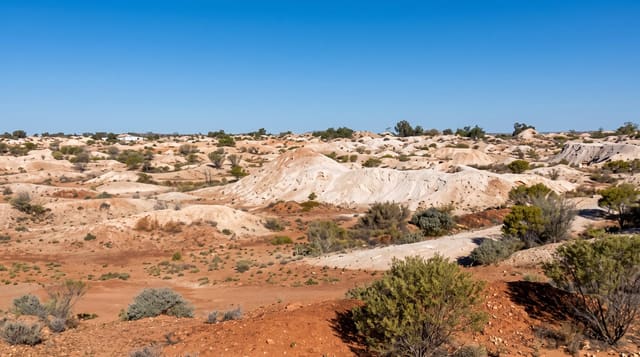
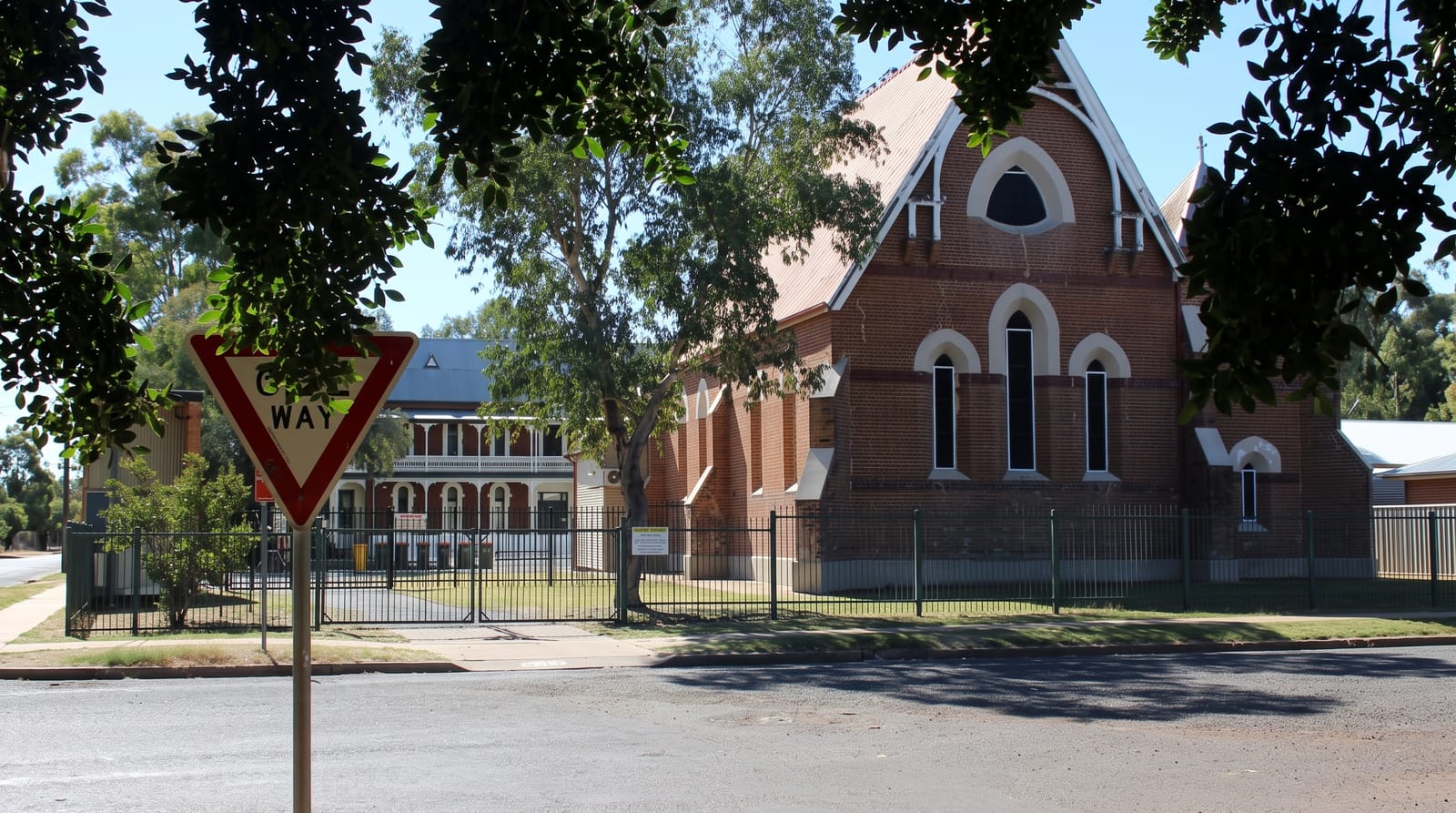
Bourke stands on the Darling River at the practical edge of settled Australia, and the expression back of Bourke, meaning the far interior, comes directly from that position. In the nineteenth century it was a major inland port: paddle steamers carried wool down the Darling to the Murray and on to South Australia, and the reconstructed wharf on the riverbank recalls a trade that moved enormous tonnages when the river ran. Henry Lawson worked here and wrote about it. The Back O' Bourke Exhibition Centre covers the region's history and characters, the historic cemetery holds the graves of Afghan cameleers, and river cruises run when water levels allow.
What to look for
- The river wharf - the reconstructed paddle-steamer wharf on the Darling.
- The exhibition centre - the region's history, writers and outback characters.
- The historic cemetery - graves including those of Afghan cameleers.
- The Darling River - the waterway that made and defined the town.
When to go
April to September; summer regularly exceeds forty degrees and is genuinely punishing. Winter days are warm and clear. River cruises depend entirely on water levels, and the Darling has run dry or near-dry in recent drought years.
Things to know
The Darling's flow is unreliable and the river can be a series of pools or empty channels. The town has visible social difficulties that surprise some visitors. Distances are long and services thin once you leave the main highway.
Nearby
Mount Oxley lookout is east; Brewarrina and its ancient fish traps lie downstream.
What to pack for Bourke
Chosen from what this place is for. Tap a kit for the full checklist.
- Quick-dry clothing - Board shorts or synthetics that shrug off spray and dry fast. Find on Amazon
- Comfortable walking shoes - Sightseeing means kilometres of pavement and cobbles daily. Find on Amazon
- Secure water shoes or reef boots - Grip on slippery launches and protection on rocky shores. Find on Amazon
- A slim anti-theft daypack - Zips that close properly; keep it in front in crowds and on transit. Find on Amazon
Some links on this page are Amazon affiliate links - if you buy through them we may earn a small commission at no extra cost to you.
All packing kitsPlan your trip
Where to start if Bourke is going on the list.
Booking links on this page are affiliate links - if you book through them we may earn a small commission at no extra cost to you. It never changes what we write about a place.
Opening times, ticket prices and seasonal closures change - check the official source before you go: official site.