Australian Museum
The country's oldest museum, holding natural history and one of the most significant collections of Pacific and Aboriginal material.
Updated 18 October 2026
AI illustration
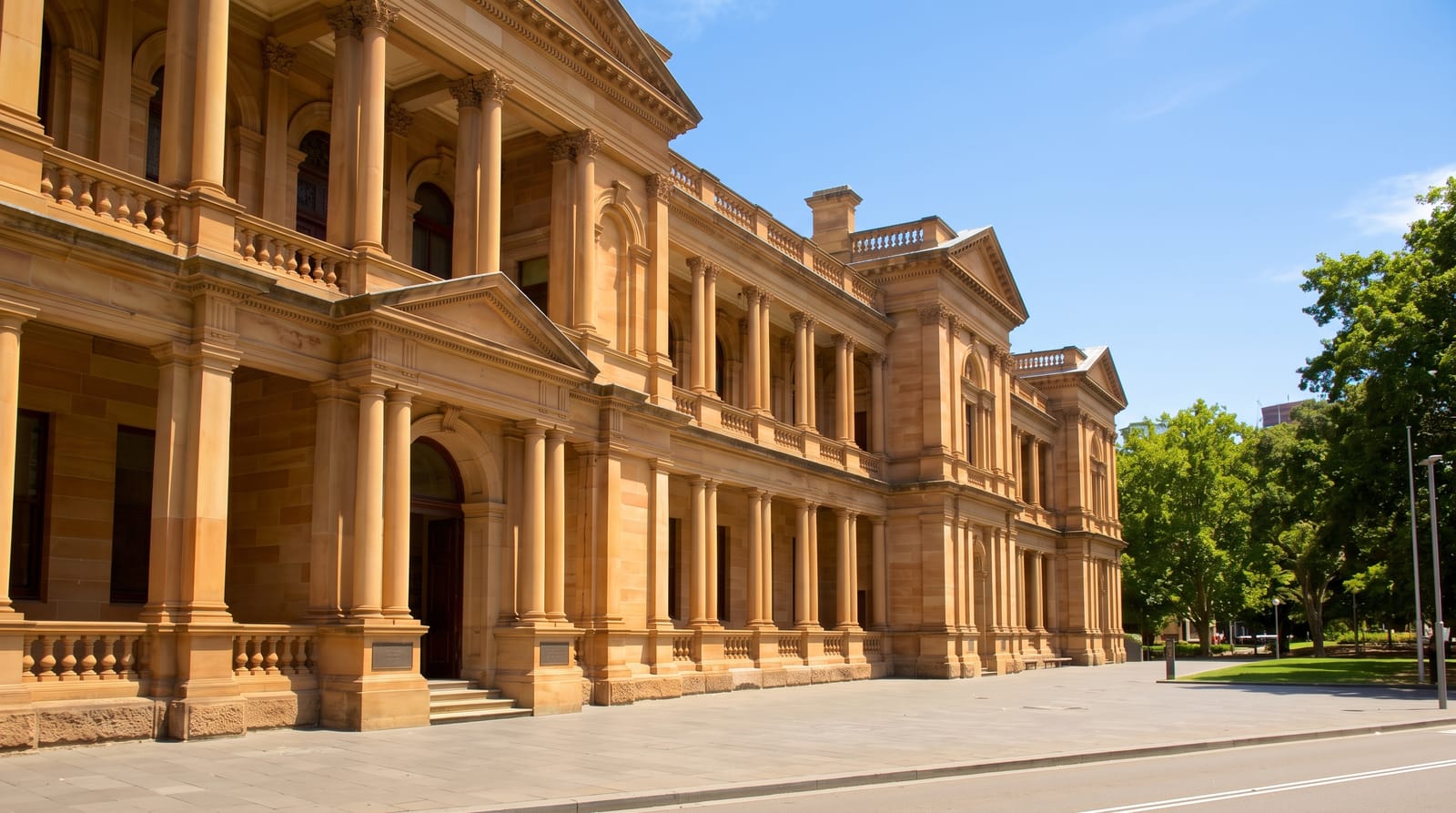
Founded in 1827, the Australian Museum is the oldest museum in the country, and its building on College Street has grown by accretion since the 1840s into a mix of sandstone galleries and modern extensions. The collections cover natural history, with skeletons, minerals, insects and a well-known dinosaur gallery, but the deeper strength is cultural: extensive holdings from Aboriginal and Torres Strait Islander communities and from across the Pacific, presented with community involvement in galleries such as Garrigarrang and Bayala Nura. A rooftop terrace opened with the recent redevelopment gives views over Hyde Park and St Mary's Cathedral. General entry has been free since 2020.
History
The Philosophical Society of Australasia planned a museum in 1821 but folded in 1822, and Alexander Macleay, the entomologist who became Colonial Secretary, lobbied for one; in 1827 Earl Bathurst, Secretary of State for the Colonies, wrote of his intention to found a public museum and granted £200 a year, making it the oldest natural history museum in Australia and the fifth oldest in the world. Its first custodian, William Holmes, appointed on 16 June 1829, accidentally shot himself while collecting at Moreton Bay in 1831, the museum, first known as the Colonial or Sydney Museum, took its present name in 1836, and the Australian Museum Act of 1853 gave it a board of trustees; Gerard Krefft established its scientific standing in the 1860s (Wikipedia, Australian Museum).
What to look for
- The First Nations galleries - Aboriginal and Torres Strait Islander collections and stories.
- The Pacific collections - one of the major holdings of Pacific material anywhere.
- The dinosaur and skeleton galleries - fossils and comparative anatomy displays.
- The rooftop terrace - views across Hyde Park and the cathedral.
When to go
Year-round; school holidays fill the family galleries and weekday mornings during term are calmest. Special exhibitions run for months at a time and are ticketed separately, sometimes requiring timed entry.
Practical notes
The building's layout is confusing, a result of two centuries of extensions. Major touring exhibitions are expensive and can be crowded even with timed tickets. Some older displays feel dated next to the redeveloped galleries.
Nearby
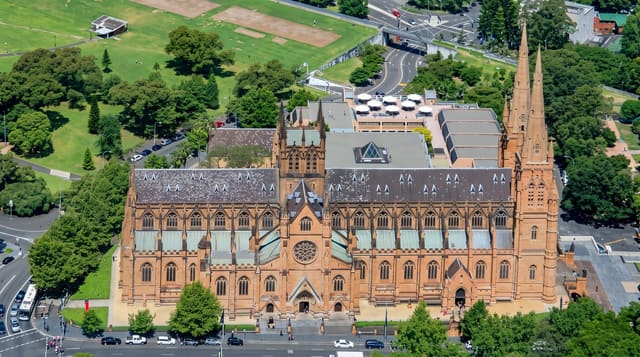
Hyde Park is across the road; St Mary's Cathedral stands at its northern end.
Key facts
Source: Wikidata, item Q769416, read on 18 October 2026.
What to pack for Australian Museum
Chosen from what this place is for. Tap a kit for the full checklist.
- Comfortable walking shoes - Sightseeing means kilometres of pavement and cobbles daily. Find on Amazon
- Modest clothing - Shoulders and knees covered - the single most common requirement. Find on Amazon
- A slim anti-theft daypack - Zips that close properly; keep it in front in crowds and on transit. Find on Amazon
- A scarf or shawl - To cover the head or shoulders on entry; women especially at mosques. Find on Amazon
Some links on this page are Amazon affiliate links - if you buy through them we may earn a small commission at no extra cost to you.
All packing kitsPlan your trip
Where to start if Australian Museum is going on the list.
Booking links on this page are affiliate links - if you book through them we may earn a small commission at no extra cost to you. It never changes what we write about a place.
Opening times, ticket prices and seasonal closures change - check the official source before you go: official site.