Khosrov Forest State Reserve
A reserve planted by a fourth-century king, protecting dry woodland and gorges southeast of Yerevan.
Updated 18 October 2026
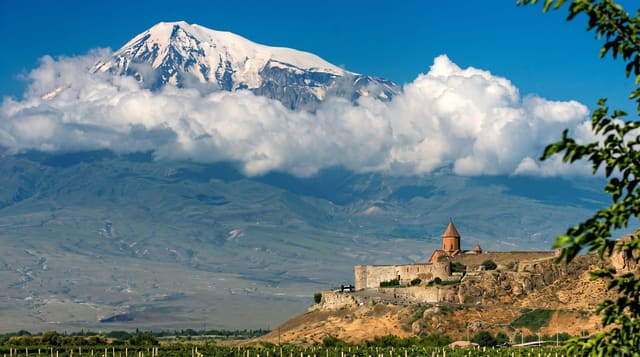
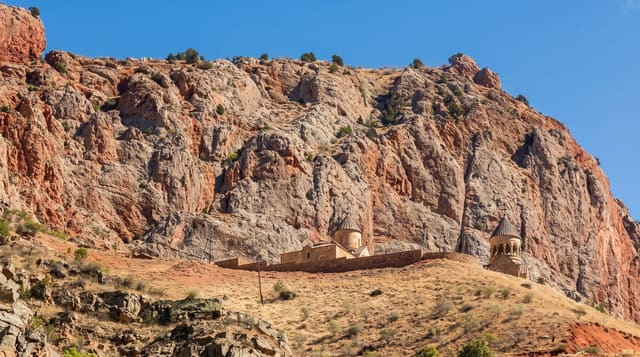
Khosrov Forest is often described as one of the oldest protected areas in the world on the strength of its origin: Armenian tradition holds that King Khosrov III had the forest planted in the fourth century as a hunting ground and windbreak, and it has been managed as protected land in some form since. What it protects now is dry juniper and oak woodland, steppe and deep gorges, with bezoar goat, bear and, on camera traps, leopard. Several medieval monasteries stand inside the boundary.
History
King Khosrov III Kotak, who ruled from 330 to 339, founded the reserve between 334 and 338, ordering trees planted on the high slopes to improve the climate around Artashat and the new city of Dvin and to protect its plants and animals, and it served as a royal hunting ground and for military exercises, later stocked with game brought from Iran. Faustus of Byzantium describes two fenced forests on the banks of the Azat, the Sacred Forest and Khosrovakert, and the area was made a state reserve in September 1958 (Wikipedia, Khosrov Forest State Reserve).
What's there
- The juniper woodland - open dry forest across the slopes, unusual in its extent.
- The gorges - deep cuts through the reserve, including the Azat and Vedi valleys.
- The monasteries - medieval churches inside the reserve boundary, reached on foot.
- The bezoar goats - wild goats on the crags, the reserve's flagship species.
When to go
April to June and September to October are the best; midsummer on the dry slopes is severely hot. Spring flowering is the peak. Permits are arranged in advance with the reserve office.
Things to know
A permit is genuinely required and rangers check. There are no marked trails and a guide is the practical arrangement. Water must be carried; the reserve is dry and there is very little shade.
Nearby
Garni and its temple are at the northern edge, and Vedi is on the plain to the south.
Key facts
Source: Wikidata, item Q1076666, read on 18 October 2026.
What to pack for Khosrov Forest State Reserve
Chosen from what this place is for. Tap a kit for the full checklist.
- Broken-in walking shoes or boots - Grip and ankle support matter more than looks; never hike in brand-new boots. Find on Amazon
- Modest clothing - Shoulders and knees covered - the single most common requirement. Find on Amazon
- Layers + a waterproof shell - Mountain weather turns fast; a packable rain jacket saves the day. Find on Amazon
- A scarf or shawl - To cover the head or shoulders on entry; women especially at mosques. Find on Amazon
Some links on this page are Amazon affiliate links - if you buy through them we may earn a small commission at no extra cost to you.
All packing kitsPlan your trip
Where to start if Khosrov Forest State Reserve is going on the list.
Booking links on this page are affiliate links - if you book through them we may earn a small commission at no extra cost to you. It never changes what we write about a place.
Opening times, ticket prices and seasonal closures change - check the official source before you go: official site.