Harichavank
A monastery in Shirak with a seventh-century church, a thirteenth-century addition and a chapel on a detached rock.
Updated 18 October 2026
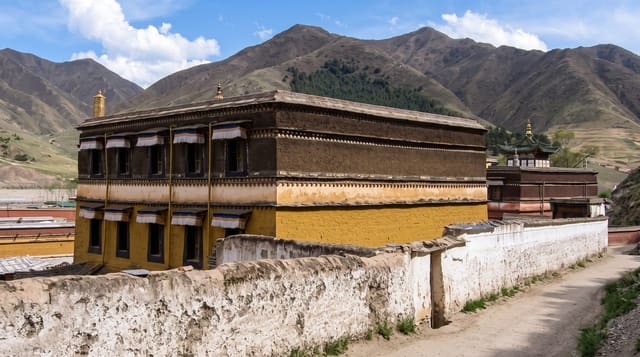
Harichavank has fabric from the seventh century onwards, with the small early church of Surb Grigor, a larger domed church of 1201 and a gavit joining them, and it served as a summer residence of the catholicos in the nineteenth century, which is why there are extra buildings around the yard. The best-known feature is a chapel on a spike of rock that has separated from the cliff, reached across a gap, which is a striking piece of siting.
History
Excavations in 1966 showed that Harich already existed in the 2nd century BC as a well-known fortress town, and the oldest part of the monastery, the church of St Gregory the Enlightener in the Mastara style, dates probably from the 7th century. The Kipchaks held and altered it from 1120 to 1191, and after the Zakarians restored Armenian rule, Zakare Zakarian, who had bought Harich from the Pahlavuni family, built the cathedral of the Holy Mother of God, completed in 1201, with a gavit added before 1219 by his vassal Vahram; the monastery was famous for its school and scriptorium (Wikipedia, Harich Monastery).
The main sights
- The seventh-century church - Surb Grigor, the oldest surviving part of the complex.
- The 1201 church - the larger domed building with carved reliefs on the drum.
- The rock chapel - a chapel on a detached pillar of rock beside the monastery.
- The gavit - the vaulted hall linking the two churches.
When to go
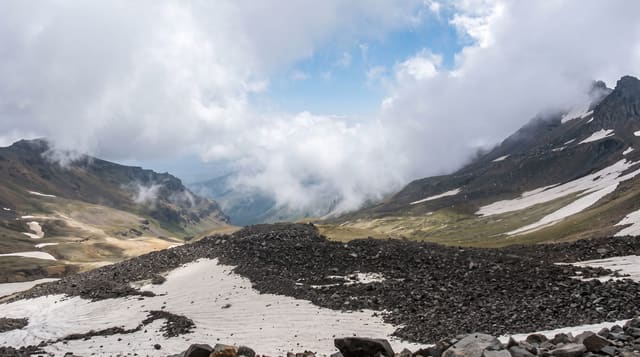
May to October is the season; the Shirak plateau is cold and snowy in winter. Spring and early summer are the greenest. The complex is generally open.
Before you go
The rock chapel is viewed from across a gap rather than entered. Nineteenth-century additions clutter the medieval core. The village has no facilities.
Nearby
Gyumri is northwest, and Artik is nearby on the Shirak plateau.
Key facts
Source: Wikidata, item Q2671727, read on 18 October 2026.
What to pack for Harichavank
Chosen from what this place is for. Tap a kit for the full checklist.
- Comfortable walking shoes - Sightseeing means kilometres of pavement and cobbles daily. Find on Amazon
- Modest clothing - Shoulders and knees covered - the single most common requirement. Find on Amazon
- A slim anti-theft daypack - Zips that close properly; keep it in front in crowds and on transit. Find on Amazon
- A scarf or shawl - To cover the head or shoulders on entry; women especially at mosques. Find on Amazon
Some links on this page are Amazon affiliate links - if you buy through them we may earn a small commission at no extra cost to you.
All packing kitsPlan your trip
Where to start if Harichavank is going on the list.
Booking links on this page are affiliate links - if you book through them we may earn a small commission at no extra cost to you. It never changes what we write about a place.
Opening times, ticket prices and seasonal closures change - check the official source before you go: official site.