Villa Gesell
A relaxed Atlantic resort built on dunes that its founder spent decades planting, with a pedestrian avenue and a young summer crowd.
Updated 18 October 2026
AI illustration
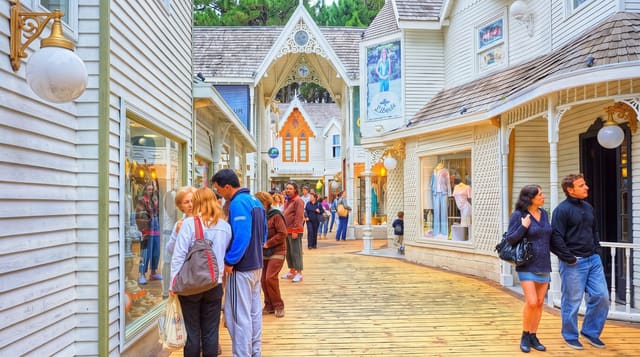
Villa Gesell exists because of one man's obsession: Carlos Idaho Gesell bought a stretch of shifting dunes in 1931 intending to grow timber for furniture, spent years failing to fix the sand, and eventually succeeded with acacias, pines and marram grass, then began selling plots to holidaymakers in the 1940s. The town that grew keeps a more informal, less polished feel than its wealthier neighbours: Avenida 3 is a long strip of shops, arcades and ice cream parlours that fills on summer nights, the beach is wide and busy, and the northern and southern ends have quieter sand and dune areas. His original house is preserved as a museum among the first trees he planted.
History
Carlos Idaho Gesell, son of the economist Silvio Gesell, wanted to grow pines near Mar del Plata for his timber business, and in 1931, on the advice of the landowner Héctor Guerrero and after checking for groundwater, he bought 16.48 square kilometres of dunes along 10 kilometres of coast, built himself a house in 1932, now a museum, and began planting. Salt winds tore at the young trees, and the German agronomist Carlos Bodesheim, hired in 1934, found no answer, so Gesell anchored the sand with hardy grasses, planted deep-rooted trees, and from 1938 used the Australian Acacia longifolia, which stood up to the wind and sheltered the pines (Wikipedia, Villa Gesell).
Highlights
- Avenida 3 - the long commercial strip that fills on summer evenings.
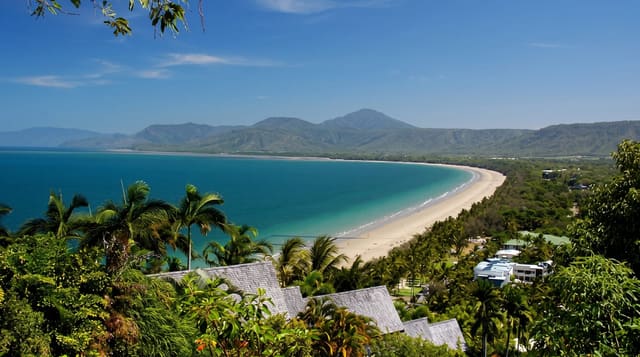
- The beach - wide Atlantic sand with services and busy central sections.
- The founder's house museum - Gesell's home among his first planted trees.
- The dunes - open sand at the northern and southern edges of town.
When to go
December to March; January is the peak, loud and crowded with a young crowd, while December and late February are calmer. Winter is quiet and windy, with the beach empty and many businesses closed.
Things to know
The town is built for summer volume and can feel scruffy and commercial, especially along the main strip. Nights are noisy in January. The Atlantic is cold, and wind picks up sand on exposed beaches.
Nearby
Cariló and Pinamar lie north; Mar del Plata is south along the coast.
Key facts
Source: Wikidata, item Q991574, read on 18 October 2026.
What to pack for Villa Gesell
Chosen from what this place is for. Tap a kit for the full checklist.
- Reef-safe sunscreen - High SPF that will not bleach the coral you are swimming over. Find on Amazon
- Loose, light, long clothing - Covering up beats bare skin in the desert - and locals dress this way for a reason. Find on Amazon
- Comfortable walking shoes - Sightseeing means kilometres of pavement and cobbles daily. Find on Amazon
- Quick-dry towel - A microfibre towel packs small and dries in minutes. Find on Amazon
Some links on this page are Amazon affiliate links - if you buy through them we may earn a small commission at no extra cost to you.
All packing kitsPlan your trip
Where to start if Villa Gesell is going on the list.
Booking links on this page are affiliate links - if you book through them we may earn a small commission at no extra cost to you. It never changes what we write about a place.
Opening times, ticket prices and seasonal closures change - check the official source before you go: official site.