Villa El Chocón
A dam village on red cliffs above a lake, holding the bones of Giganotosaurus, one of the largest predatory dinosaurs known.
Updated 18 October 2026
AI illustration
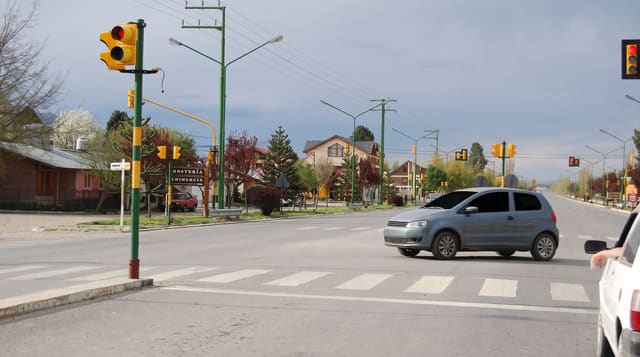
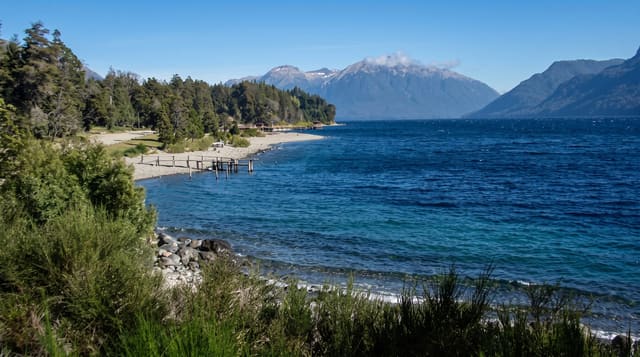
Villa El Chocón was built in the 1960s for the workers on the Ramos Mexía dam, and it might have stayed an ordinary company town had a local mechanic not found bones in the badlands nearby in 1993. They belonged to Giganotosaurus carolinii, a predatory dinosaur estimated at around thirteen metres and comparable in size to Tyrannosaurus, and the Ernesto Bachmann museum in the village now displays its remains along with other finds from a region that has produced some of the most important dinosaur discoveries in the world. Outside, the red sandstone shore of the reservoir holds fossil footprints exposed along the water's edge, reachable on a short walk, and the cliffs and blue lake make an odd, striking landscape.
History
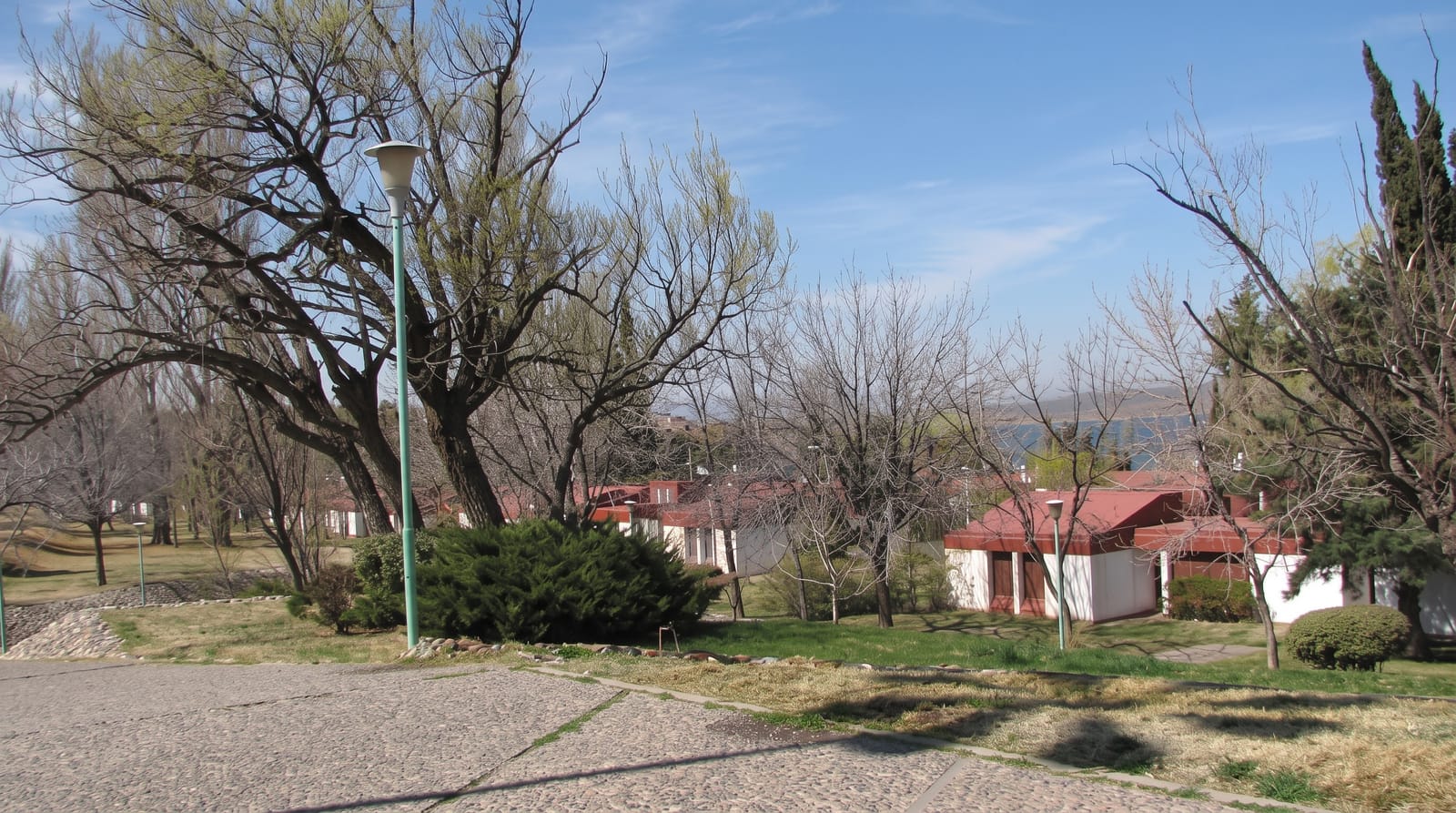
In 1967 the national government set up the company Hidronor to harness the Limay and Neuquén rivers, and late in 1968 work began on the Chocón-Cerros Colorados complex, called the work of the century, in semi-arid country where a few people raised goats and sheep. The village grew with the dam, the reservoir and the power station, with roads, houses, a church, a town hall and a school, and between 1968 and 1972 workers from other provinces and abroad took its population above 5,000; the first turbine began working in December 1972, and the works ended in 1977 with the sixth generator (Wikipedia, Villa El Chocón).
What to look for
- The Giganotosaurus - the giant predator's remains in the village museum.
- The footprint site - dinosaur tracks in red rock along the lakeshore.
- The red cliffs and lake - the reservoir shore and eroded badlands.
- The dam village - the planned 1960s settlement built for the works.
When to go
March to November for comfortable walking; summer here is very hot and exposed, with no shade at the footprint site. Wind is constant in this part of Neuquén. The museum keeps regular hours and closes on some holidays.
Practical notes
The village is small and the visit short, essentially a museum and a lakeside walk. Interpretation is mostly in Spanish. The footprints are weathered and take some looking to make out.
Nearby
Neuquén city lies northeast; Plaza Huincul and its own dinosaur museum are west.
What to pack for Villa El Chocón
Chosen from what this place is for. Tap a kit for the full checklist.
- Loose, light, long clothing - Covering up beats bare skin in the desert - and locals dress this way for a reason. Find on Amazon
- Comfortable walking shoes - Sightseeing means kilometres of pavement and cobbles daily. Find on Amazon
- A wide-brim hat + sunglasses - Shade for your face and eyes where there is none overhead. Find on Amazon
- A slim anti-theft daypack - Zips that close properly; keep it in front in crowds and on transit. Find on Amazon
Some links on this page are Amazon affiliate links - if you buy through them we may earn a small commission at no extra cost to you.
All packing kitsPlan your trip
Where to start if Villa El Chocón is going on the list.
Booking links on this page are affiliate links - if you book through them we may earn a small commission at no extra cost to you. It never changes what we write about a place.
Opening times, ticket prices and seasonal closures change - check the official source before you go: official site.