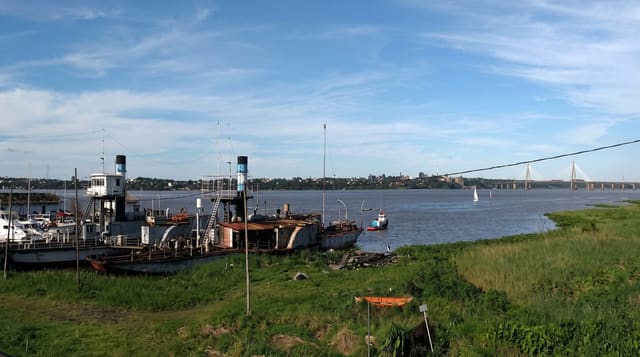
Santiago del Estero
The oldest continuously settled city in Argentina, founded in 1553, and the heartland of chacarera folk music.
Updated 18 October 2026
AI illustration
Santiago del Estero was founded in 1553 and has been inhabited ever since, making it the oldest surviving Spanish settlement in what is now Argentina, and it is known as the mother of cities because expeditions from here founded Tucumán, Córdoba and others. Little colonial fabric survives the centuries of flood, earthquake and rebuilding, but the city keeps a distinct character: it is hot, unhurried and deeply musical, the birthplace of the chacarera, the fast, danced rhythm of the northwest, played in peñas across the city and celebrated in a national festival. Quichua, a local descendant of the Andean language, is still spoken in the province. The cathedral, the riverside park and a strong archaeological museum fill an easy day.
History
After exploring expeditions from Chile from 1543, Francisco de Aguirre founded Santiago del Estero del Nuevo Maestrazgo on 25 July 1553, though some historians date its true founding to 1550, and as the oldest city in Argentina it is called the mother of cities. Under the Viceroyalty of the Río de la Plata it was the capital of the intendancy of San Miguel de Tucumán and the first seat of its bishop, both later moved, to Salta and Córdoba, and in the 19th century British timber companies came for the quebracho of its dry forest and cleared much of it (Wikipedia, Santiago del Estero).
What's there
- The cathedral and plaza - the city's centre, rebuilt after floods and quakes.
- The peñas - venues where chacarera is played and danced most nights.
- The archaeological museum - one of the country's best pre-Hispanic collections.
- The riverside park - the Dulce river promenade and green space.
When to go
April to October, when the heat eases; summer temperatures here are among the highest in the country. The chacarera and folklore festivals fall mostly in the cooler months. Evenings are when the city comes alive.
Things to know
The city has few standing colonial buildings despite its age, which surprises visitors expecting a historic centre. Summer heat is extreme and daytime activity stops. The main draw, live music, requires an evening and some Spanish to enjoy fully.
Nearby
Termas de Río Hondo lies northwest; Tucumán is north on the RN9.
Key facts
Source: Wikidata, item Q44253, read on 18 October 2026.
What to pack for Santiago del Estero
Chosen from what this place is for. Tap a kit for the full checklist.
- Comfortable walking shoes - Sightseeing means kilometres of pavement and cobbles daily. Find on Amazon
- Modest clothing - Shoulders and knees covered - the single most common requirement. Find on Amazon
- Shelter suited to the place - Tent, tarp or hut booking - match it to the terrain and rules. Find on Amazon
- A slim anti-theft daypack - Zips that close properly; keep it in front in crowds and on transit. Find on Amazon
Some links on this page are Amazon affiliate links - if you buy through them we may earn a small commission at no extra cost to you.
All packing kitsPlan your trip
Where to start if Santiago del Estero is going on the list.
Booking links on this page are affiliate links - if you book through them we may earn a small commission at no extra cost to you. It never changes what we write about a place.
Opening times, ticket prices and seasonal closures change - check the official source before you go: official site.