Gaiman
The heart of Welsh Patagonia, a brick-built village of chapels and tea houses where the language is still sung.
Updated 4 September 2026
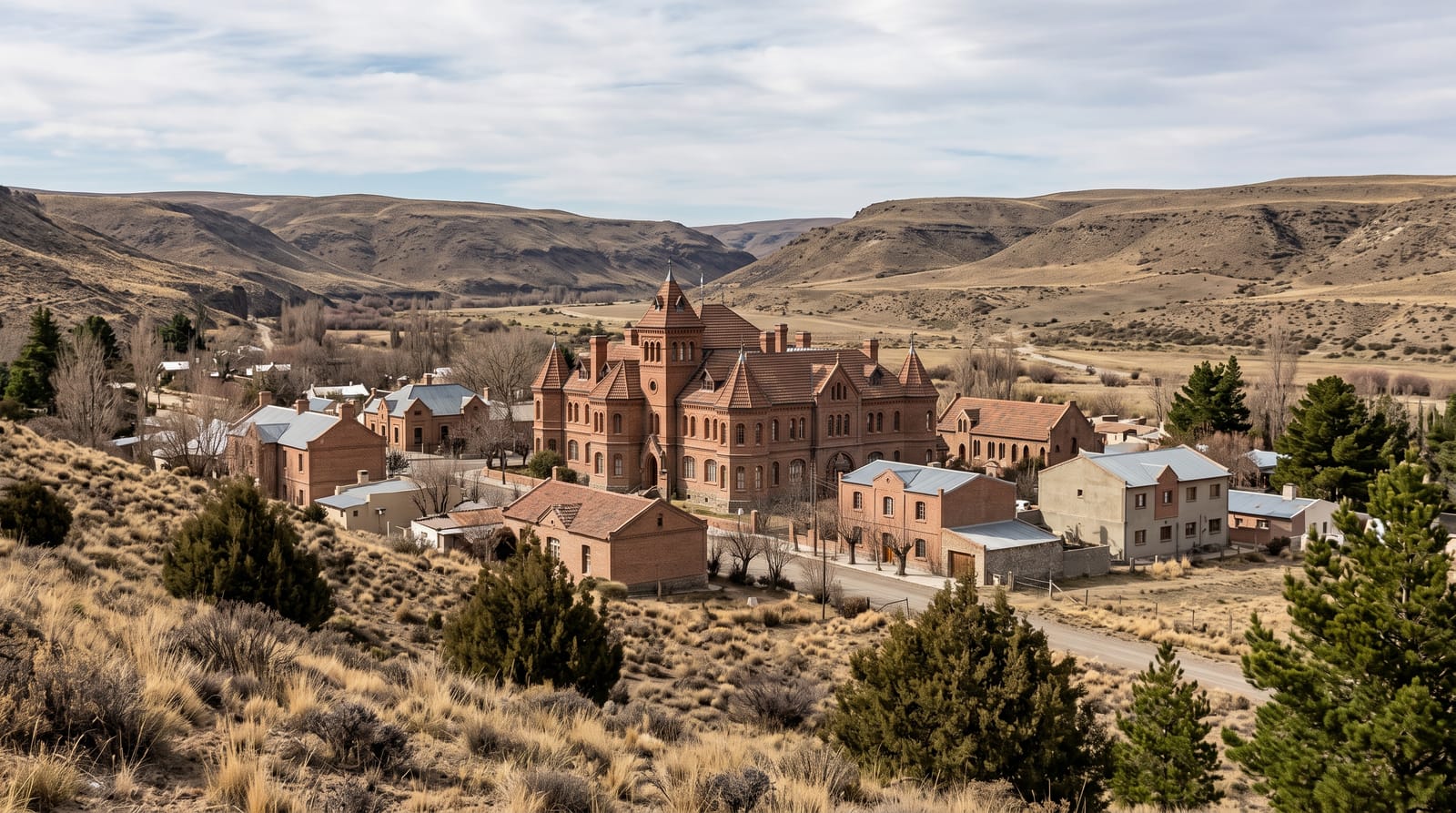
AI illustration
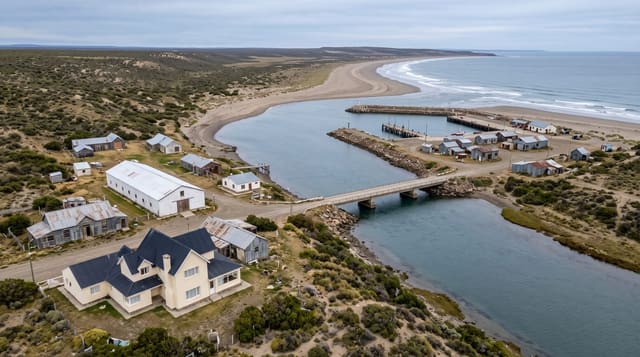
Gaiman was founded in 1874 by Welsh settlers who had arrived in Patagonia a decade earlier and pushed up the Chubut valley to irrigate it, and it remains the most visibly Welsh place in Argentina: brick houses and chapels, street names in Welsh, a small regional museum in the old railway station, and an annual eisteddfod at which poetry and choral singing are performed in Welsh and Spanish. Visitors mostly come for tea. Several casas de té serve the same ritual, a pot of strong tea with an overwhelming spread of bread and butter, scones, cream, jams and cakes including the dark, dense torta negra galesa, in front rooms furnished as they were a century ago.
Highlights
- The tea houses - Welsh tea served with a large spread and black cake.
- The chapels - nineteenth-century Welsh chapels still standing and in use.
- The regional museum - settler history in the old railway station.
- The irrigated valley - the green strip of poplars and farmland along the Chubut.
When to go
Year-round; tea houses open most afternoons and are busiest in summer and at weekends. The eisteddfod in spring and the youth festival bring Welsh singing and fill the village. Booking a table matters in January.
What to expect
Tea is an afternoon institution with set hours, usually opening around two or three, and the portions are enormous and expensive for what they are. The village is small and can be seen in a couple of hours. The Welsh identity is genuine but heavily packaged for visitors.
Nearby
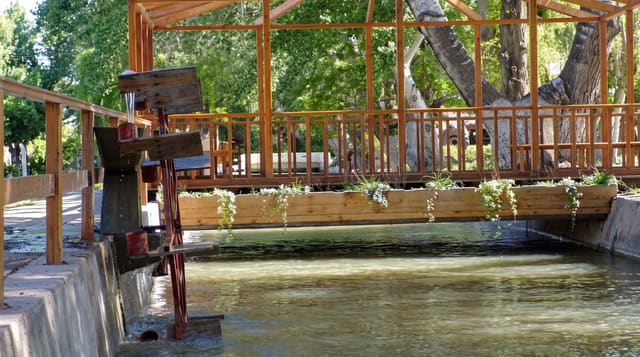
Trelew and its dinosaur museum lie east; Dolavon and its waterwheels are further up the valley.
Key facts
Source: Wikidata, item Q106055, read on 18 October 2026.
What to pack for Gaiman
Chosen from what this place is for. Tap a kit for the full checklist.
- A reusable bag or container - For market produce and cutting down on packaging. Find on Amazon
- Wet wipes + hand sanitiser - Street food and washbasins do not always go together. Find on Amazon
Some links on this page are Amazon affiliate links - if you buy through them we may earn a small commission at no extra cost to you.
All packing kitsPlan your trip
Where to start if Gaiman is going on the list.
Booking links on this page are affiliate links - if you book through them we may earn a small commission at no extra cost to you. It never changes what we write about a place.
Opening times, ticket prices and seasonal closures change - check the official source before you go: official site.