Chaco National Park
One of Argentina's oldest national parks, protecting quebracho forest, palm savanna and lagoons in the humid eastern Chaco.
Updated 12 October 2026
AI illustration
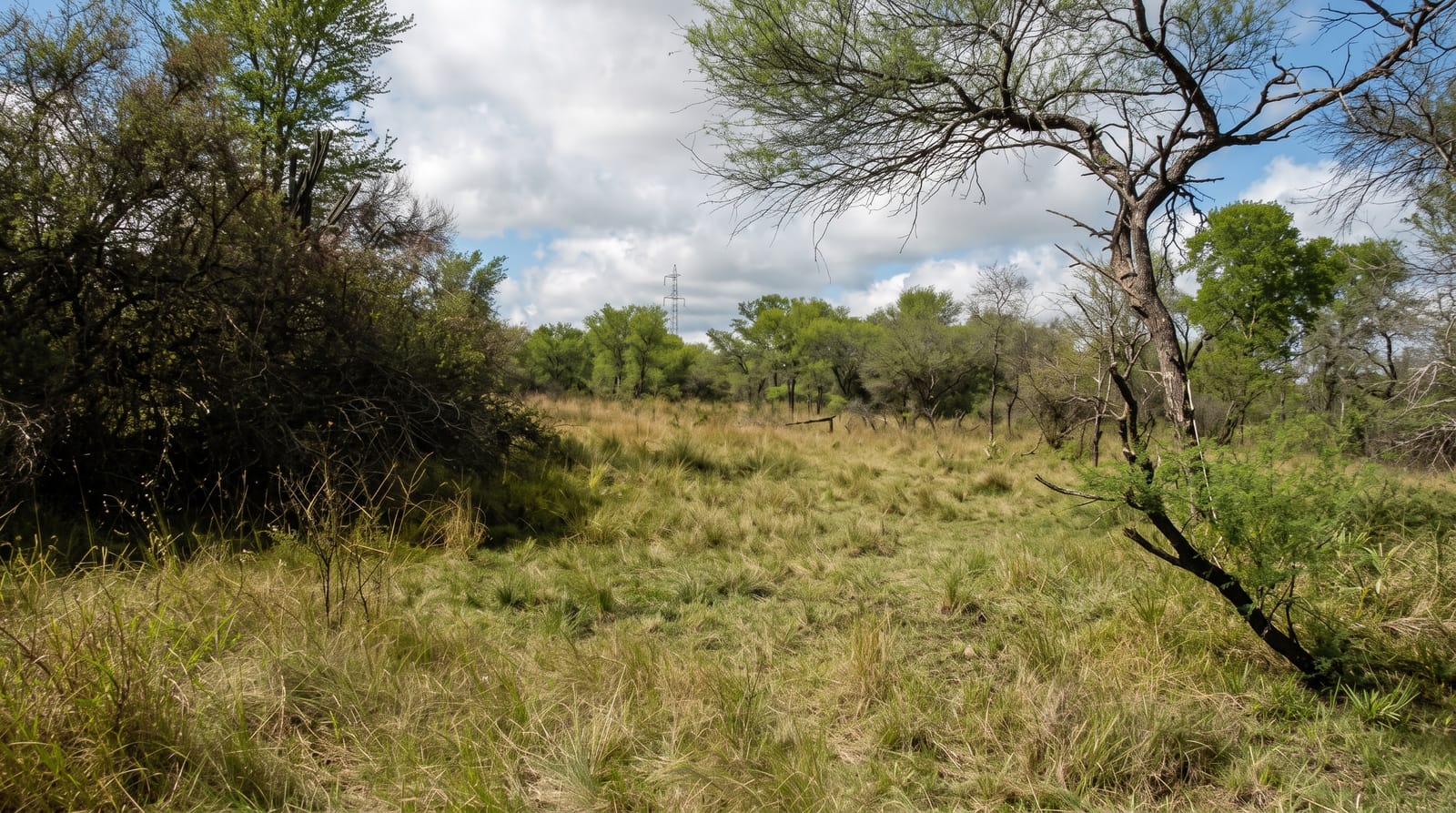
Chaco National Park was created in 1954 to save a sample of the eastern Chaco before logging took it all, and it protects a mosaic that shows what the region looked like: dense stands of red quebracho, the ironhard tree felled across the region for tannin and railway sleepers, along with caranday palm savanna, riverine forest and lagoons fringed with reeds. Wildlife is easier to see here than in the drier west, with howler monkeys, capybaras, caimans, foxes and more than three hundred bird species including storks, kingfishers and the striking toco toucan. Trails run from the campsite to lagoon viewpoints and through the forest, and a wooden tower gives a view across the canopy at Laguna Carpincho.
The landscape
- The quebracho forest - the hardwood stands the park was created to protect.
- The lagoons - reed-fringed wetlands with caimans and waterbirds.
- The observation tower - the wooden platform over the canopy and lagoon.
- The wildlife - howler monkeys, capybaras and abundant birdlife.
When to go
May to September for cooler, drier conditions and fewer mosquitoes; summer is hot, humid and wet, and the access road can be difficult. Early morning is best for wildlife and howler calls. Rain closes some trails.
Before you go
Facilities amount to a campsite and basic sanitary block; there is no shop or restaurant, so everything must be brought. The unpaved final road is poor after rain. Mosquitoes and ticks are a constant nuisance in warm months.
Nearby
Resistencia lies southeast; the Impenetrable park is far to the northwest.
Key facts
Source: Wikidata, item Q611989, read on 18 October 2026.
What to pack for Chaco National Park
Chosen from what this place is for. Tap a kit for the full checklist.
- Broken-in walking shoes or boots - Grip and ankle support matter more than looks; never hike in brand-new boots. Find on Amazon
- Reef-safe sunscreen - High SPF that will not bleach the coral you are swimming over. Find on Amazon
- Binoculars - The single best wildlife tool - even a compact pair transforms a sighting. Find on Amazon
- Strong insect repellent - DEET or picaridin; the jungle is where bites and disease risk are highest. Find on Amazon
Some links on this page are Amazon affiliate links - if you buy through them we may earn a small commission at no extra cost to you.
All packing kitsPlan your trip
Where to start if Chaco National Park is going on the list.
Booking links on this page are affiliate links - if you book through them we may earn a small commission at no extra cost to you. It never changes what we write about a place.
Opening times, ticket prices and seasonal closures change - check the official source before you go: official site.