The Casbah of Algiers
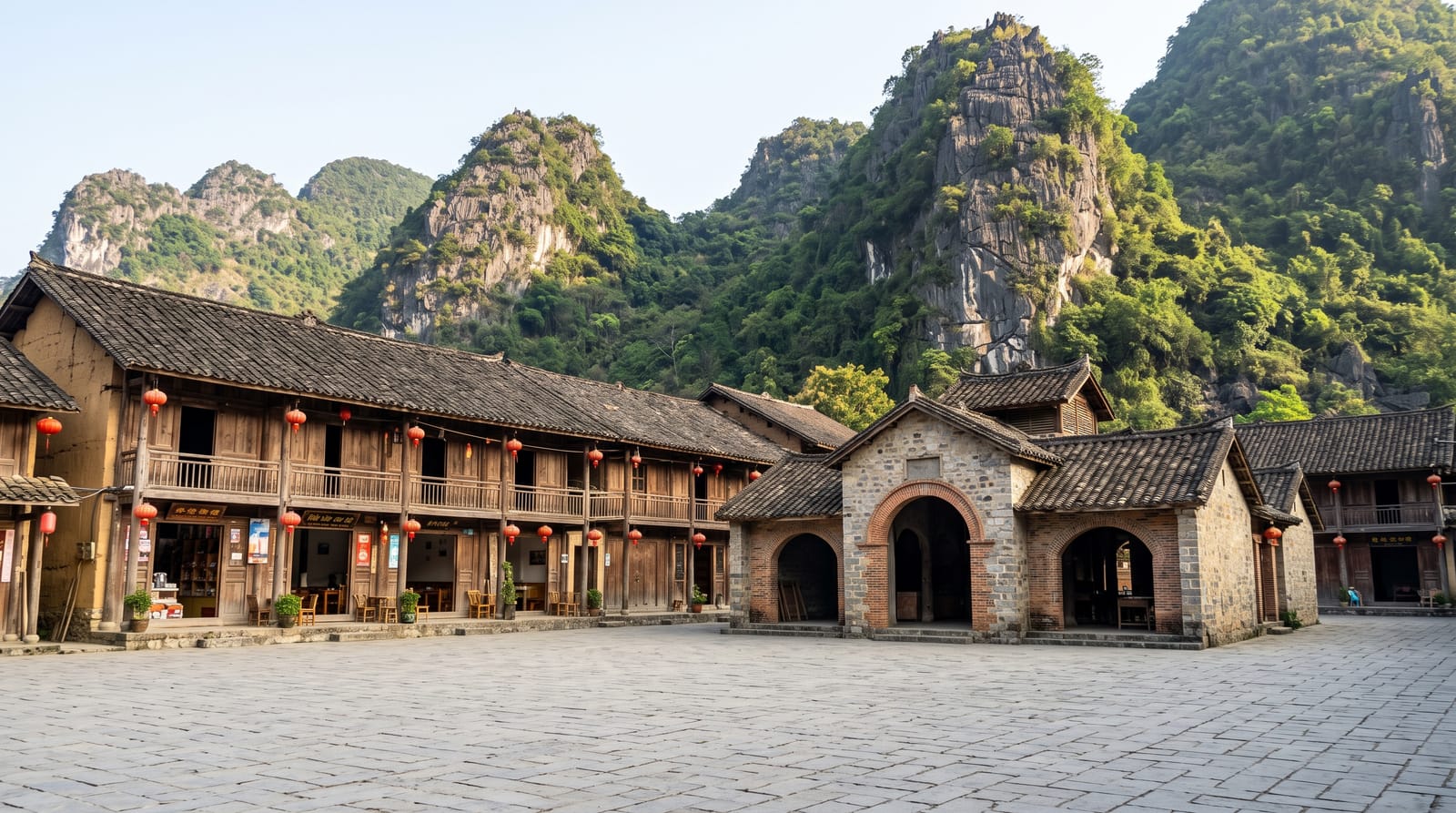
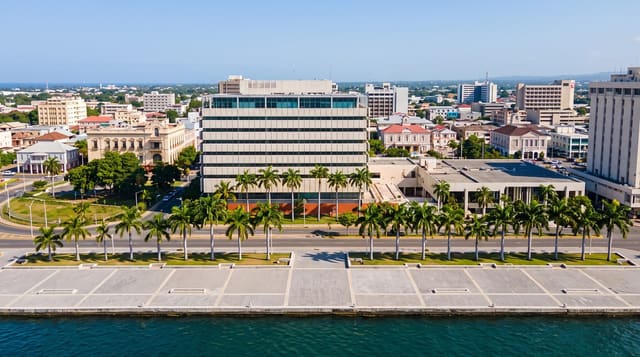
A white citadel above the sea - the historic Casbah of Algiers, a UNESCO World Heritage labyrinth of steep whitewashed lanes, Ottoman palaces and hidden mosques cascading down a hillside to the Mediterranean, the atmospheric soul of the capital.
Updated 18 October 2026

AI illustration
UNESCO World Heritage
The Casbah of Algiers, tumbling down a steep hillside to the Mediterranean, is the ancient heart and soul of the Algerian capital, a UNESCO World Heritage site of extraordinary atmosphere. This dense labyrinth of narrow, stepped white lanes, built on the site of a Phoenician trading post, reached its character under Ottoman rule, when it filled with mosques, palaces, hammams and tightly packed traditional houses spilling over the slopes. Wandering its shadowy alleys, past carved doorways, hidden courtyards, historic mosques and sudden glimpses of the sparkling bay below, is to step into centuries of Mediterranean and North African history in one of the region's most storied old quarters.
History
The Phoenician trading post of Ikosim, later the Roman city of Icosium, stood here, though its founding date is uncertain, and on its ruins Bologhine ibn Ziri built the medina in the 10th century. The citadel above it was begun in 1516 by Aruj Barbarossa and finished in 1592, and the town lived through earthquakes in 1716 and 1755. After the French occupation of 1830 much of the lower Casbah was pulled down, partly to make way for today's Place des Martyrs, and in 1957 the Casbah was the main battleground of the Battle of Algiers. UNESCO inscribed it as a World Heritage Site in 1992, and the citadel is now undergoing restoration (Wikipedia, Casbah of Algiers).
What's there
- The stepped lanes - the steep white labyrinth of alleys.
- The Ottoman palaces - the historic palaces and grand houses.
- The mosques and hammams - the hidden mosques and old baths.
- The bay views - the sudden glimpses of the Mediterranean below.
When to go
Spring and autumn, roughly March to June and September to November, are the most pleasant for exploring the steep lanes in mild Mediterranean weather, avoiding the summer heat; the sea light is lovely year-round. The shaded alleys offer welcome cool even on warm days.
Good to know
The Casbah is a steep, dense and lived-in warren where lanes twist and climb, so a local guide greatly helps with navigation and brings its history alive, and parts are undergoing restoration. As the atmospheric white heart of Algiers, a UNESCO World Heritage labyrinth of Ottoman lanes cascading to the Mediterranean, though, the Casbah is a genuinely captivating and storied place.
Nearby
The waterfront, the grand boulevards and the museums of Algiers lie below.
Key facts
Source: Wikidata, item Q662102, read on 18 October 2026.
What to pack for The Casbah of Algiers
Chosen from what this place is for. Tap a kit for the full checklist.
- Comfortable walking shoes - Sightseeing means kilometres of pavement and cobbles daily. Find on Amazon
- Modest clothing - Shoulders and knees covered - the single most common requirement. Find on Amazon
- A slim anti-theft daypack - Zips that close properly; keep it in front in crowds and on transit. Find on Amazon
- A scarf or shawl - To cover the head or shoulders on entry; women especially at mosques. Find on Amazon
Some links on this page are Amazon affiliate links - if you buy through them we may earn a small commission at no extra cost to you.
All packing kitsPlan your trip
Where to start if The Casbah of Algiers is going on the list.
Booking links on this page are affiliate links - if you book through them we may earn a small commission at no extra cost to you. It never changes what we write about a place.
Opening times, ticket prices and seasonal closures change - check the official source before you go: official site.