Gjirokaster
The stone city - a striking UNESCO Ottoman town of grey stone houses with distinctive roofs climbing a mountainside beneath a mighty castle, a well-preserved museum of southern Albanian heritage.
Updated 18 October 2026

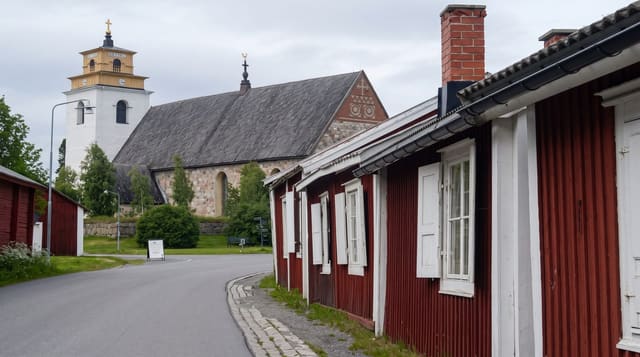
AI illustration
UNESCO World Heritage
Gjirokaster, in the mountains of southern Albania, is a striking and well-preserved Ottoman town, a UNESCO site known as the stone city for its distinctive grey stone houses with their characteristic silver stone-slab roofs, climbing steeply up the mountainside. Dominated by a mighty hilltop castle with sweeping views and a collection of old cannons, its cobbled bazaar, fortified tower-houses and museums preserve the character of a wealthy Ottoman trading town.
History
The town first appears, as Argyrokastro, in the writings of John VI Kantakouzenos in 1336, when it belonged to the Despotate of Epirus. By the end of that century the Zenebishi clan held it, and Gjon Zenebishi made it his capital; after his death in 1417 the Ottomans took the town early in 1418, and by 1419 it was the seat of the Sanjak of Albania. In 1811 it passed into Ali Pasha's Pashalik of Yanina, and Ali Pasha is credited with additions to the castle in the 19th century. After the Second World War it was made a museum town, and its historic core was inscribed as a World Heritage Site in 2005, fifteen years after it was first nominated (Wikipedia, Gjirokastër).
The main sights
- Gjirokaster Castle - the mighty hilltop fortress and its views.
- The stone houses - the grey Ottoman tower-houses with slab roofs.
- The old bazaar - the cobbled market street of crafts.
- The Ethnographic Museum - the grand old house museum.
When to go
Spring and autumn for the mildest weather; the town is atmospheric year-round, and the mountain setting makes it cooler than the coast. It pairs well with the nearby ruins of Butrint and the Albanian Riviera for a southern loop.
Before you go
The steep, uneven cobbled streets are genuinely hard on the feet and difficult to drive. It is a few hours from Tirana in the south, best combined with the coast and Butrint. As with all Albania, infrastructure is still developing, though it is affordable and welcoming. Its distinctive stone architecture, mighty castle and Ottoman heritage, though, are well worth the trip.
Nearby
The ruins of Butrint, the Blue Eye spring and the Albanian Riviera are within reach.
Key facts
Source: Wikidata, item Q173690, read on 18 October 2026.
What to pack for Gjirokaster
Chosen from what this place is for. Tap a kit for the full checklist.
- Comfortable walking shoes - Sightseeing means kilometres of pavement and cobbles daily. Find on Amazon
- A slim anti-theft daypack - Zips that close properly; keep it in front in crowds and on transit. Find on Amazon
- A refillable water bottle - Many cities have public fountains; save money and plastic. Find on Amazon
- A light layer + compact umbrella - For museum air-con and a sudden shower. Find on Amazon
Some links on this page are Amazon affiliate links - if you buy through them we may earn a small commission at no extra cost to you.
All packing kitsPlan your trip
Where to start if Gjirokaster is going on the list.
Booking links on this page are affiliate links - if you book through them we may earn a small commission at no extra cost to you. It never changes what we write about a place.
Opening times, ticket prices and seasonal closures change - check the official source before you go: official site.