The Vatican Museums
One of the greatest museums on earth - the vast papal collections amassed over centuries, of ancient sculpture, Egyptian antiquities, tapestries, maps and Raphael's frescoed rooms, a treasure house of art and history culminating in the Sistine Chapel.
Updated 18 October 2026
AI illustration
UNESCO World Heritage
Real photos (1)
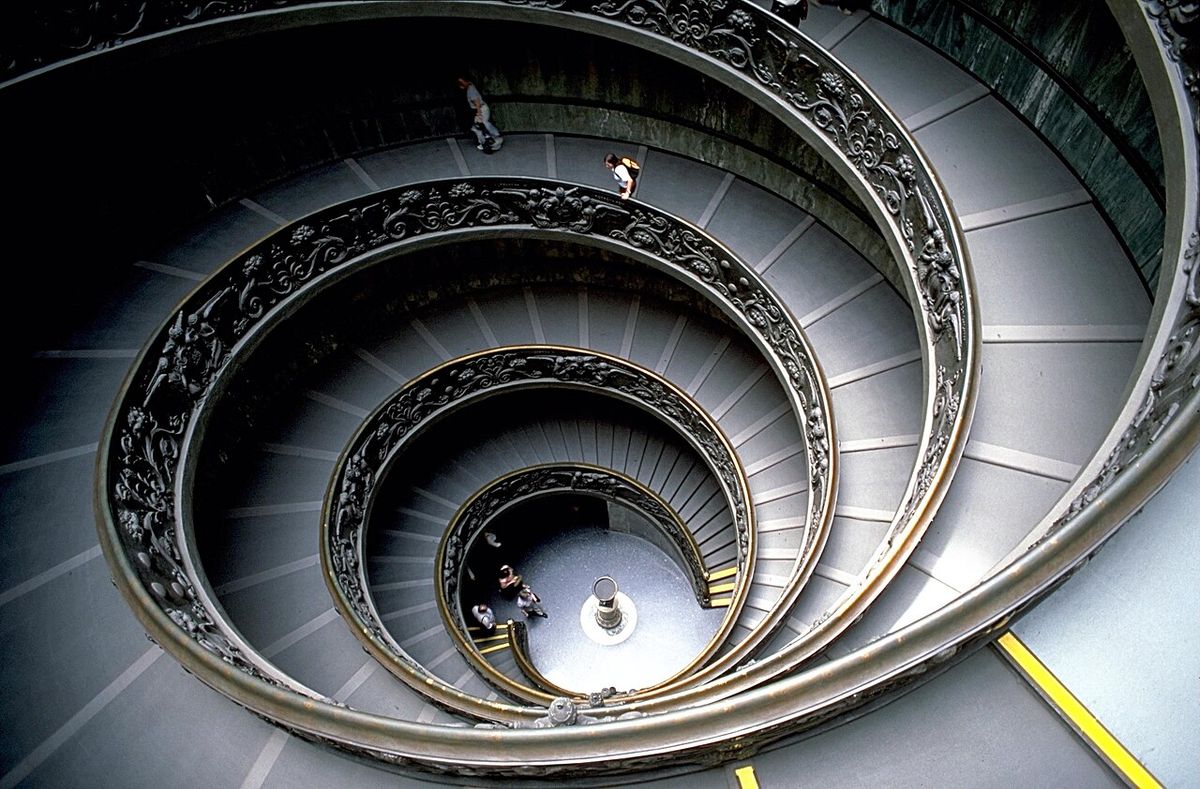
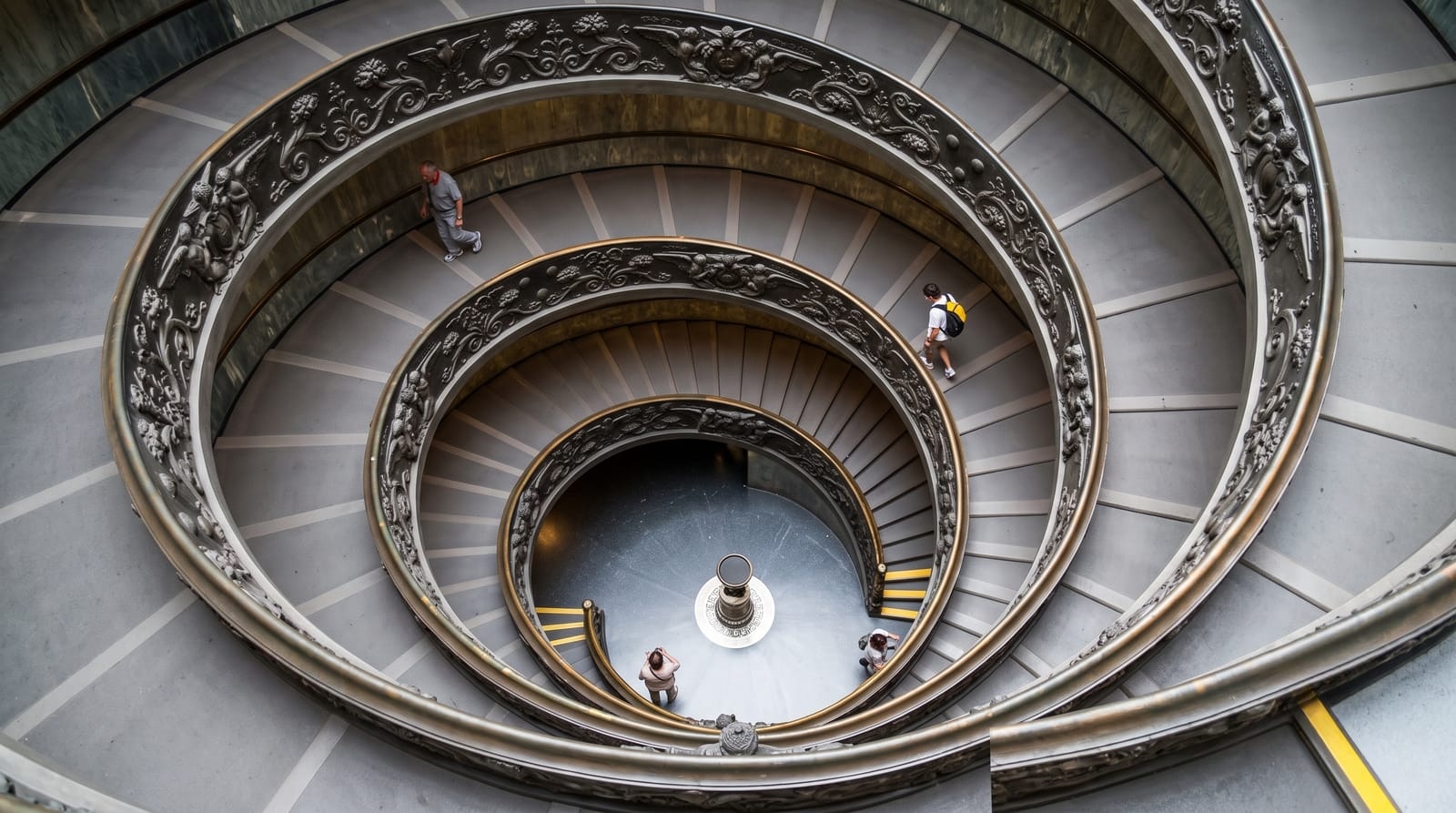
The Vatican Museums are among the largest and greatest museum complexes in the world, a treasure house displaying the immense art collections amassed by the popes over more than five centuries. Along a vast route of galleries and halls, visitors pass masterpieces of ancient Greek and Roman sculpture, including the celebrated Laocoön and the Apollo Belvedere, Egyptian antiquities, priceless tapestries, the striking frescoed Gallery of Maps, and the Raphael Rooms, whose walls the Renaissance master covered with masterpieces like the School of Athens. Endlessly rich in art and history, the museums culminate, at their climax, in the sublime Sistine Chapel, making them an essential and overwhelming experience.
History
The museums trace their origin to one sculpture: the Laocoön, found on 14 January 1506 in a vineyard near Santa Maria Maggiore, which Pope Julius II bought on the advice of Giuliano da Sangallo and Michelangelo and put on public display at the Vatican exactly a month later. Benedict XIV founded the Museum Christianum, Pius IX founded the Lateran Museum by decree in 1854, and for their 500th anniversary in October 2006 the museums permanently opened the excavations of a necropolis on Vatican Hill. Today they hold some 70,000 works, 20,000 of them on show, with the Sistine Chapel and Raphael's rooms on the visitors' route, and in 2024 they received 6.8 million visitors (Wikipedia, Vatican Museums).
What to look for
- The Raphael Rooms - the master's frescoes, including the School of Athens.
- The ancient sculpture - the Laocoön, Apollo Belvedere and classical art.
- The Gallery of Maps - the striking frescoed map corridor.
- The collections - the Egyptian, tapestry and picture galleries.
When to go
Year-round, but spring and autumn are far more comfortable than the packed, hot summer; booking a timed ticket online in advance is essential to avoid enormous queues, and early-morning or late-afternoon entry is calmest. The museums are vast, so it is wise to focus on highlights rather than attempt everything, allowing energy for the Sistine Chapel at the end.
What to expect
The Vatican Museums are enormous and hugely popular, so they can be overwhelmingly crowded, hot and tiring, with a long, sometimes shuffling route to the Sistine Chapel, and booking ahead is essential to avoid queues that can stretch for hours; a strict dress code applies.
Nearby
The Sistine Chapel, St Peter's Basilica and the city of Rome are close by.
Key facts
Source: Wikidata, item Q182955, read on 18 October 2026.
What to pack for The Vatican Museums
Chosen from what this place is for. Tap a kit for the full checklist.
- Comfortable walking shoes - Sightseeing means kilometres of pavement and cobbles daily. Find on Amazon
- Modest clothing - Shoulders and knees covered - the single most common requirement. Find on Amazon
- A slim anti-theft daypack - Zips that close properly; keep it in front in crowds and on transit. Find on Amazon
- A scarf or shawl - To cover the head or shoulders on entry; women especially at mosques. Find on Amazon
Some links on this page are Amazon affiliate links - if you buy through them we may earn a small commission at no extra cost to you.
All packing kitsPlan your trip
Where to start if The Vatican Museums is going on the list.
Booking links on this page are affiliate links - if you book through them we may earn a small commission at no extra cost to you. It never changes what we write about a place.
Opening times, ticket prices and seasonal closures change - check the official source before you go: official site.