Seneca Rocks
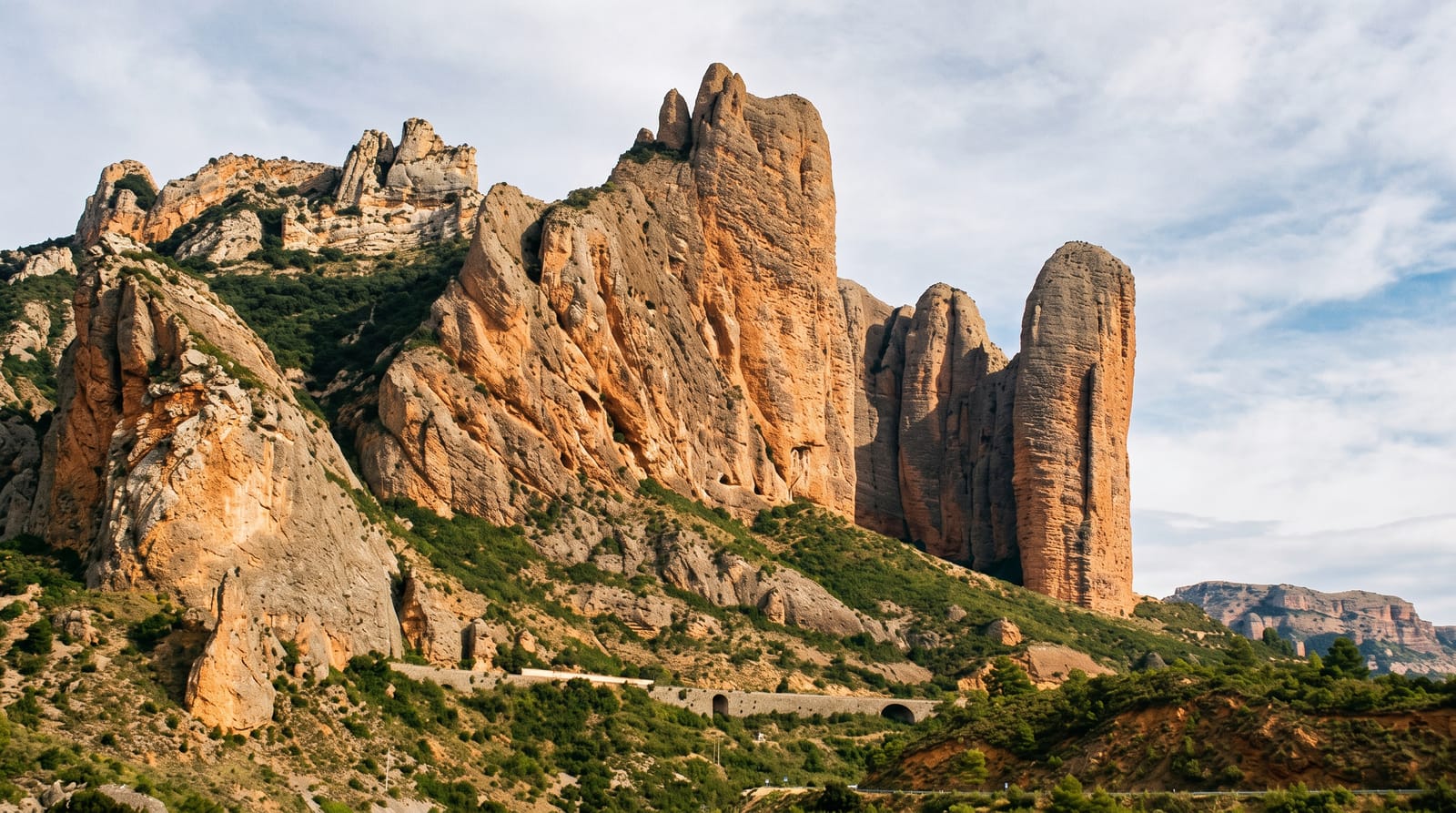
A blade of quartzite rising nearly 275 metres above a West Virginia valley, with a summit reached only by technical climbing.
Updated 21 October 2026
The formation is Tuscarora quartzite, tilted almost vertical by the folding that built the Appalachians, weathering into a thin fin - its south peak is the only summit on the East Coast that can be reached only by technical climbing, not by trail. It is among the best-known traditional climbing areas in the eastern United States. A public trail with switchbacks climbs to an observation platform below the north peak.
The landscape
- A quartzite fin nearly 275 metres above the valley - tilted vertical by folding.
- A summit reachable only by climbing - the trail stops below it.
- A long climbing history - documented from 1935.
- A switchback trail - to an observation platform below the north peak.
When to go
April to October. Half a day.
Things to know
The true summit requires technical climbing. The trail is a steady climb with steps. Facilities are limited to a small visitor centre. The valley is remote.
Nearby
Dolly Sods is north-east; Spruce Knob is south.
Key facts
Source: Wikidata, item Q7450337, read on 18 October 2026.
What to pack for Seneca Rocks
Chosen from what this place is for. Tap a kit for the full checklist.
- Broken-in walking shoes or boots - Grip and ankle support matter more than looks; never hike in brand-new boots. Find on Amazon
- Layers + a waterproof shell - Mountain weather turns fast; a packable rain jacket saves the day. Find on Amazon
- Daypack with rain cover - 20-30 litres holds water, snacks, layers and a first-aid kit. Find on Amazon
- Offline maps + a power bank - Download the trail before you lose signal; carry backup charge. Find on Amazon
Some links on this page are Amazon affiliate links - if you buy through them we may earn a small commission at no extra cost to you.
All packing kitsPlan your trip
Where to start if Seneca Rocks is going on the list.
Booking links on this page are affiliate links - if you book through them we may earn a small commission at no extra cost to you. It never changes what we write about a place.
Opening times, ticket prices and seasonal closures change - check the official source before you go: official site.