Field Museum
A Chicago natural history museum holding SUE, the most complete Tyrannosaurus ever found, and the lions that ate at Tsavo.
Updated 30 August 2026
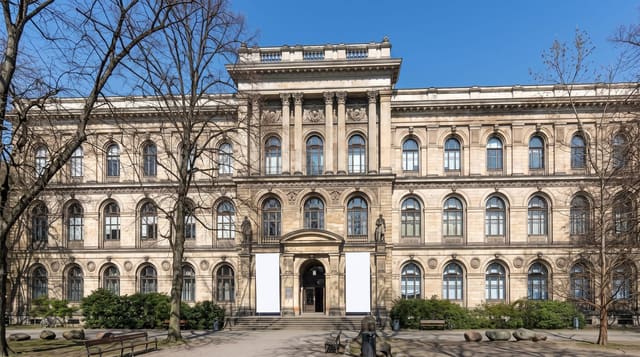
The museum grew out of the 1893 World's Columbian Exposition and moved to its lakefront building in 1921. SUE, found in South Dakota in 1990, is the most complete Tyrannosaurus rex skeleton yet discovered at around ninety percent by bulk; the specimen was the subject of a long ownership dispute and sold at auction in 1997 for over eight million dollars, with the museum backed by corporate partners. SUE was moved from the main hall to a dedicated upstairs gallery in 2018 and given gastralia - belly ribs - that had been left off. The Tsavo man-eating lions, shot in Kenya in 1898, are also here, and are maneless males, which the museum uses to explain regional lion variation.
What to look for
- SUE - about ninety percent complete, in a dedicated gallery since 2018.
- The Tsavo lions - the 1898 specimens, maneless males.
- A large anthropology collection - Egyptian, Pacific and Americas halls.
- A 1921 lakefront building - from the 1893 exposition's collections.
When to go
Year round. Half a day.
Before you go
SUE is no longer in the main hall - that is now a titanosaur cast. Special exhibitions cost extra beyond the basic ticket. School groups fill weekday mornings. The Museum Campus is exposed and cold in winter.
Nearby
Shedd Aquarium and Adler Planetarium share the campus; Grant Park is north.
Key facts
Source: Wikidata, item Q1122595, read on 18 October 2026.
What to pack for Field Museum
Chosen from what this place is for. Tap a kit for the full checklist.
- Comfortable walking shoes - Sightseeing means kilometres of pavement and cobbles daily. Find on Amazon
- A slim anti-theft daypack - Zips that close properly; keep it in front in crowds and on transit. Find on Amazon
- A refillable water bottle - Many cities have public fountains; save money and plastic. Find on Amazon
- A light layer + compact umbrella - For museum air-con and a sudden shower. Find on Amazon
Some links on this page are Amazon affiliate links - if you buy through them we may earn a small commission at no extra cost to you.
All packing kitsPlan your trip
Where to start if Field Museum is going on the list.
Booking links on this page are affiliate links - if you book through them we may earn a small commission at no extra cost to you. It never changes what we write about a place.
Opening times, ticket prices and seasonal closures change - check the official source before you go: official site.