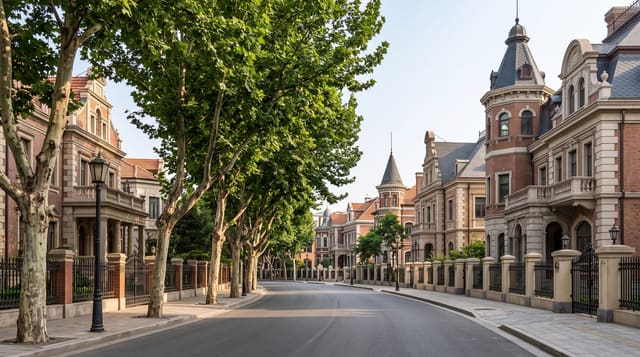
Chinatown San Francisco
The oldest Chinatown in North America, rebuilt after 1906 in a deliberately Chinese-looking style to keep the land.
Updated 20 October 2026
Chinese arrivals settled here from about 1850 and the quarter grew under exclusion laws that restricted where they could live and work. The 1906 earthquake and fire destroyed it, and city interests moved to relocate the community to the edge of the city and take the valuable central land. The community's response was architectural: rebuild fast, and rebuild in a style that read as unmistakably Chinese to outside eyes - pagoda roofs, dragon lamps, upturned eaves designed largely by Western architects - making the district a commercial attraction the city would not want to lose. It worked. Stockton Street remains the working grocery and market street where residents shop; Grant Avenue is the tourist face of the same place.
The main sights
- Grant Avenue - the ornamental rebuilt frontage, aimed outward.
- Stockton Street - the working market street where people shop.
- A rebuild designed to keep the land - the strategy after 1906.
- Alleys off the main streets - temples, associations, older fabric.
When to go
Year round; Lunar New Year brings a large parade. Half a day.
Practical notes
Grant Avenue is largely souvenir shops - Stockton is the real one. It is dense and crowded. Hills are steep. Parking is effectively impossible; use transit.
Nearby
North Beach is north; Union Square is south.
Key facts
Source: Wikidata, item Q1073644, read on 18 October 2026.
What to pack for Chinatown San Francisco
Chosen from what this place is for. Tap a kit for the full checklist.
- Comfortable walking shoes - Sightseeing means kilometres of pavement and cobbles daily. Find on Amazon
- Modest clothing - Shoulders and knees covered - the single most common requirement. Find on Amazon
- A slim anti-theft daypack - Zips that close properly; keep it in front in crowds and on transit. Find on Amazon
- A scarf or shawl - To cover the head or shoulders on entry; women especially at mosques. Find on Amazon
Some links on this page are Amazon affiliate links - if you buy through them we may earn a small commission at no extra cost to you.
All packing kitsPlan your trip
Where to start if Chinatown San Francisco is going on the list.
Booking links on this page are affiliate links - if you book through them we may earn a small commission at no extra cost to you. It never changes what we write about a place.
Opening times, ticket prices and seasonal closures change - check the official source before you go: official site.