Cape May
A Victorian resort at New Jersey's southern tip, rebuilt in gingerbread after an 1878 fire and a major migration point for birds.
Updated 16 October 2026
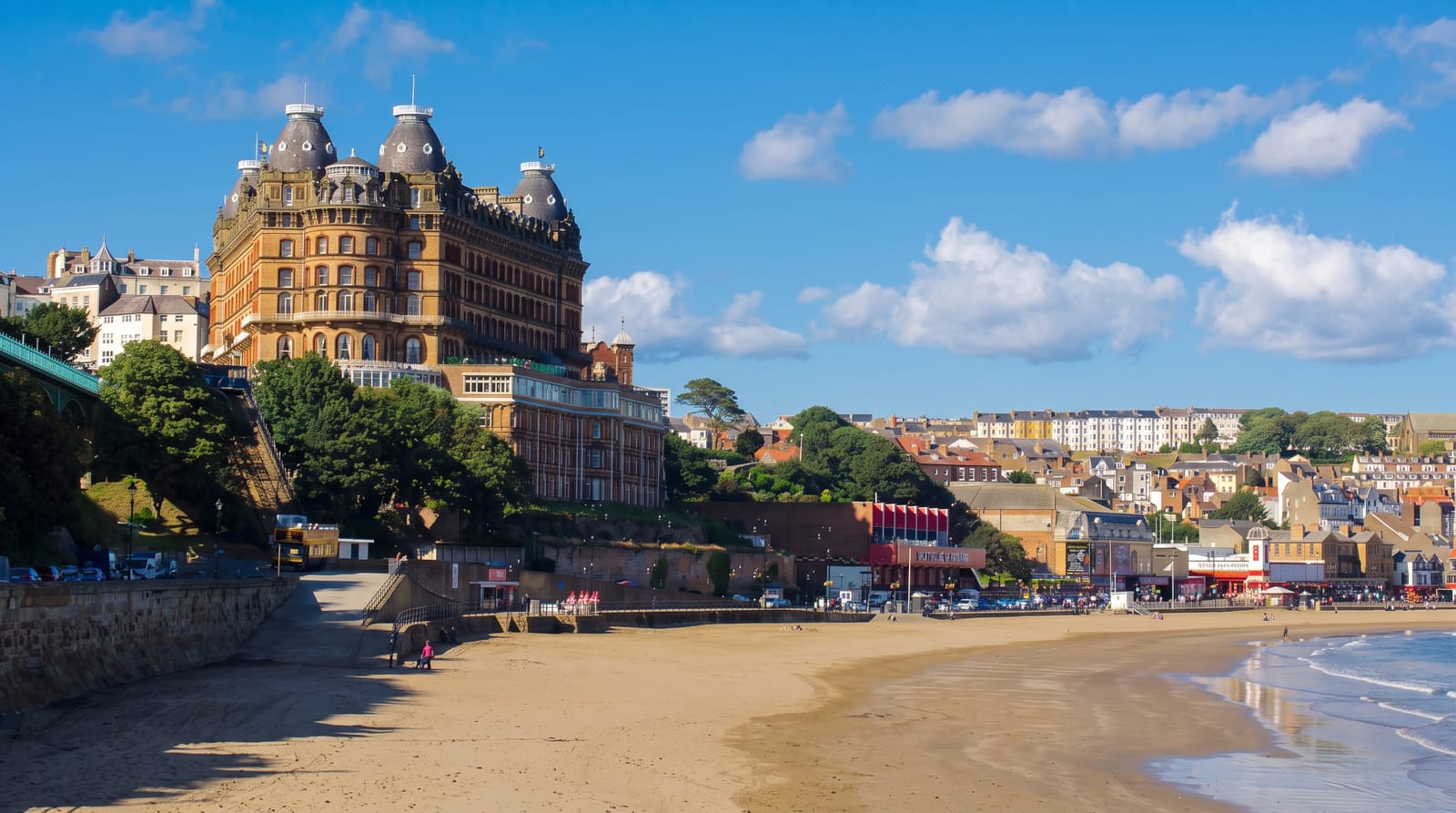
Cape May had been a resort since the mid-eighteenth century, and a fire in 1878 destroyed much of the town; the rebuilding happened at the peak of the Victorian style, which is why several hundred gingerbread houses with turrets, porches and painted trim went up in a few years. The whole town is a National Historic Landmark district. Its other reputation is ornithological: the cape funnels migrating birds down the peninsula before the water crossing, and the autumn hawk watch and songbird passage make it one of the most important migration sites in North America, with a research station counting since 1976. Beach access requires a paid tag in season.
Background
Cape May is a peninsula and barrier island system that runs south from the New Jersey mainland between Delaware Bay and the Atlantic, roughly matching Cape May County. The cape holds the southernmost point of New Jersey, which is also the southernmost in the whole northeastern United States. Resort towns line its Atlantic side, among them Ocean City, the most populous, and the Wildwoods with their notable hotel district, while the city of Cape May has served as a resort since the mid-18th century, the oldest in the country.
Source: Wikipedia, "Cape May"
The main sights
- Several hundred Victorian houses - rebuilt at once after the 1878 fire.
- A whole-town historic district - a National Historic Landmark.
- The autumn hawk watch - one of the major migration counts.
- Beaches with paid tags - required in season.
When to go
May to October for the town; spring and autumn for migration. A full day.
Practical notes
Beach tags are charged and enforced. Summer weekends fill the town and the parkway. Most Victorian houses are private homes or inns. Migration quality depends entirely on the wind.
Nearby
The lighthouse and the point are west; Wildwood is north.
Key facts
Source: Wikidata, item Q2065437, read on 18 October 2026.
What to pack for Cape May
Chosen from what this place is for. Tap a kit for the full checklist.
- Reef-safe sunscreen - High SPF that will not bleach the coral you are swimming over. Find on Amazon
- Comfortable walking shoes - Sightseeing means kilometres of pavement and cobbles daily. Find on Amazon
- Quick-dry towel - A microfibre towel packs small and dries in minutes. Find on Amazon
- A slim anti-theft daypack - Zips that close properly; keep it in front in crowds and on transit. Find on Amazon
Some links on this page are Amazon affiliate links - if you buy through them we may earn a small commission at no extra cost to you.
All packing kitsPlan your trip
Where to start if Cape May is going on the list.
Booking links on this page are affiliate links - if you book through them we may earn a small commission at no extra cost to you. It never changes what we write about a place.
Opening times, ticket prices and seasonal closures change - check the official source before you go: official site.