South Bank
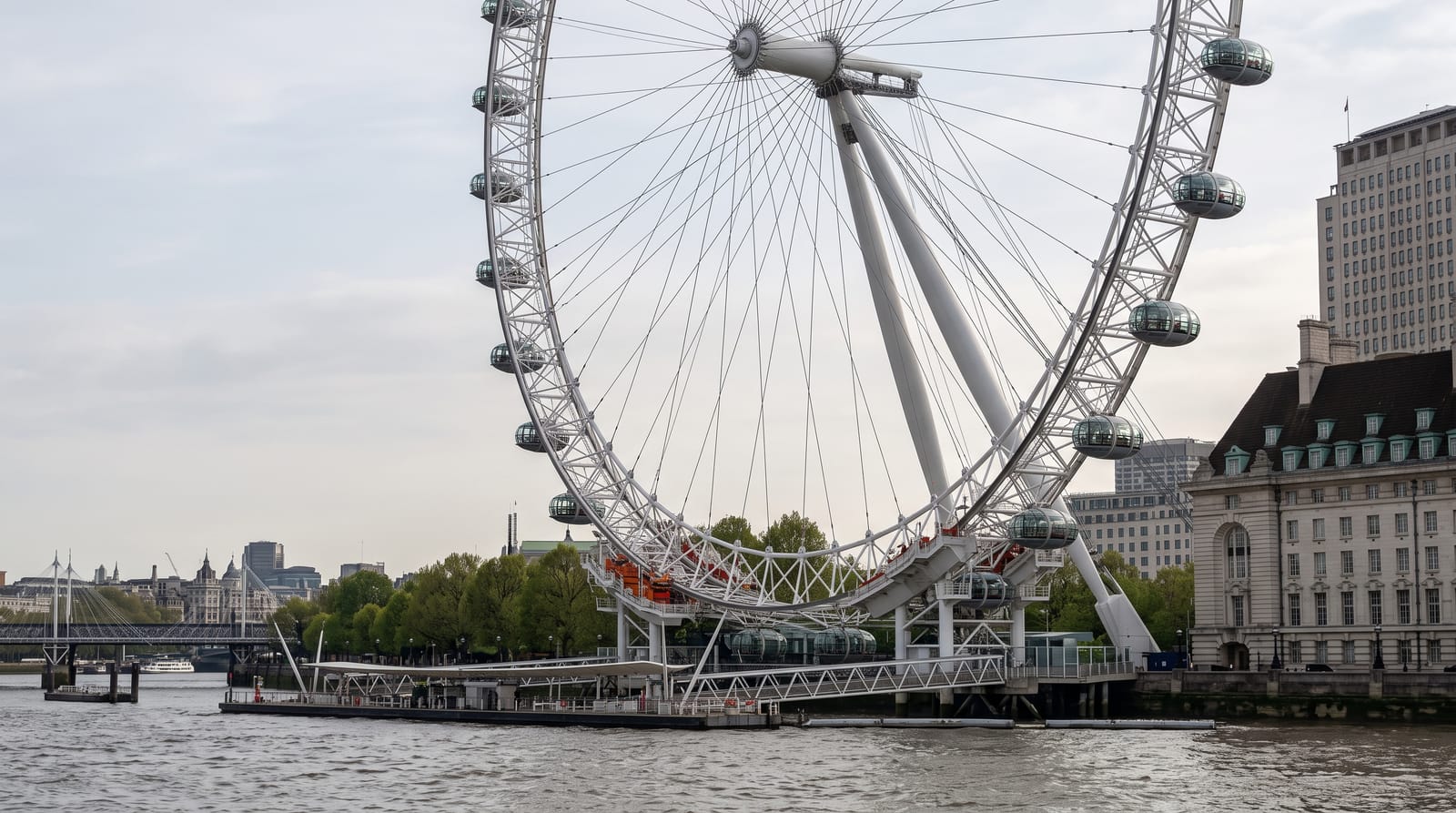
A stretch of Thames-side walkway from the London Eye to Blackfriars, holding the National Theatre and a skatepark in a concrete undercroft.
Updated 20 October 2026
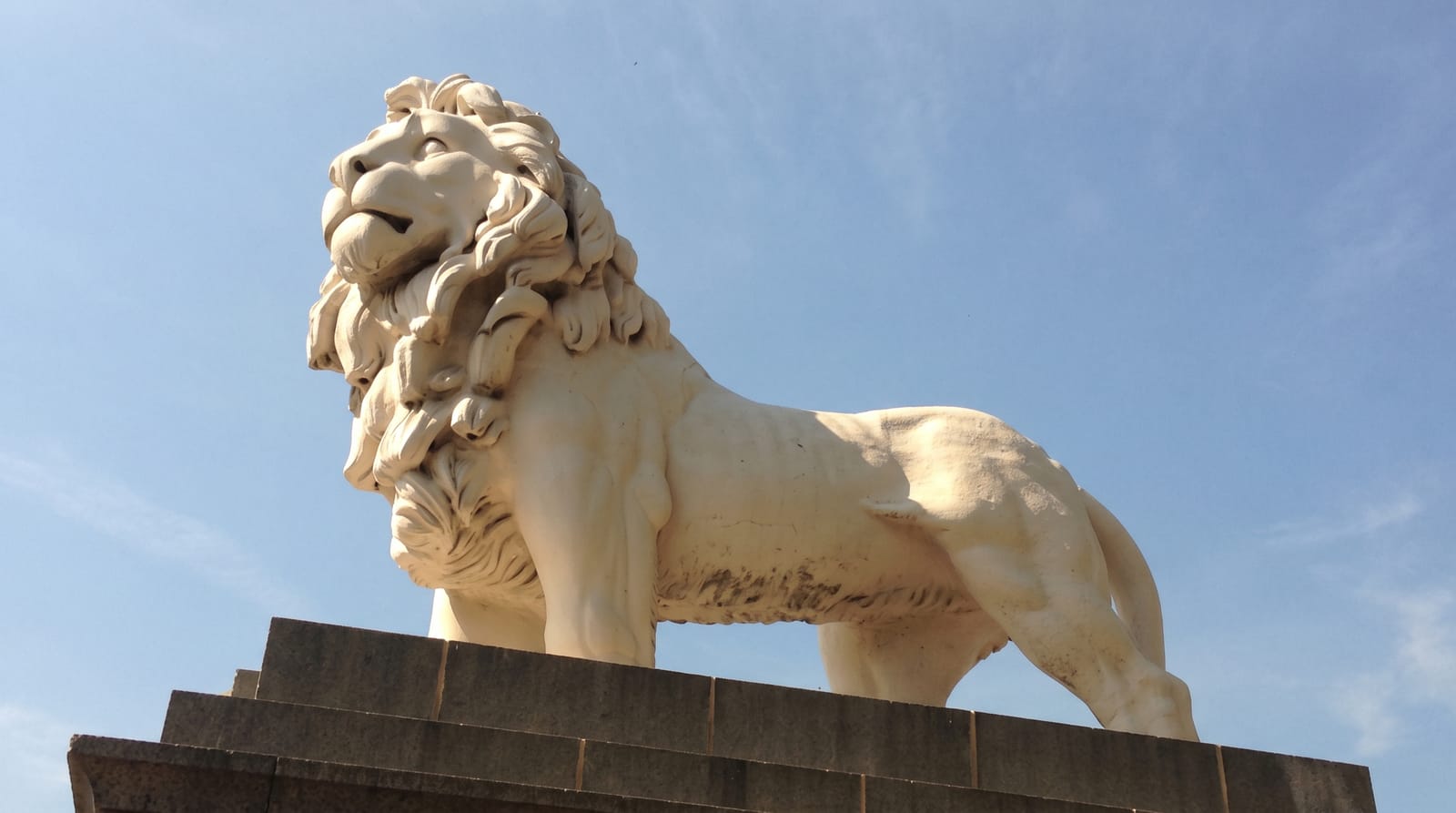
AI illustration
The South Bank was industrial wharves and slums until the Festival of Britain in 1951 cleared the site and left the Royal Festival Hall behind. The Hayward Gallery, Queen Elizabeth Hall and the National Theatre followed through the 1960s and 1970s in raw concrete, and the brutalist architecture divided opinion so sharply that Prince Charles called the National a nuclear power station; it is now listed and the concrete has been cleaned rather than clad. Beneath the Queen Elizabeth Hall, the undercroft has been skated since the early 1970s and was saved from redevelopment in 2014 by a campaign that delivered thirty-three thousand planning objections. The walkway carries second-hand book stalls under Waterloo Bridge and street performers along its length.
What you'll find
- The brutalist ensemble - the National Theatre, Hayward and Queen Elizabeth Hall.
- The undercroft skatepark - skated since the early 1970s and saved from redevelopment in 2014.
- The book market - second-hand stalls under Waterloo Bridge most days.
- The riverside walk - a continuous route from the Eye past Tate Modern.
When to go
April to October, when the walkway is busiest and outdoor programming runs; the Christmas market operates from November. Winter evenings are quieter and the buildings are lit.
Before you go
The walkway is crowded on warm evenings and weekends. The concrete architecture is genuinely divisive and looks grim in rain. Street performers and food stalls charge tourist prices.
Nearby
The London Eye is at one end and Tate Modern and the Globe at the other; Waterloo is behind.
Key facts
Source: Wikidata, item Q154322, read on 18 October 2026.
What to pack for South Bank
Chosen from what this place is for. Tap a kit for the full checklist.
- Comfortable walking shoes - Sightseeing means kilometres of pavement and cobbles daily. Find on Amazon
- A slim anti-theft daypack - Zips that close properly; keep it in front in crowds and on transit. Find on Amazon
- A refillable water bottle - Many cities have public fountains; save money and plastic. Find on Amazon
- A light layer + compact umbrella - For museum air-con and a sudden shower. Find on Amazon
Some links on this page are Amazon affiliate links - if you buy through them we may earn a small commission at no extra cost to you.
All packing kitsPlan your trip
Where to start if South Bank is going on the list.
Booking links on this page are affiliate links - if you book through them we may earn a small commission at no extra cost to you. It never changes what we write about a place.
Opening times, ticket prices and seasonal closures change - check the official source before you go: official site.