Science Museum
A South Kensington museum holding Stephenson's Rocket, a Command Module and the first jet engine, free to enter.
Updated 12 October 2026
AI illustration
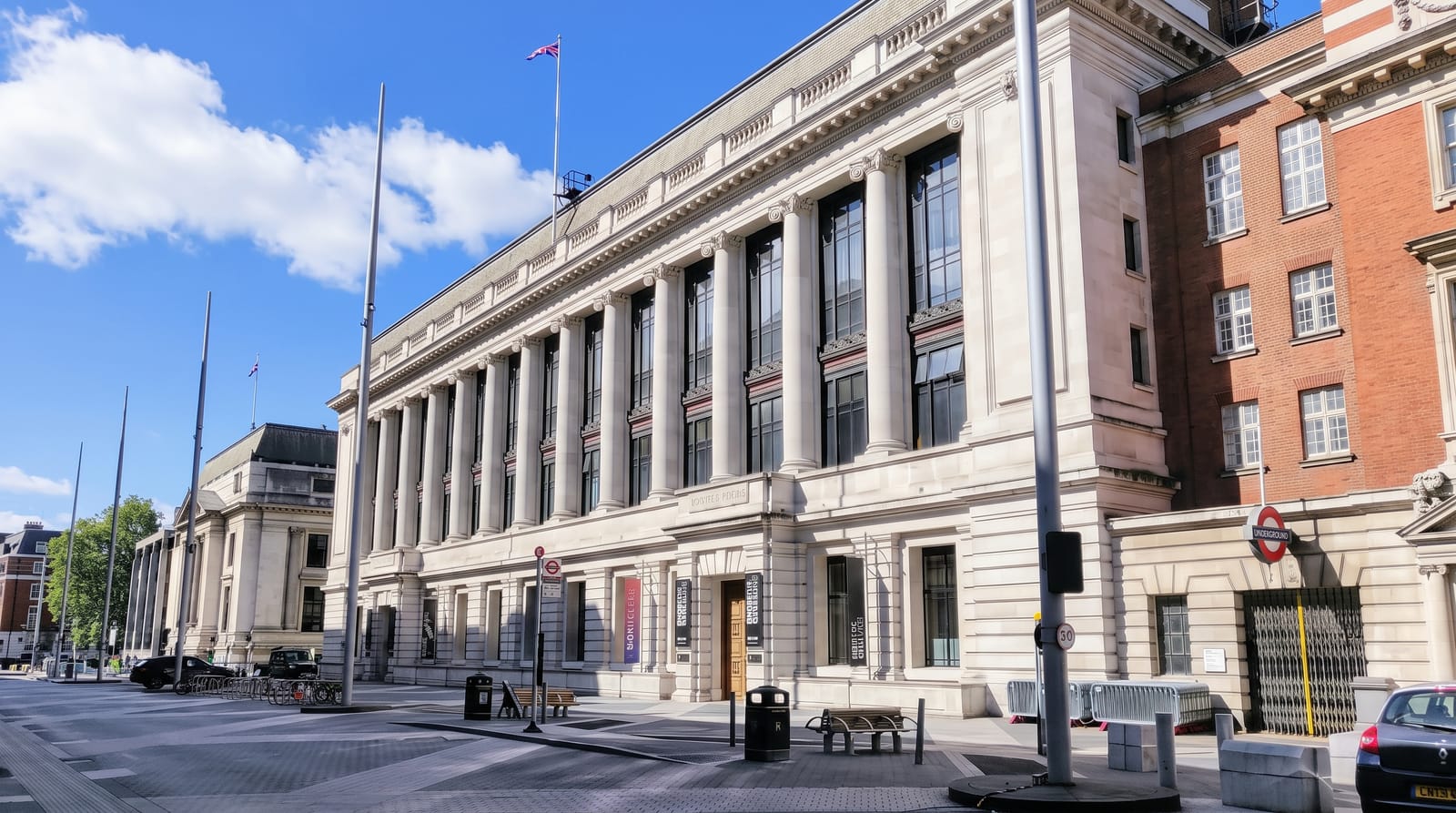
The Science Museum grew from the 1851 Great Exhibition surplus and holds around three hundred thousand objects covering the history of science, industry and medicine. The scale of the individual items is what surprises: Stephenson's Rocket of 1829, the Apollo 10 command module that flew to the moon and back in 1969, Charles Babbage's Difference Engine and a working reconstruction of it, Whittle's first jet engine, and a Boeing 747 nose section. The Wellcome medical galleries hold Wellcome's own collection of surgical, obstetric and pharmaceutical material, some of it grim. The Wonderlab charges separately and is aimed at children with live demonstrations. Free entry has been maintained since 2001.
What's there
- Stephenson's Rocket - the 1829 locomotive that set the pattern for steam railways.
- Apollo 10 - the command module that orbited the moon in 1969.
- The Difference Engine - Babbage's design, built to his drawings in the 1990s.
- The Wellcome galleries - medical history from a collector with unusual reach.
When to go
Year-round; school holidays and weekend afternoons are extremely busy with families. Weekday late afternoons in term time are the calmest. Adults-only Lates run on some evenings.
Before you go
The museum is enormous and cannot be covered in one visit. Wonderlab and the IMAX charge separately despite free general entry. During school holidays the noise level in the lower galleries is considerable.
Nearby
The Natural History Museum and the V&A are on the same street; Hyde Park lies north.
Key facts
Source: Wikidata, item Q674773, read on 18 October 2026.
What to pack for Science Museum
Chosen from what this place is for. Tap a kit for the full checklist.
- Comfortable walking shoes - Sightseeing means kilometres of pavement and cobbles daily. Find on Amazon
- A slim anti-theft daypack - Zips that close properly; keep it in front in crowds and on transit. Find on Amazon
- A refillable water bottle - Many cities have public fountains; save money and plastic. Find on Amazon
- A light layer + compact umbrella - For museum air-con and a sudden shower. Find on Amazon
Some links on this page are Amazon affiliate links - if you buy through them we may earn a small commission at no extra cost to you.
All packing kitsPlan your trip
Where to start if Science Museum is going on the list.
Booking links on this page are affiliate links - if you book through them we may earn a small commission at no extra cost to you. It never changes what we write about a place.
Opening times, ticket prices and seasonal closures change - check the official source before you go: official site.


