Fazao-Malfakassa National Park
Togo's green spine - forested mountains and savanna valleys in the country's largest park, with waterfalls, monkeys and quiet trails.
Updated 3 September 2026
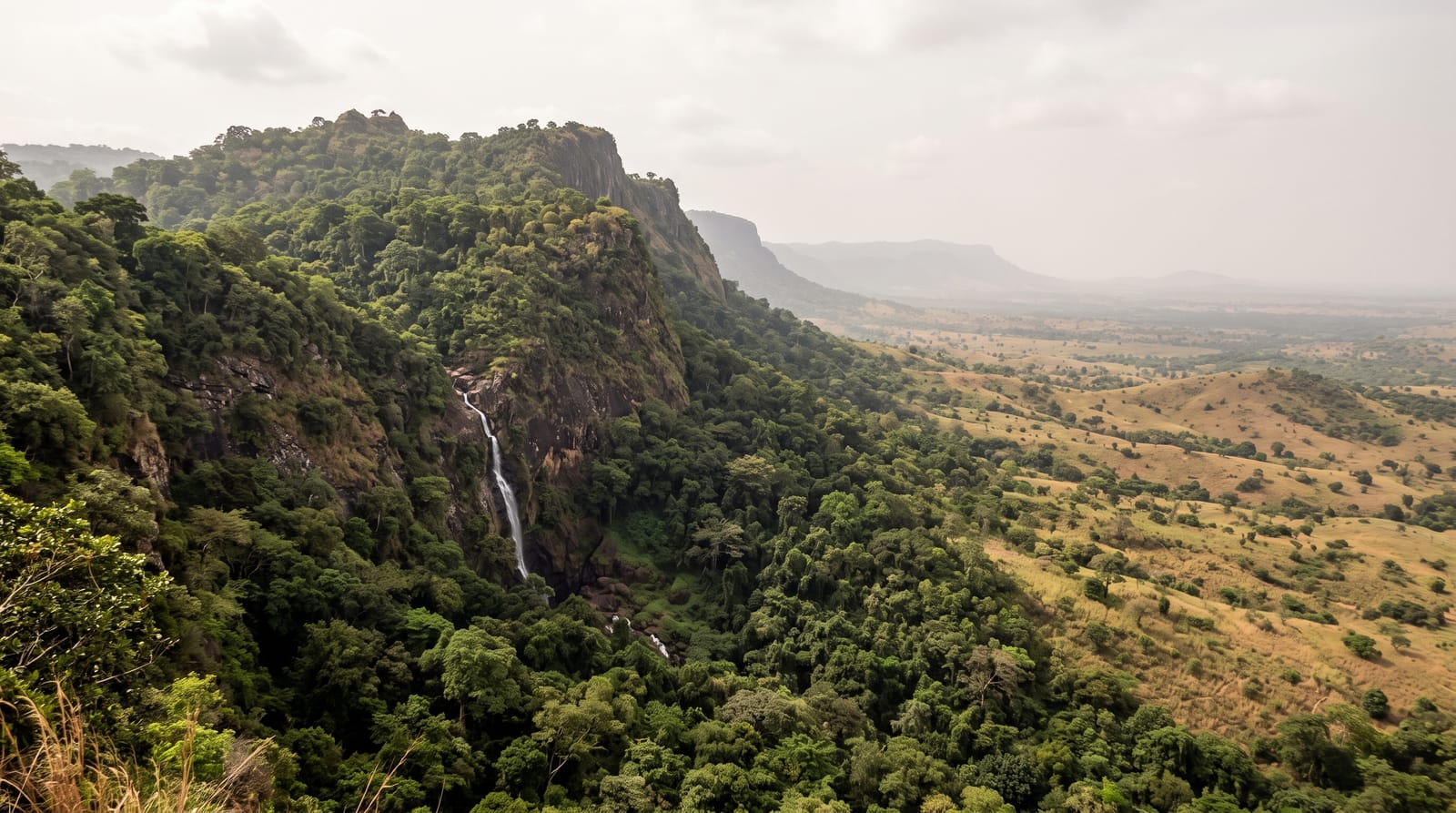
AI illustration
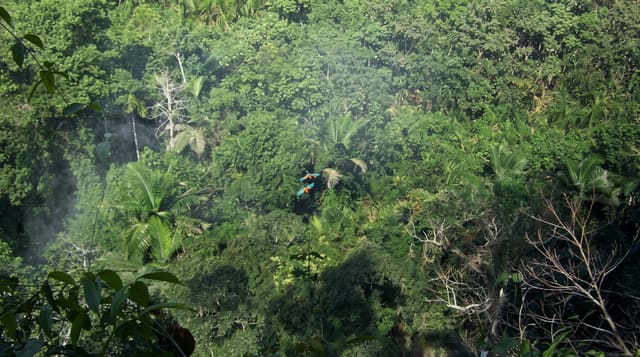
Where the Togo Mountains swell through the country's middle, Fazao-Malfakassa spreads the nation's largest protected area across forested ridges and savanna valleys - a landscape of semi-deciduous forest pouring down escarpments, waterfalls threading the wet-season rock, and wildlife rebuilding under renewed management: monkeys and duikers reliably, forest elephants as the park's discreet flagship, and birdlife that makes the canopy constant theatre. Trails climb to ridgeline viewpoints over green country that surprises visitors expecting West African plains, and the park's lodge-era infrastructure is slowly waking again with the conservation partnership running patrols.
The landscape
- The escarpment forests - canopy pouring down the mountain flanks.
- The ridge viewpoints - green valley panoramas from the tops.
- Waterfalls in season - cascades braiding the wet-season cliffs.
- The wildlife recovery - monkeys, duikers and the elusive forest elephants.
When to go
November to February for dry trails and harmattan-cool mornings; waterfalls play best just after the rains. Arrange guides at the entrance - wandering solo is neither allowed nor wise.
Before you go
Wildlife here is heard and glimpsed rather than paraded - set expectations to forest-safari mode, where the landscape is the certain reward. Tracks and facilities are basic and improving; Sokode is the practical base. The park's story is recovery in progress - visiting funds it.
Nearby
Sokode's markets, the Aledjo cliffs on the north road and Bassar's iron-country villages.
Key facts
Source: Wikidata, item Q144029, read on 18 October 2026.
What to pack for Fazao-Malfakassa National Park
Chosen from what this place is for. Tap a kit for the full checklist.
- Broken-in walking shoes or boots - Grip and ankle support matter more than looks; never hike in brand-new boots. Find on Amazon
- Binoculars - The single best wildlife tool - even a compact pair transforms a sighting. Find on Amazon
- Layers + a waterproof shell - Mountain weather turns fast; a packable rain jacket saves the day. Find on Amazon
- A zoom camera or long lens - Animals rarely come close; reach beats megapixels. Find on Amazon
Some links on this page are Amazon affiliate links - if you buy through them we may earn a small commission at no extra cost to you.
All packing kitsPlan your trip
Where to start if Fazao-Malfakassa National Park is going on the list.
Booking links on this page are affiliate links - if you book through them we may earn a small commission at no extra cost to you. It never changes what we write about a place.
Opening times, ticket prices and seasonal closures change - check the official source before you go: official site.