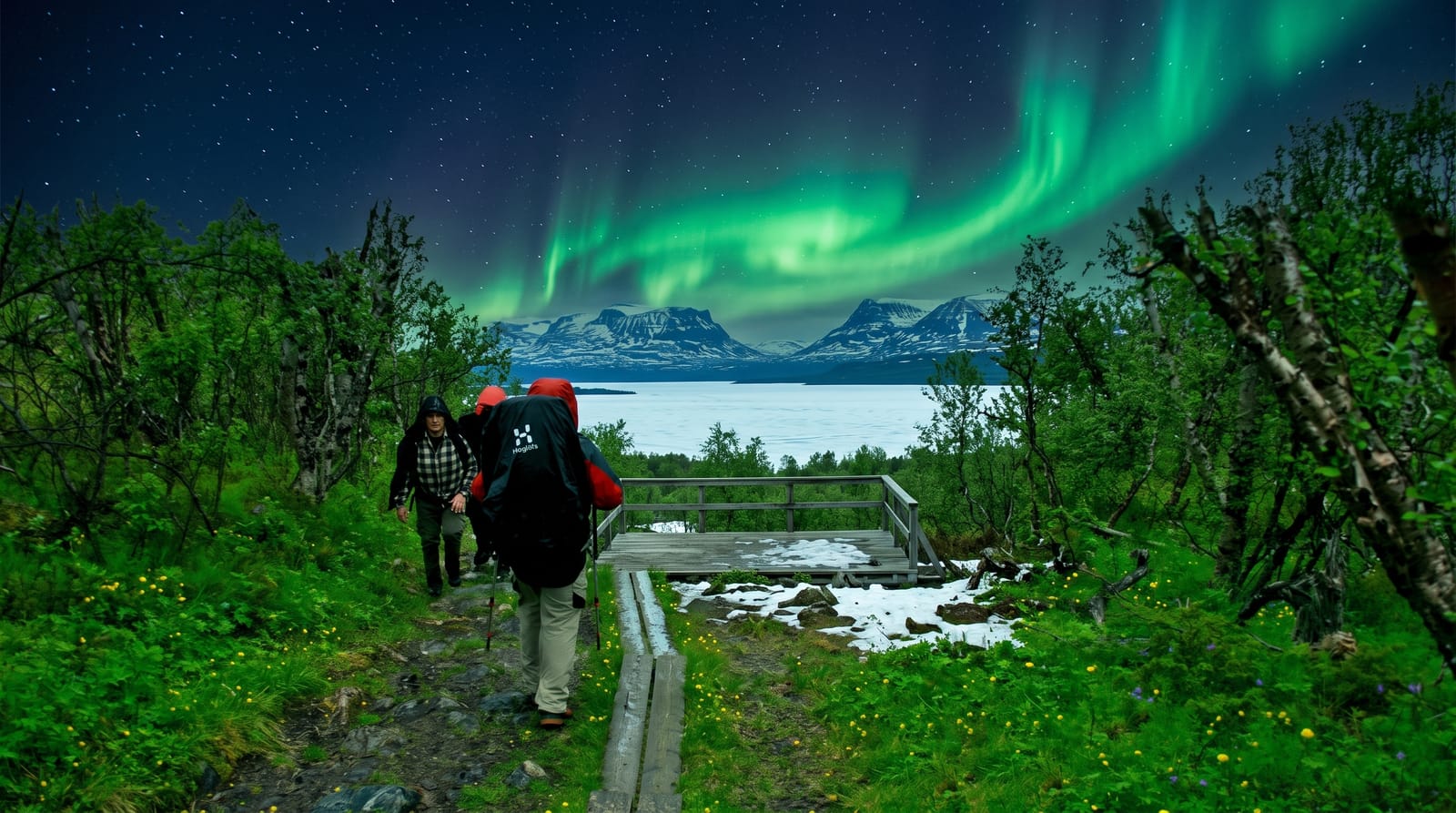
Lake Takern
A shallow lake on the Ostergotland plain where tens of thousands of geese roost on the autumn migration.
Saved in this browser only - no account, nothing sent anywhere. See your map
Takern is large and extremely shallow - average depth under a metre - with vast reed beds round the margins, which makes it one of the most important bird lakes in northern Europe. In autumn the geese come: tens of thousands of bean and greylag geese roost on the open water and fly out to the fields at dawn, and the mass departure at first light is what people come to see. Spring brings cranes, ducks and marsh harriers, and the reed beds hold bittern and bearded tit. A naturum at Glanas has hides and a tower, and there are several other towers round the shore. The lake was partly drained in the nineteenth century and has been restored since.
What you actually see
- Tens of thousands of geese - roosting and flying out at dawn.
- Vast reed beds - holding bittern and bearded tit.
- Cranes and harriers in spring - the other migration.
- A naturum with hides and towers - at Glanas on the south shore.
When to go
April to May and September to October; dawn for the geese. Half a day.
Honest expectations
The spectacle is seasonal and weather dependent. Dawn means a very early start in autumn. Hides are cold and cramped. Binoculars or a scope are needed - the birds are distant.
Nearby
Omberg is west; Vadstena is north.
What to pack for Lake Takern
Chosen from what this place is for. Tap a kit for the full checklist.
Opening times, ticket prices and seasonal closures change - check the official source before you go: official site.