Dinder National Park
The Sahel's water gardens - mayaa wetlands drawing antelope, lions and bird clouds along the Ethiopian borderlands.
Updated 14 September 2026
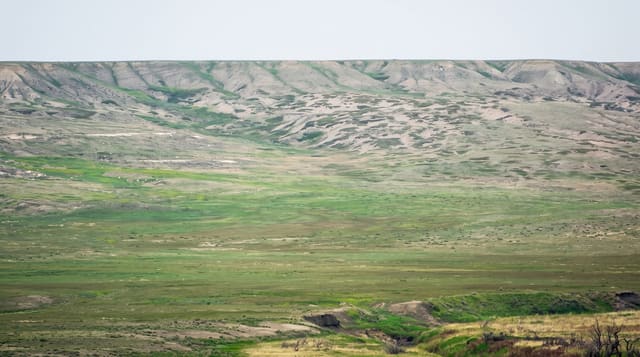
Along the Ethiopian borderlands, Dinder spreads one of the Sahel's great wildlife systems: the park's signature is its mayaas - oxbow wetlands left by the Dinder river's wanderings - which hold water deep into the dry season and gather the savanna's life around them: reedbuck and waterbuck in the sedges, ostrich and roan on the grass plains, lions working the tiaga thickets, and waterbirds - storks, cranes, pelicans - in dry-season clouds. Safari here is expedition-flavoured and gloriously unpolished, the reserve's scale (among Africa's larger parks) absorbing its few visitors entirely.
The landscape
- The mayaa gatherings - wetland gardens crowded with game.
- The bird clouds - storks and pelicans at the dry-season pools.
- The lion thickets - the Sahel's cats at their northern edge.
- The savanna scale - horizons that absorb every visitor.
When to go
January to April, deep dry season, concentrates everything at the mayaas. Arrange the trip through specialist local operators.
What to expect
In the park: infrastructure is minimal and expedition logistics (vehicles, camps, water) are the method; wildlife is wilder and warier than fenced-park expectations - patience is the lens.
Nearby
Sennar's Blue Nile dam country and the borderland plains.
Key facts
Source: Wikidata, item Q1226290, read on 18 October 2026.
What to pack for Dinder National Park
Chosen from what this place is for. Tap a kit for the full checklist.
- Broken-in walking shoes or boots - Grip and ankle support matter more than looks; never hike in brand-new boots. Find on Amazon
- Binoculars - The single best wildlife tool - even a compact pair transforms a sighting. Find on Amazon
- Shelter suited to the place - Tent, tarp or hut booking - match it to the terrain and rules. Find on Amazon
- Layers + a waterproof shell - Mountain weather turns fast; a packable rain jacket saves the day. Find on Amazon
Some links on this page are Amazon affiliate links - if you buy through them we may earn a small commission at no extra cost to you.
All packing kitsPlan your trip
Where to start if Dinder National Park is going on the list.
Booking links on this page are affiliate links - if you book through them we may earn a small commission at no extra cost to you. It never changes what we write about a place.
Opening times, ticket prices and seasonal closures change - check the official source before you go: official site.