Nerja Caves
A cave system found by boys chasing bats in 1959, holding a column 32 metres high and Palaeolithic paintings.
Updated 20 October 2026
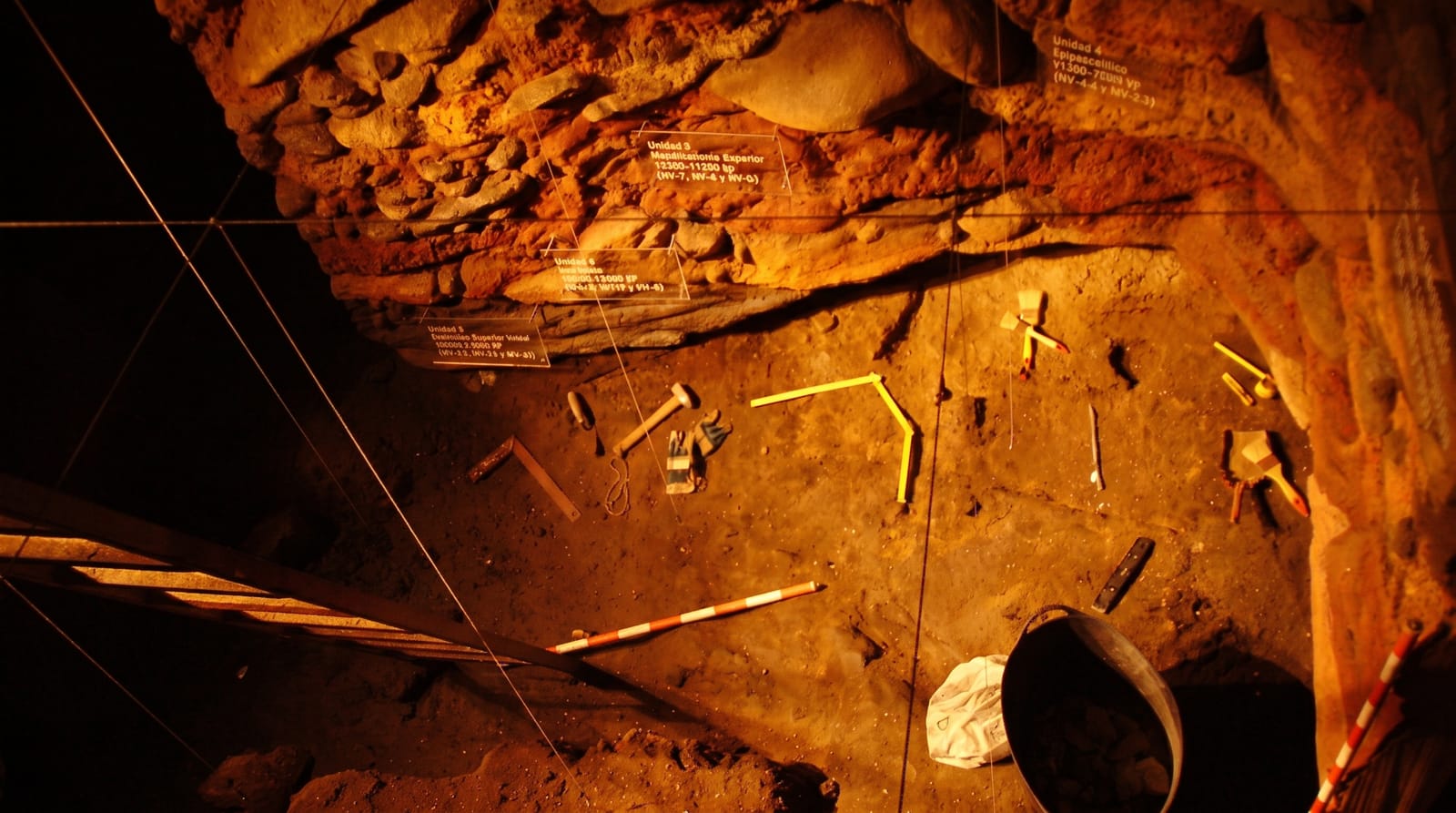
AI illustration
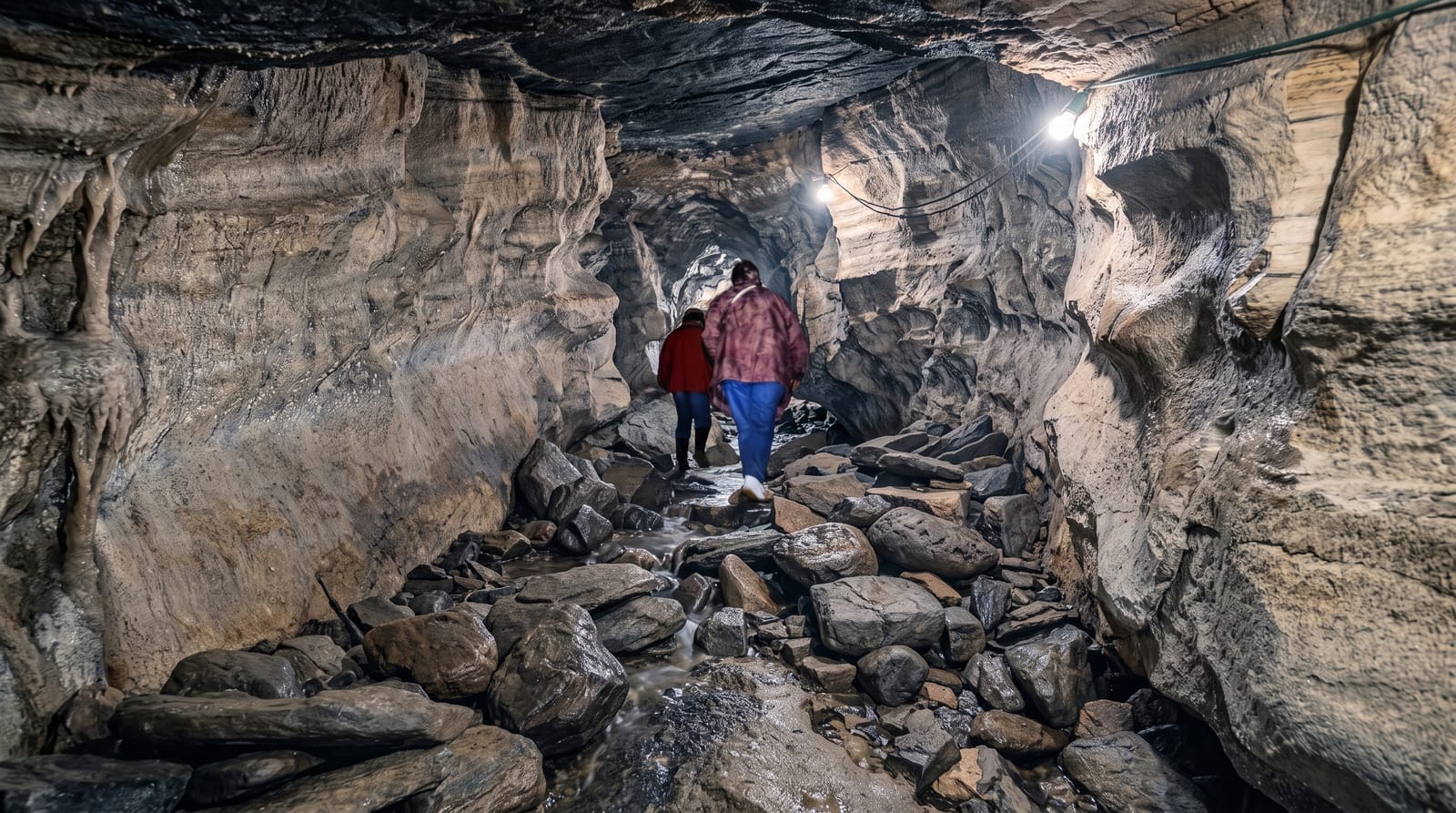
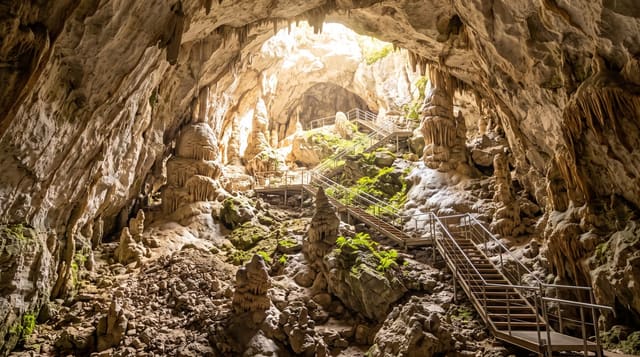
Five local boys hunting bats found a sinkhole above Maro in January 1959 and squeezed through into a cave system that turned out to run for nearly five kilometres, with chambers up to sixty metres high. About a third is open to visitors on a lit walkway, and its centrepiece is a column in the Cataclysm Hall formed where a stalactite and stalagmite joined, thirty-two metres tall and thirteen across at the base, listed as one of the largest known. People used the cave from about 25,000 BC until the Bronze Age, and it holds Palaeolithic wall paintings, though the areas containing them are closed for conservation and their dating is disputed. The temperature inside stays around nineteen degrees.
Highlights
- The great column - a joined formation thirty-two metres high.
- The lit chambers - a walkway through halls up to sixty metres tall.
- The formations - dense stalactites, curtains and flowstone.
- The archaeology displays - material from the cave's long human use.
When to go
Year-round; the constant temperature makes it a good hot-day option. Entry is by timed slot and books out in summer and at holiday weekends. Concerts are occasionally held in the largest hall.
Things to know
The route involves many steps and is not wheelchair accessible. The painted areas are closed to visitors and their age is contested among specialists. Coach groups arrive in blocks, and the walkway is narrow.
Nearby
Nerja and the Balcon de Europa are four kilometres west; the Maro cliffs and coves lie below.
Key facts
Source: Wikidata, item Q2169018, read on 18 October 2026.
What to pack for Nerja Caves
Chosen from what this place is for. Tap a kit for the full checklist.
- Broken-in walking shoes or boots - Grip and ankle support matter more than looks; never hike in brand-new boots. Find on Amazon
- Head torch + spare batteries - Hands-free light is essential; caves are truly dark. Find on Amazon
- Layers + a waterproof shell - Mountain weather turns fast; a packable rain jacket saves the day. Find on Amazon
- Grippy closed shoes - Cave floors are wet, muddy and slick with formations. Find on Amazon
Some links on this page are Amazon affiliate links - if you buy through them we may earn a small commission at no extra cost to you.
All packing kitsPlan your trip
Where to start if Nerja Caves is going on the list.
Booking links on this page are affiliate links - if you book through them we may earn a small commission at no extra cost to you. It never changes what we write about a place.
Opening times, ticket prices and seasonal closures change - check the official source before you go: official site.