Las Medulas
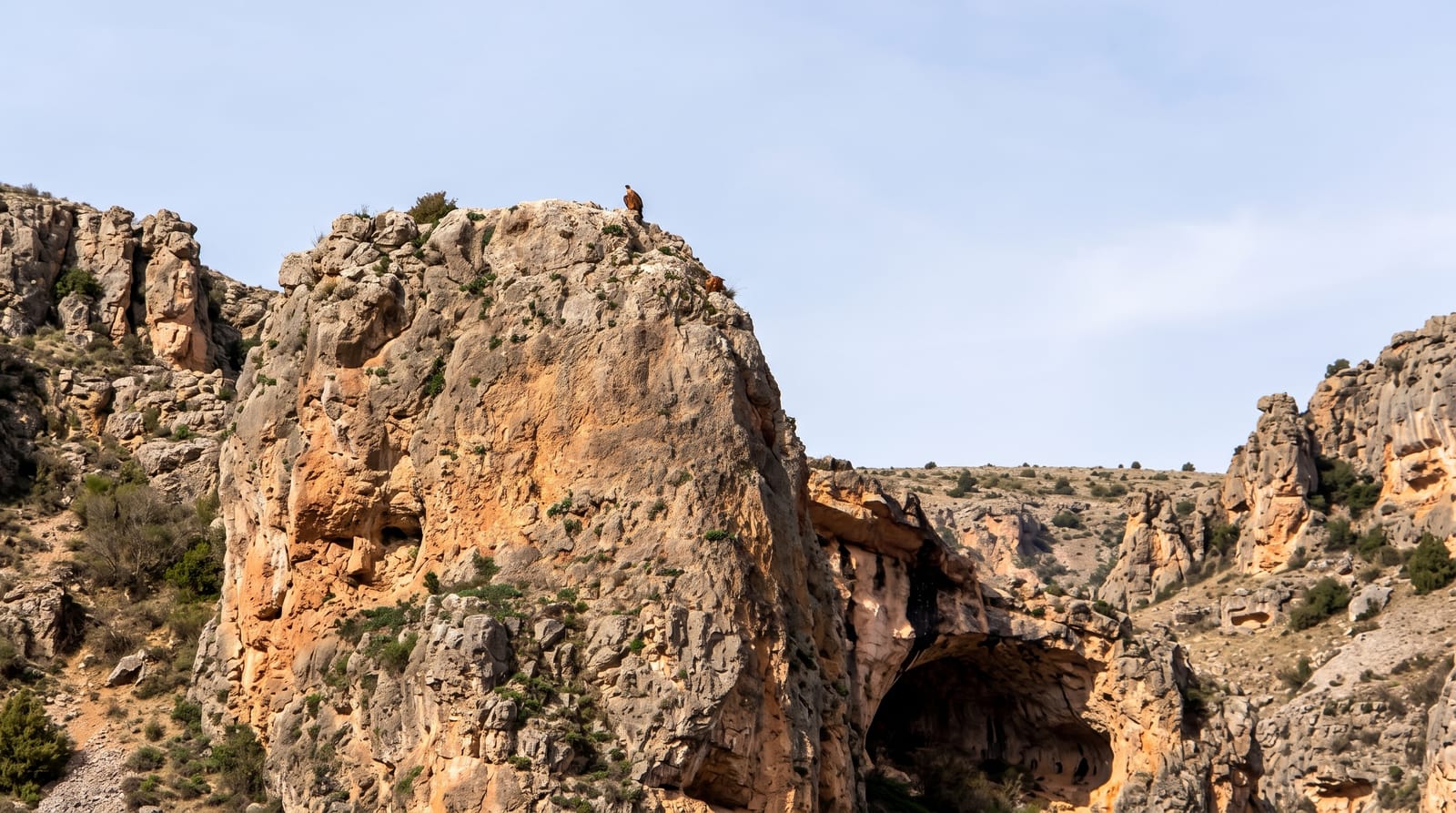
Red eroded crags left by the largest Roman gold mine in the empire, worked by collapsing hills with water.
Updated 12 October 2026

AI illustration
UNESCO World Heritage
Rome mined gold here from the first century AD using ruina montium, mountain-wrecking: shafts and tunnels were driven into the hillsides, then water brought by aqueducts from up to a hundred kilometres away was released into them, and the pressure collapsed the hill from within, washing the debris into sluices where the gold was recovered. Pliny the Elder, who administered the region, described it. Around 800 kilometres of channel were dug and an estimated hundreds of tonnes of gold extracted over two centuries. What remains is the wreckage: red and orange crags of exposed conglomerate standing above chestnut woods, riddled with tunnels. UNESCO listed it in 1997 as a cultural landscape rather than a natural one.
What you'll find
- The red crags - collapsed hillsides left as pinnacles of orange conglomerate.
- The Roman tunnels - galleries accessible on guided visits at La Cuevona.
- The Orellan viewpoint - the standard overlook across the whole landscape.
- The chestnut woods - trees growing among the mine debris.
When to go
April to June for green and flowers, September to November for chestnuts and autumn colour, which is when the contrast with the red rock is strongest. Summer is hot on the exposed rock and busy.
Good to know
The best-known viewpoint at Orellan has limited parking and fills in season. Tunnel visits are guided, ticketed and limited in number. The site is spread out, and seeing it properly means walking several kilometres or driving between points.
Nearby
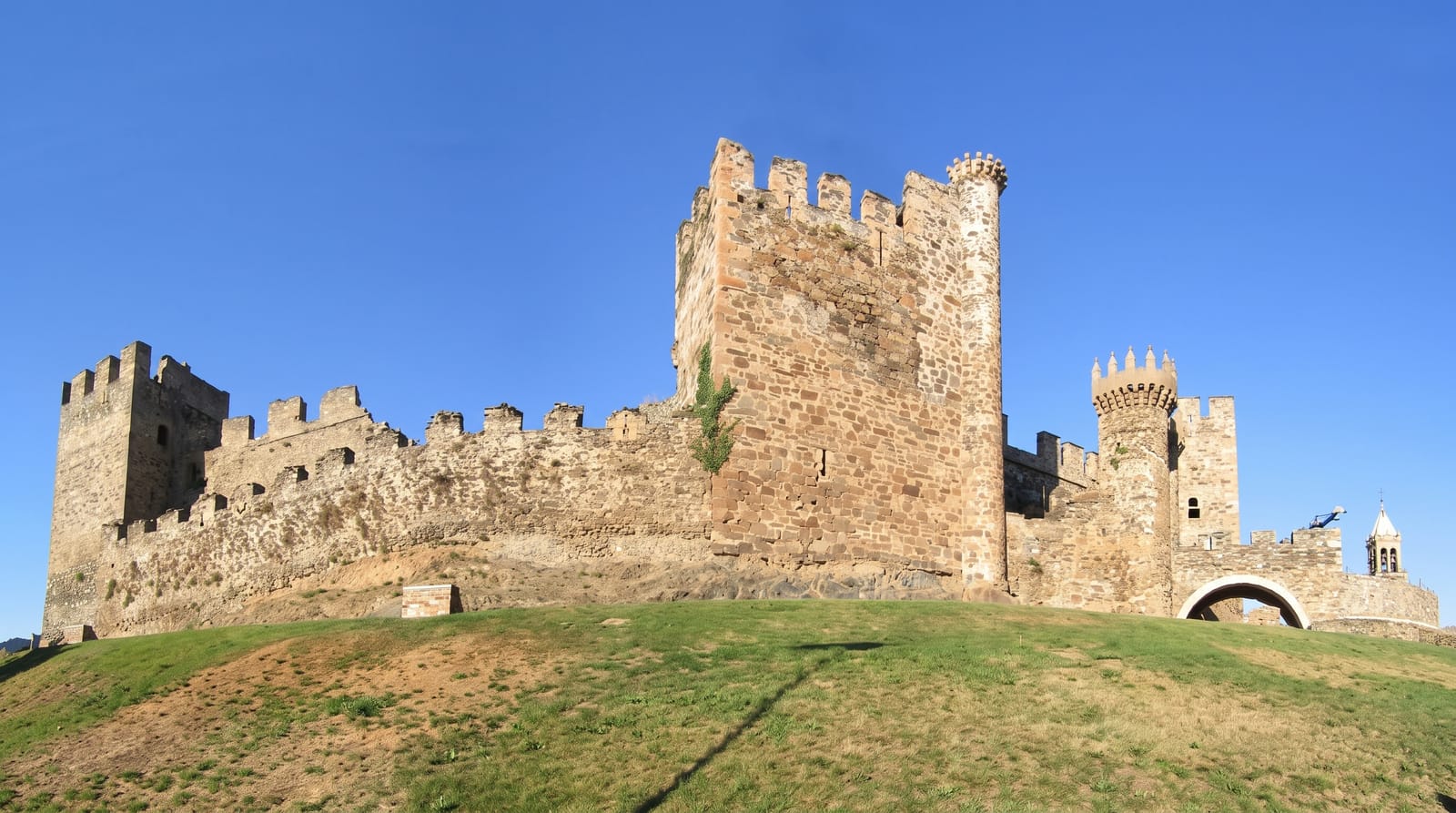
Ponferrada and its Templar castle are northeast; the Bierzo wine country surrounds the area.
What to pack for Las Medulas
Chosen from what this place is for. Tap a kit for the full checklist.
- Broken-in walking shoes or boots - Grip and ankle support matter more than looks; never hike in brand-new boots. Find on Amazon
- Layers + a waterproof shell - Mountain weather turns fast; a packable rain jacket saves the day. Find on Amazon
- Daypack with rain cover - 20-30 litres holds water, snacks, layers and a first-aid kit. Find on Amazon
- Offline maps + a power bank - Download the trail before you lose signal; carry backup charge. Find on Amazon
Some links on this page are Amazon affiliate links - if you buy through them we may earn a small commission at no extra cost to you.
All packing kitsPlan your trip
Where to start if Las Medulas is going on the list.
Booking links on this page are affiliate links - if you book through them we may earn a small commission at no extra cost to you. It never changes what we write about a place.
Opening times, ticket prices and seasonal closures change - check the official source before you go: official site.