El Rastro
A Sunday market spreading down the La Latina streets since the sixteenth century, selling everything and nothing in particular.
Updated 4 September 2026

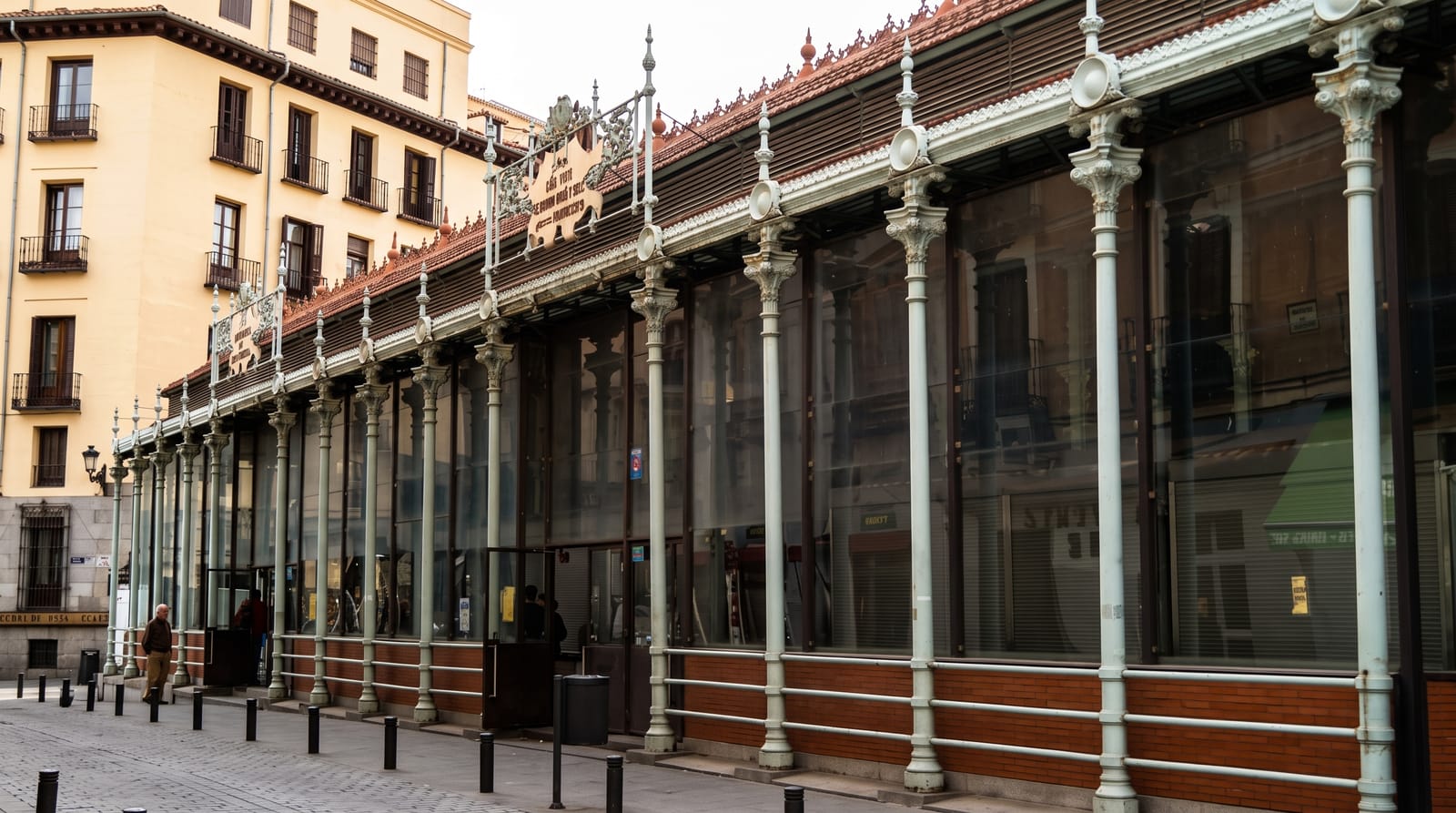
AI illustration
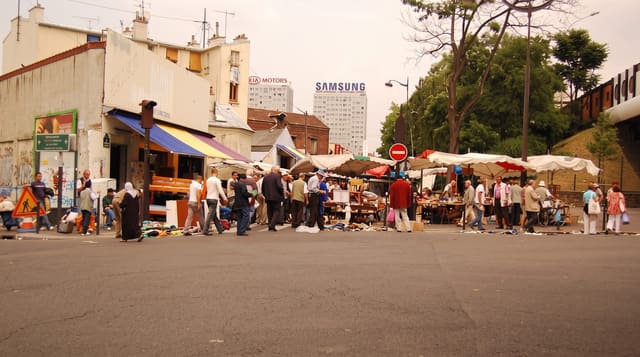
El Rastro has run on Sundays and public holidays since at least the sixteenth century, when the area held the slaughterhouses and tanneries whose trail of blood is said to have given the market its name. It runs down the Ribera de Curtidores and through the surrounding streets from mid-morning to mid-afternoon, with a thousand or more stalls: clothes, secondhand books, records, tools, old postcards, ironmongery, keys, and a substantial amount of cheap new merchandise mixed among the genuine junk. The antique shops around the Plaza del General Vara del Rey open the same day and hold most of the interesting material. When it winds down, the bars of La Latina fill for vermouth, which is the second half of the ritual.
What to look for
- The stall streets - over a thousand pitches through the La Latina lanes.
- The antique shops - permanent dealers around the Plaza General Vara del Rey.
- The secondhand sections - books, records, tools and old paper.
- The vermouth afterward - the bars filling once the market closes.
When to go
Sunday mornings and public holidays, from around nine to three; arriving early gives space to move and the best of the stock. It runs year-round in all weather.
Things to know
Crowds are dense enough that moving through the main street is slow, and pickpocketing is a well-documented problem. Much of the merchandise is cheap new goods rather than genuine flea market material. It closes by mid-afternoon.
Nearby
La Latina's tapas streets adjoin; the Plaza Mayor and the Palacio Real are north.
Key facts
Source: Wikidata, item Q2916187, read on 18 October 2026.
What to pack for El Rastro
Chosen from what this place is for. Tap a kit for the full checklist.
- Broken-in walking shoes or boots - Grip and ankle support matter more than looks; never hike in brand-new boots. Find on Amazon
- Comfortable walking shoes - Sightseeing means kilometres of pavement and cobbles daily. Find on Amazon
- Layers + a waterproof shell - Mountain weather turns fast; a packable rain jacket saves the day. Find on Amazon
- A slim anti-theft daypack - Zips that close properly; keep it in front in crowds and on transit. Find on Amazon
Some links on this page are Amazon affiliate links - if you buy through them we may earn a small commission at no extra cost to you.
All packing kitsPlan your trip
Where to start if El Rastro is going on the list.
Booking links on this page are affiliate links - if you book through them we may earn a small commission at no extra cost to you. It never changes what we write about a place.
Opening times, ticket prices and seasonal closures change - check the official source before you go: official site.