Barranco de Guayadeque
A deep ravine in eastern Gran Canaria where people still live in caves, with almond blossom filling the valley in winter.
Updated 4 September 2026
AI illustration
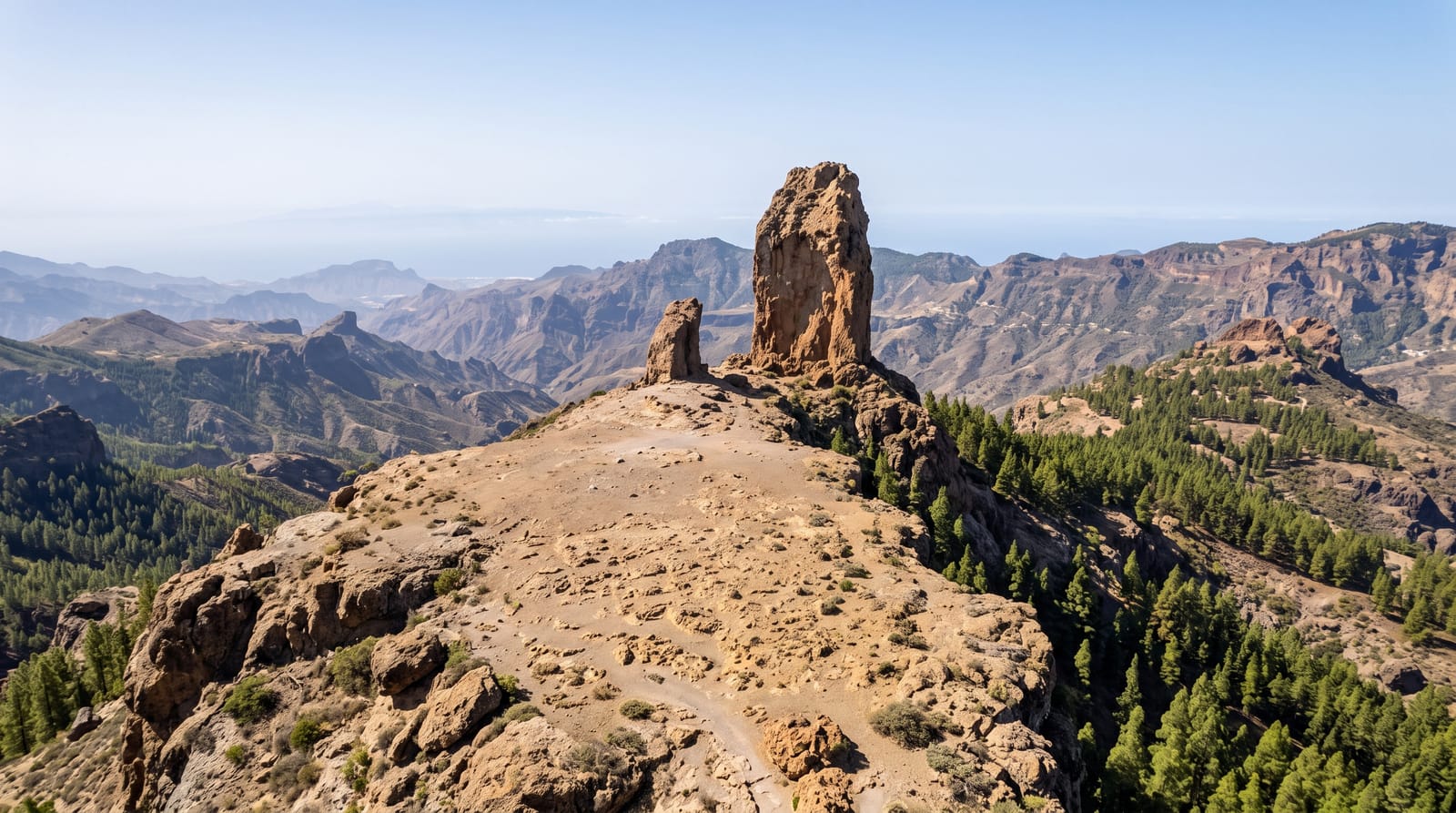
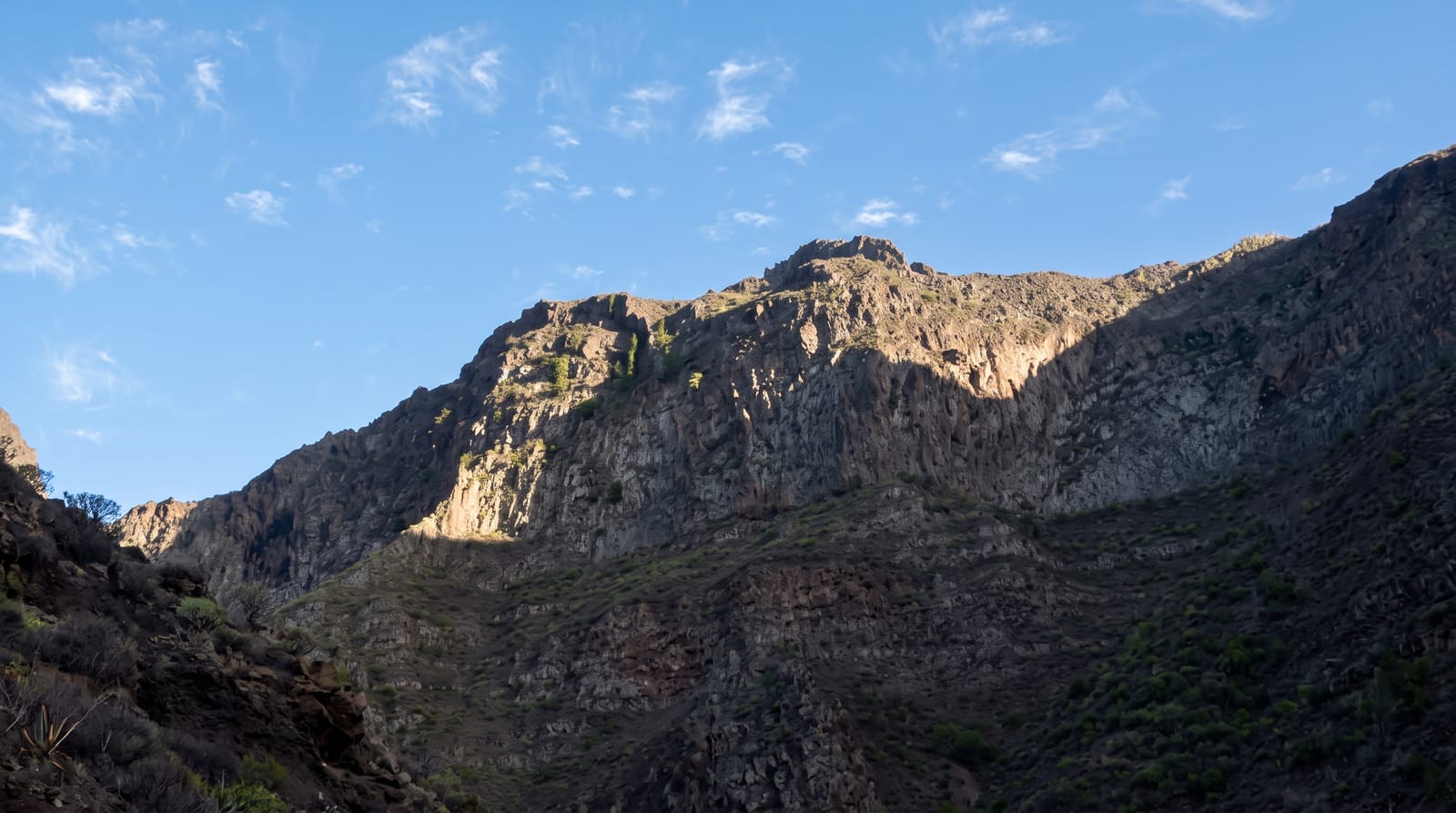
Guayadeque cuts about fifteen kilometres inland from the eastern coast of Gran Canaria, a steep ravine with walls of layered volcanic rock, and it has been inhabited continuously since before the Castilian conquest: the pre-Hispanic Canarians cut dwellings, granaries and burial caves into the soft tuff, and people have gone on living in caves there ever since, with houses that have doors, windows and services set into the rock face. A chapel is cut into the cliff, and two restaurants operate inside caves. An interpretation centre near the mouth covers the archaeology. In January and February the almond trees planted on the terraces flower across the valley, which is a local event with a festival at Tejeda in the island's centre.
The landscape
- The cave dwellings - houses cut into the tuff and still lived in.
- The rock chapel - a church excavated into the cliff face.
- The almond blossom - terraces flowering in January and February.
- The interpretation centre - pre-Hispanic archaeology from the ravine.
When to go
January to March for the almond blossom, which is the valley's set piece; the ravine is accessible year-round. Summer is hot with no shade on the upper terraces.
Good to know
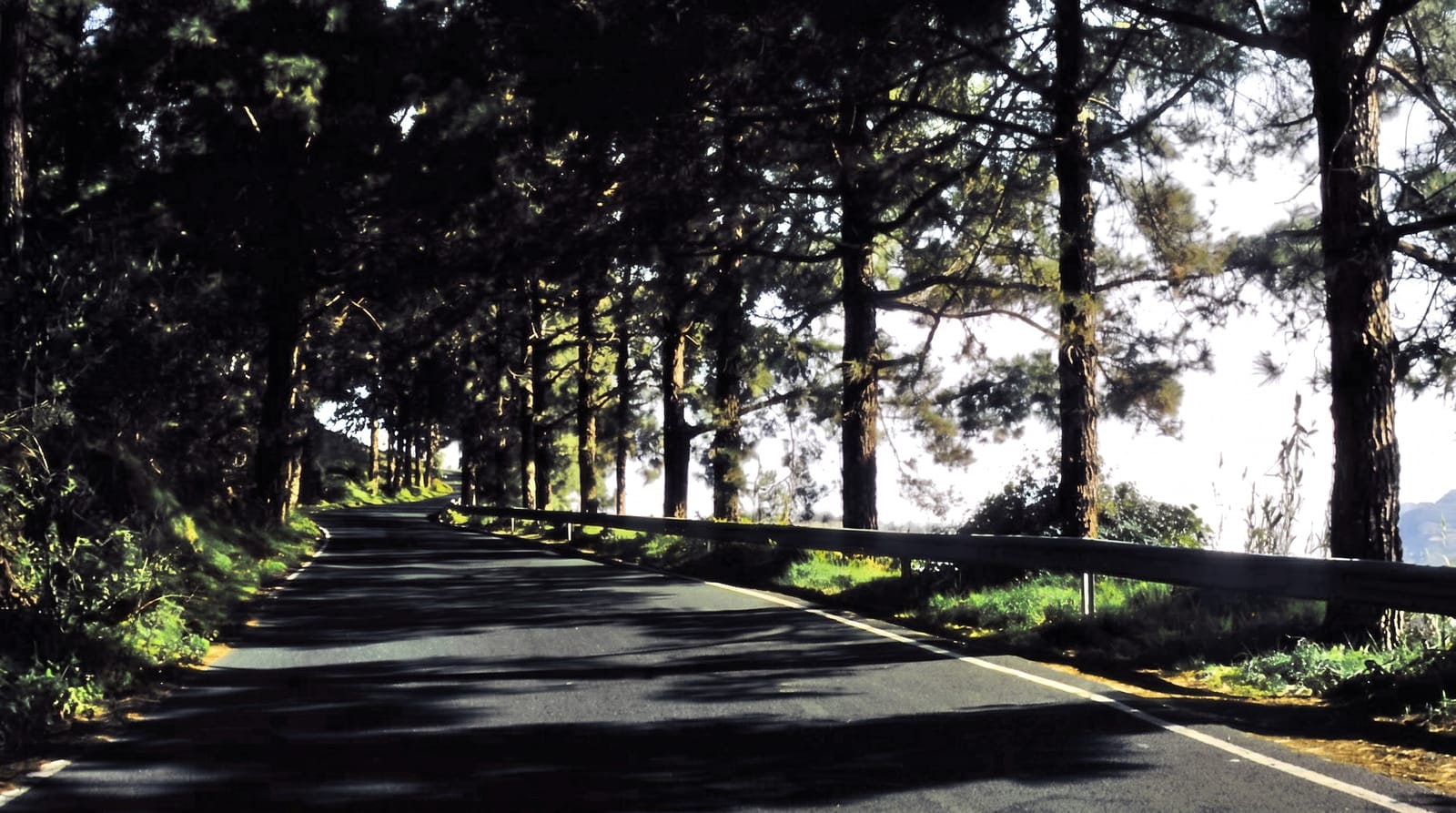
The cave houses are private homes and photographing them closely intrudes. The road up the ravine is narrow with limited passing and parking, and it congests at weekends and during blossom. Cave restaurants book out.
Nearby
Aguimes and Ingenio are at the ravine mouth; Roque Nublo and Tejeda lie in the island's centre.
What to pack for Barranco de Guayadeque
Chosen from what this place is for. Tap a kit for the full checklist.
- Broken-in walking shoes or boots - Grip and ankle support matter more than looks; never hike in brand-new boots. Find on Amazon
- Head torch + spare batteries - Hands-free light is essential; caves are truly dark. Find on Amazon
- Layers + a waterproof shell - Mountain weather turns fast; a packable rain jacket saves the day. Find on Amazon
- Grippy closed shoes - Cave floors are wet, muddy and slick with formations. Find on Amazon
Some links on this page are Amazon affiliate links - if you buy through them we may earn a small commission at no extra cost to you.
All packing kitsPlan your trip
Where to start if Barranco de Guayadeque is going on the list.
Booking links on this page are affiliate links - if you book through them we may earn a small commission at no extra cost to you. It never changes what we write about a place.
Opening times, ticket prices and seasonal closures change - check the official source before you go: official site.