Gapsa Temple
An old temple on the west flank of Gyeryongsan, known for its autumn valley and a rare iron flagpole standing since 679.
Updated 25 August 2026
Gapsa sits on the western slope of Gyeryongsan and is one of the older foundations in the country, traditionally dated to the fifth century, though what stands is Joseon rebuilding after the sixteenth-century wars. The single object most worth seeing is not a hall: a wrought-iron flagpole in the courtyard, made in 679, twenty-four cylindrical iron sections stacked on stone supports, the only complete iron danggan surviving in Korea. The temple also holds a large hanging Buddha painting used outdoors on festival days, a bronze bell, and a stone stupa. The setting is the draw for most visitors - the old Korean saying pairs spring at Donghaksa with autumn at Gapsa, and in late October the valley walk from the gate up through maple and oak is genuinely one of the better ones in the region, which also makes it the most crowded few weekends of the year.
What to look for
- The iron flagpole - twenty-four sections standing since 679.
- The autumn valley - the maple approach from the gate.
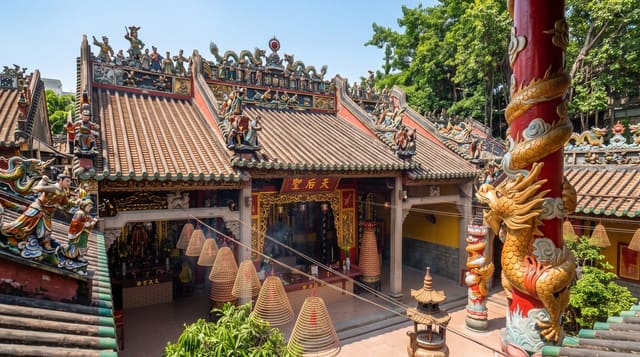
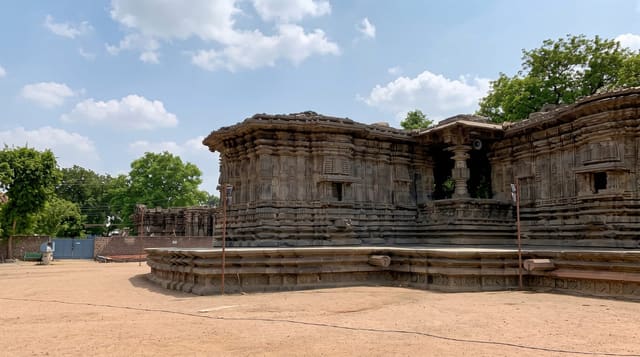
- The Joseon halls - rebuilt after the wars, on the slope.
- The hanging painting - shown outdoors on festival days.
When to go
Late October to early November for the colour, accepting the crowds; April to June is quiet and pleasant. Weekday mornings are far calmer.
Practical notes
Ticketed as part of the national park, with a walk in from the gate. It is a working monastery - halls may be in use. In peak autumn the parking and the path are both full.
Nearby
Donghaksa is on the other side of Gyeryongsan; Gongju's Baekje sites are 20 km off.
What to pack for Gapsa Temple
Chosen from what this place is for. Tap a kit for the full checklist.
- Comfortable walking shoes - Sightseeing means kilometres of pavement and cobbles daily. Find on Amazon
- Modest clothing - Shoulders and knees covered - the single most common requirement. Find on Amazon
- A slim anti-theft daypack - Zips that close properly; keep it in front in crowds and on transit. Find on Amazon
- A scarf or shawl - To cover the head or shoulders on entry; women especially at mosques. Find on Amazon
Some links on this page are Amazon affiliate links - if you buy through them we may earn a small commission at no extra cost to you.
All packing kitsPlan your trip
Where to start if Gapsa Temple is going on the list.
Booking links on this page are affiliate links - if you book through them we may earn a small commission at no extra cost to you. It never changes what we write about a place.
Opening times, ticket prices and seasonal closures change - check the official source before you go: official site.