Two Oceans Aquarium
A Cape Town aquarium built around cold Atlantic kelp and warm Indian Ocean reef, with a turtle rehabilitation unit.
Updated 21 October 2026
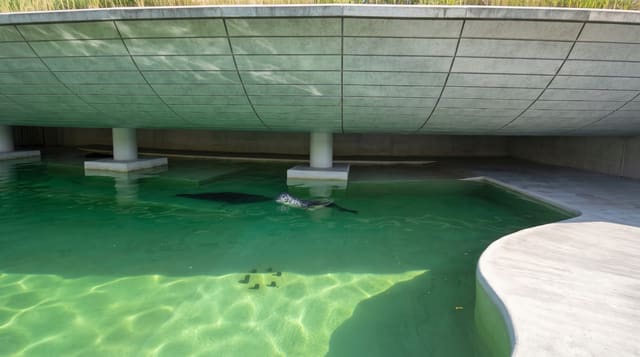
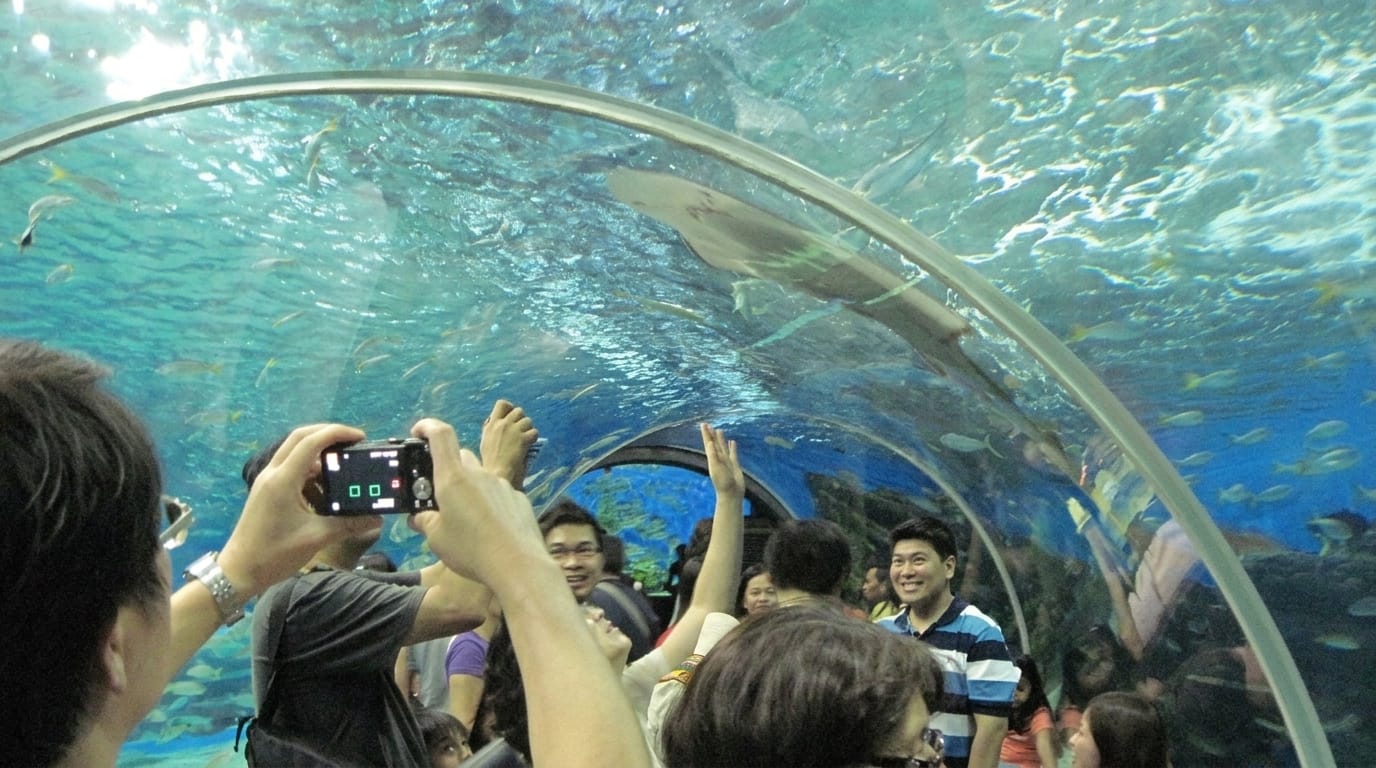
The aquarium opened in 1995 and is organised around the contrast that gives it its name: the cold nutrient-rich Atlantic on the west of the Cape and the warm Indian Ocean on the east. The Kelp Forest tank is the one people remember - a tall column of living kelp with surge machinery moving it, lit from above, showing what the water off Cape Town actually looks like below the surface. The Indian Ocean gallery is the opposite, warm and reef-coloured, and there is a large predator exhibit, holding two million litres, with ragged-tooth sharks and rays. The turtle conservation centre is the part with real substance: hatchlings washed up on Cape beaches after being swept south by the Agulhas current are rehabilitated and released, and the unit treats and releases adult loggerheads too. It is compact, and two to three hours covers it properly.
Highlights
- The Kelp Forest - a tall column of living kelp moved by surge machinery.
- The two-ocean contrast - cold Atlantic galleries against warm Indian Ocean reef.
- The predator exhibit - ragged-tooth sharks and rays in the large tank.
- The turtle unit - stranded hatchlings and adults rehabilitated and released.
When to go
All year. Two to three hours. Weekday mornings; school holidays are very busy.
Practical notes
It is smaller than large international aquariums and the ticket is not cheap. Crowds in holidays make the tunnel and main tanks hard to see. The turtle unit has restricted viewing depending on the animals in care. Feeding times drive the crowds - check the schedule.
Nearby
The V&A Waterfront quays surround it; the Zeitz MOCAA is a short walk.
Key facts
Source: Wikidata, item Q1783786, read on 18 October 2026.
What to pack for Two Oceans Aquarium
Chosen from what this place is for. Tap a kit for the full checklist.
- Reef-safe sunscreen - High SPF that will not bleach the coral you are swimming over. Find on Amazon
- Binoculars - The single best wildlife tool - even a compact pair transforms a sighting. Find on Amazon
- Comfortable walking shoes - Sightseeing means kilometres of pavement and cobbles daily. Find on Amazon
- Quick-dry towel - A microfibre towel packs small and dries in minutes. Find on Amazon
Some links on this page are Amazon affiliate links - if you buy through them we may earn a small commission at no extra cost to you.
All packing kitsPlan your trip
Where to start if Two Oceans Aquarium is going on the list.
Booking links on this page are affiliate links - if you book through them we may earn a small commission at no extra cost to you. It never changes what we write about a place.
Opening times, ticket prices and seasonal closures change - check the official source before you go: official site.