Harold Porter Botanical Garden
A coastal fynbos garden running from the beach into a mountain kloof with waterfalls and disas in season.
Updated 21 October 2026
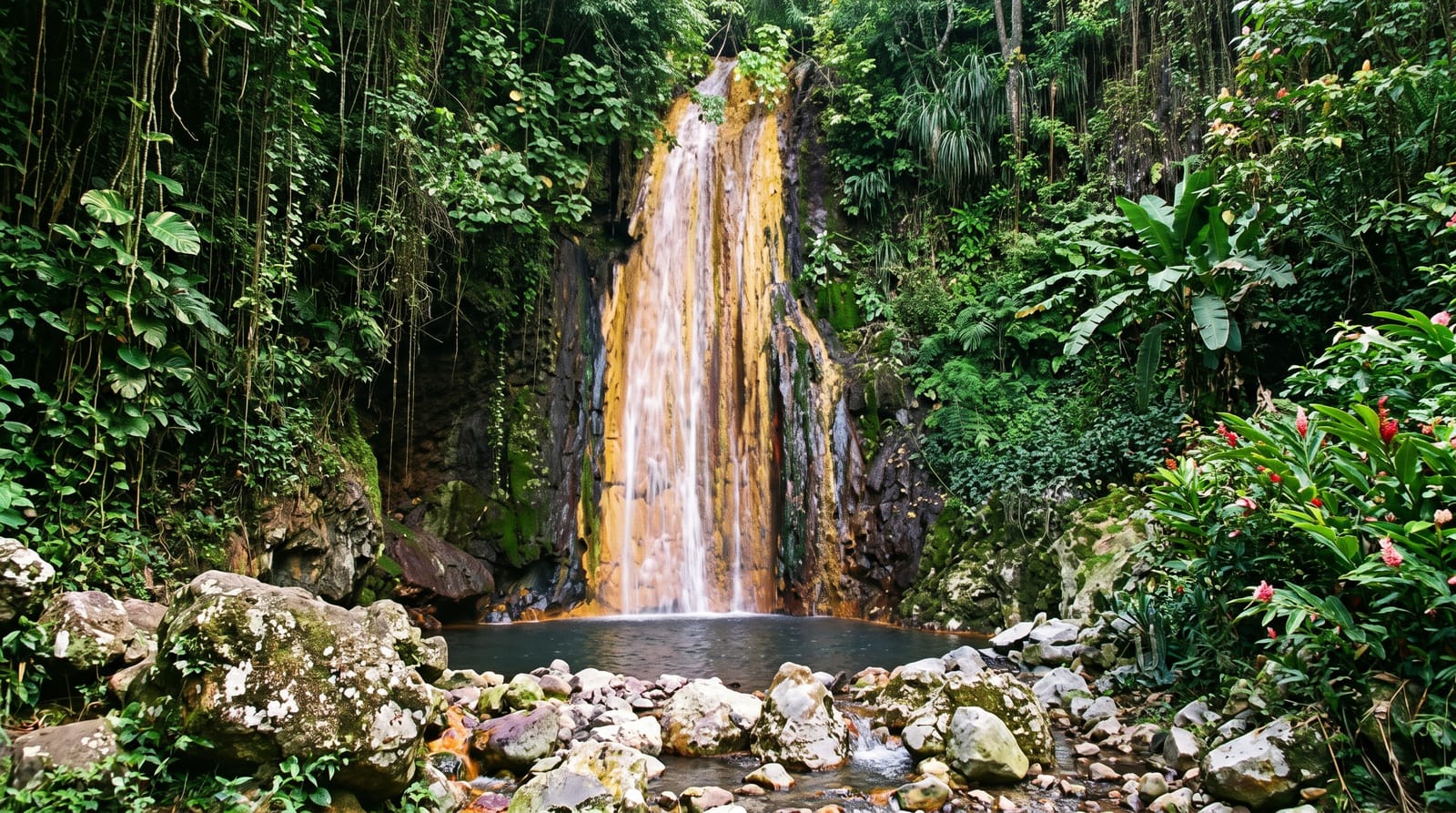
Harold Porter covers about two hundred hectares between the sea and the Kogelberg mountains, and only about ten hectares is cultivated garden - the rest is wild fynbos running up into two steep kloofs, with some 1,600 plant species recorded. The land was bought in 1939 by Harold Porter and two partners and passed to the state after his death. The cultivated section has proteas, ericas and restios laid out on paths, but the walk everyone remembers is up Disa Kloof, a narrow ravine of indigenous forest along a stream to a waterfall. The red disa, an orchid that grows on wet rock faces, flowers there in late summer and is the reason the kloof gets busy in February. Leopard Kloof next door needs a permit and a key from the office because the path involves ladders. Sunbirds and sugarbirds work the proteas, baboons pass through, and the whole garden sits inside the Kogelberg biosphere, which holds the densest fynbos diversity anywhere.
The landscape
- Disa Kloof - a forested ravine walk to a waterfall through the wild part of the garden.
- The red disas - orchids flowering on wet rock faces in late summer.
- The fynbos beds - proteas, ericas and restios in the cultivated section.
- Leopard Kloof - a ladder route needing a permit and a key from the office.
When to go
August to November for general flowering; January to March for the disas. Two to three hours. Gates close mid-afternoon in winter.
Things to know
Leopard Kloof requires booking, a key and a deposit, and closes when the stream is high. Baboons in the garden take food from bags. Paths in the kloofs are wet and slippery. The garden closes earlier than people expect.
Nearby
Stony Point penguins are minutes away; Kogelberg reserve is inland.
Key facts
Source: Wikidata, item Q5662054, read on 18 October 2026.
What to pack for Harold Porter Botanical Garden
Chosen from what this place is for. Tap a kit for the full checklist.
- Binoculars - The single best wildlife tool - even a compact pair transforms a sighting. Find on Amazon
- Comfortable walking shoes - Sightseeing means kilometres of pavement and cobbles daily. Find on Amazon
- A zoom camera or long lens - Animals rarely come close; reach beats megapixels. Find on Amazon
- A slim anti-theft daypack - Zips that close properly; keep it in front in crowds and on transit. Find on Amazon
Some links on this page are Amazon affiliate links - if you buy through them we may earn a small commission at no extra cost to you.
All packing kitsPlan your trip
Where to start if Harold Porter Botanical Garden is going on the list.
Booking links on this page are affiliate links - if you book through them we may earn a small commission at no extra cost to you. It never changes what we write about a place.
Opening times, ticket prices and seasonal closures change - check the official source before you go: official site.