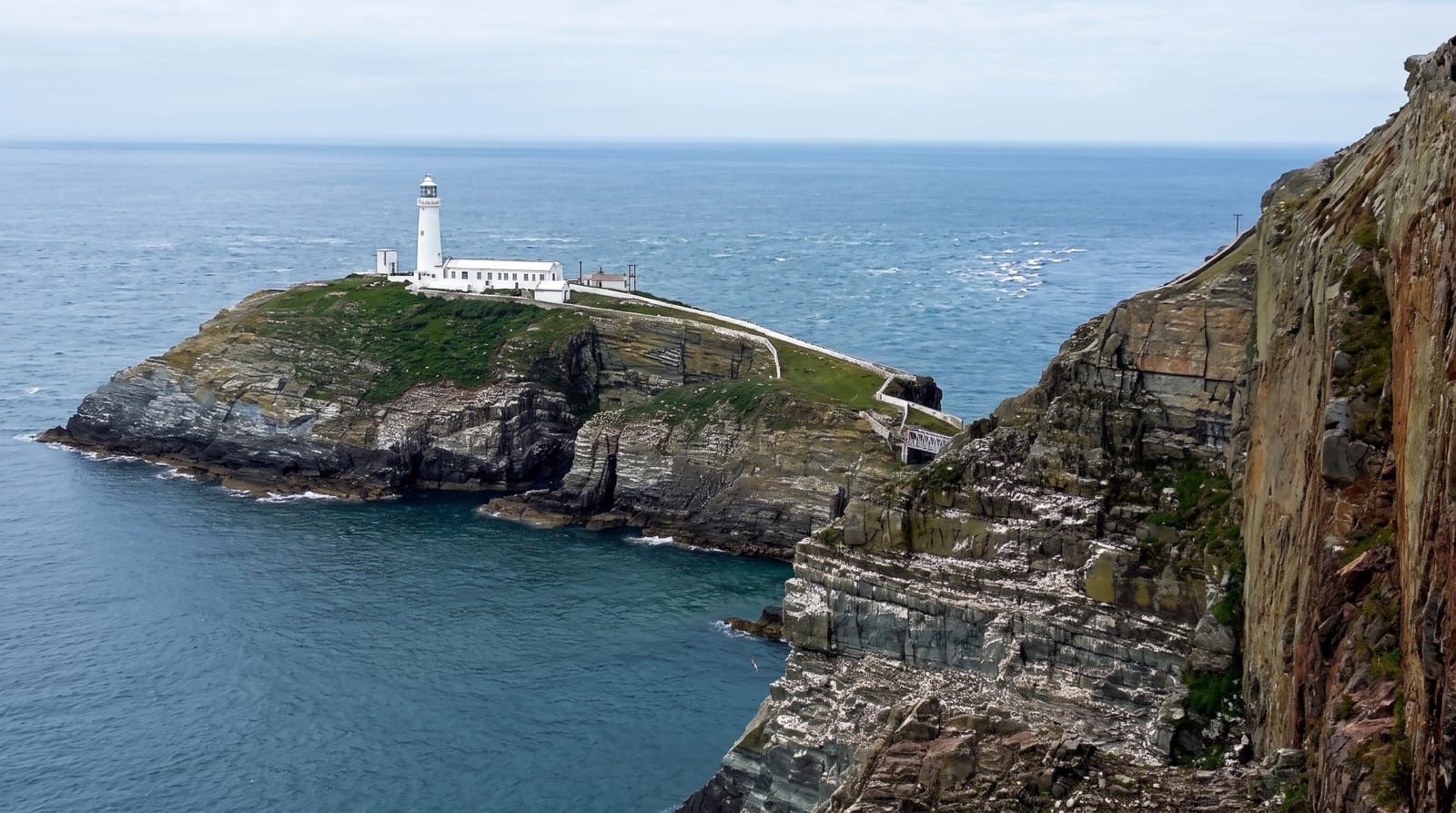
Cape Columbine Lighthouse
The last manned lighthouse built in South Africa, on granite boulders where ships from Europe first see the coast.
Updated 21 October 2026
Cape Columbine was commissioned in 1936, the last manned lighthouse constructed in South Africa, and it stands on Castle Rock among granite boulders on a coast that is often the first land sighted by ships coming round from Europe. The fifteen-metre tower, designed by H. C. Cooper, puts the light some eighty metres above the sea, and it was switched on at sunset on 1 October 1936; the cape is named after the ship Columbine, wrecked here in 1829. Its light is powerful - the beam is quoted as one of the strongest on this coast, visible some fifty kilometres out. Around it, Columbine Nature Reserve covers a stretch of rocky shore and coastal fynbos with the boulder-strewn Tietiesbaai campsite, tidal pools, and in spring a flowering of coastal annuals. The village of Paternoster nearby is whitewashed fishing cottages and crayfish restaurants and has become a weekend destination. The wind here is constant and the water very cold; the appeal is the granite, the light and the emptiness rather than swimming.
The main sights
- The 1936 light - the last manned lighthouse built in the country.
- The granite shore - boulder coast at Tietiesbaai with tidal pools between them.
- The beam - one of the strongest on the coast, visible far out to sea.
- The spring flowers - coastal annuals through the reserve in season.
When to go
August to October for flowers; all year for the coast. Two hours.
Things to know
Wind is relentless on this shore. The water is cold Atlantic and swimming is brief. Camping at Tietiesbaai is exposed and basic. The lighthouse interior is not always open to visitors - check before driving out.
Nearby
Paternoster is minutes away; the West Coast National Park is south.
Key facts
Source: Wikidata, item Q13035114, read on 18 October 2026.
What to pack for Cape Columbine Lighthouse
Chosen from what this place is for. Tap a kit for the full checklist.
- Travel rod + reel - A packable multi-piece rod fits in a case and covers most holiday fishing. Find on Amazon
- Reef-safe sunscreen - High SPF that will not bleach the coral you are swimming over. Find on Amazon
- Comfortable walking shoes - Sightseeing means kilometres of pavement and cobbles daily. Find on Amazon
- Shelter suited to the place - Tent, tarp or hut booking - match it to the terrain and rules. Find on Amazon
Some links on this page are Amazon affiliate links - if you buy through them we may earn a small commission at no extra cost to you.
All packing kitsPlan your trip
Where to start if Cape Columbine Lighthouse is going on the list.
Booking links on this page are affiliate links - if you book through them we may earn a small commission at no extra cost to you. It never changes what we write about a place.
Opening times, ticket prices and seasonal closures change - check the official source before you go: official site.