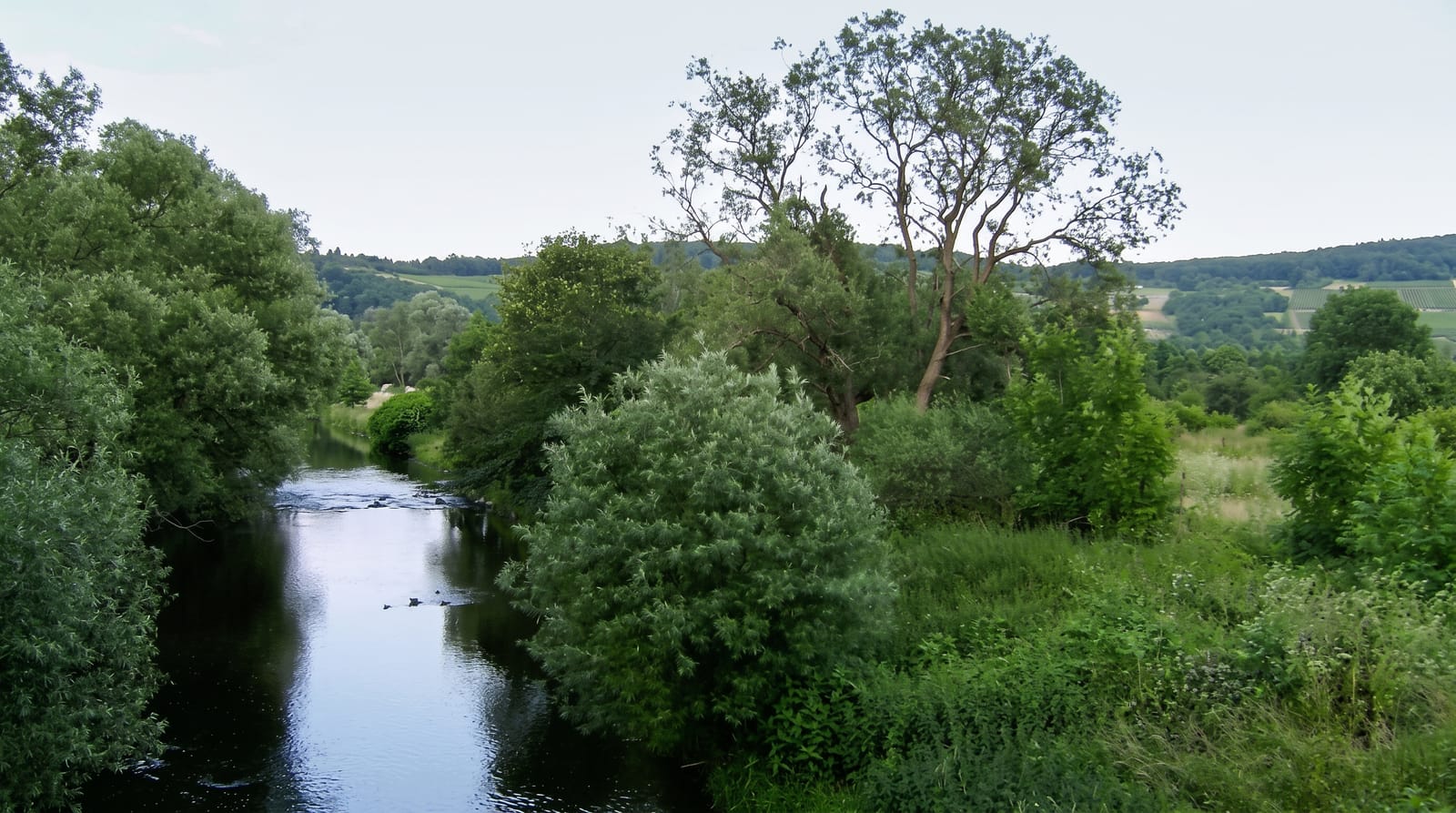
Vipava Valley
A wine valley between the Karst and the Alps, growing local varieties and swept by the burja wind.
Updated 22 October 2026
The Vipava valley runs east to west between the Trnovo plateau and the Karst, catching Mediterranean warmth from one end and cold air spilling off the mountains at the other. That cold air is the burja, a downslope wind that reaches destructive speeds in winter and has shaped how the villages are built, with stones on roofs and houses turned away from it. The wines include two varieties grown almost nowhere else, Zelen and Pinela, alongside Rebula and Merlot.
History
In Roman times the river, called fluvius frigidus, the cold river, lay in the region of Venetia et Histria, and in 14 AD the legion XIII Gemina built the Via Gemina along the valley. In the Middle Ages the upper eastern part, with the town of Vipava, belonged to the Duchy of Carniola and the lower western part to the County of Gorizia and Gradisca (Wikipedia, Vipava Valley).
The main sights
- Zelen and Pinela - white varieties grown here and almost nowhere else.
- The burja - the winter downslope wind that shapes building and farming in the valley.
- The hill villages - Vipavski Kriz, Goce and others above the valley floor.
- The cellars - family wineries taking visitors by arrangement.
When to go
April to October; harvest in September and October is the busiest and best for cellar visits. Spring blossom in the orchards is good. The burja blows hardest between November and March and can close roads to high vehicles.
Things to know
Cellars are family operations and most need booking rather than dropping in. The burja is genuinely dangerous for caravans and high-sided vehicles on the exposed motorway stretch. Public transport between the villages is poor.
Nearby
Stanjel is south, and Nova Gorica is west.
What to pack for Vipava Valley
Chosen from what this place is for. Tap a kit for the full checklist.
- A reusable bag or container - For market produce and cutting down on packaging. Find on Amazon
- Wet wipes + hand sanitiser - Street food and washbasins do not always go together. Find on Amazon
Some links on this page are Amazon affiliate links - if you buy through them we may earn a small commission at no extra cost to you.
All packing kitsPlan your trip
Where to start if Vipava Valley is going on the list.
Booking links on this page are affiliate links - if you book through them we may earn a small commission at no extra cost to you. It never changes what we write about a place.
Opening times, ticket prices and seasonal closures change - check the official source before you go: official site.