Sine Ngayene Stone Circles
The largest of the Senegambian stone circle groups, more than fifty circles of laterite pillars over burial mounds.
Updated 1 September 2026
UNESCO World Heritage
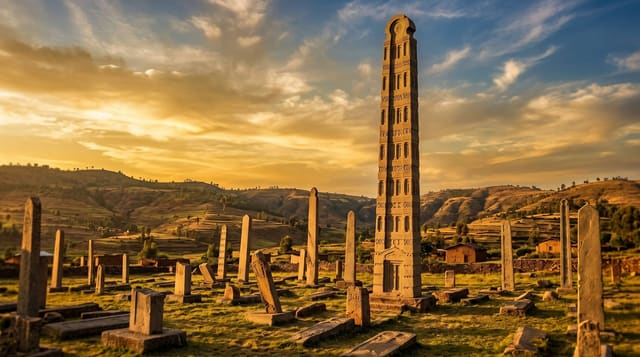
Sine Ngayène holds the largest concentration of stone circles in the Senegambian group inscribed by UNESCO in 2006: over fifty circles built from shaped laterite pillars, standing over burials that excavation has dated across a long span between roughly the third century BC and the sixteenth century AD. The pillars were quarried nearby, cut into cylinders and lyre shapes, and set in rings, some of them double. The site is flat, open savannah with the stones standing clear of the grass.
Highlights
- The circles - more than fifty rings of shaped laterite pillars across the site.
- The pillar forms - cylinders and the distinctive lyre-shaped stones cut from single blocks.
- The double circles - rings set inside rings, among the more elaborate arrangements.
- The quarry - the source of the laterite a short distance from the monuments.
When to go
November to March is the cool dry season and the only comfortable window; this is a hot open site with no shade. Early morning gives the best light on the stones. The rains from July make the track difficult.
What to expect
There is almost no interpretation on site and a local guide makes the difference between stones in a field and a monument. The access track is rough. There is no shade, no water and no facilities.
Nearby
Wanar is northwest, Kaolack is northwest on the main road, and the Gambian border is south.
What to pack for Sine Ngayene Stone Circles
Chosen from what this place is for. Tap a kit for the full checklist.
- Comfortable walking shoes - Sightseeing means kilometres of pavement and cobbles daily. Find on Amazon
- A slim anti-theft daypack - Zips that close properly; keep it in front in crowds and on transit. Find on Amazon
- A refillable water bottle - Many cities have public fountains; save money and plastic. Find on Amazon
- A light layer + compact umbrella - For museum air-con and a sudden shower. Find on Amazon
Some links on this page are Amazon affiliate links - if you buy through them we may earn a small commission at no extra cost to you.
All packing kitsPlan your trip
Where to start if Sine Ngayene Stone Circles is going on the list.
Booking links on this page are affiliate links - if you book through them we may earn a small commission at no extra cost to you. It never changes what we write about a place.
Opening times, ticket prices and seasonal closures change - check the official source before you go: official site.