The Saint Lucia Parrot
An endemic amazon down to about a hundred birds in the 1970s, brought back by a campaign that made it a national symbol.
Updated 3 September 2026
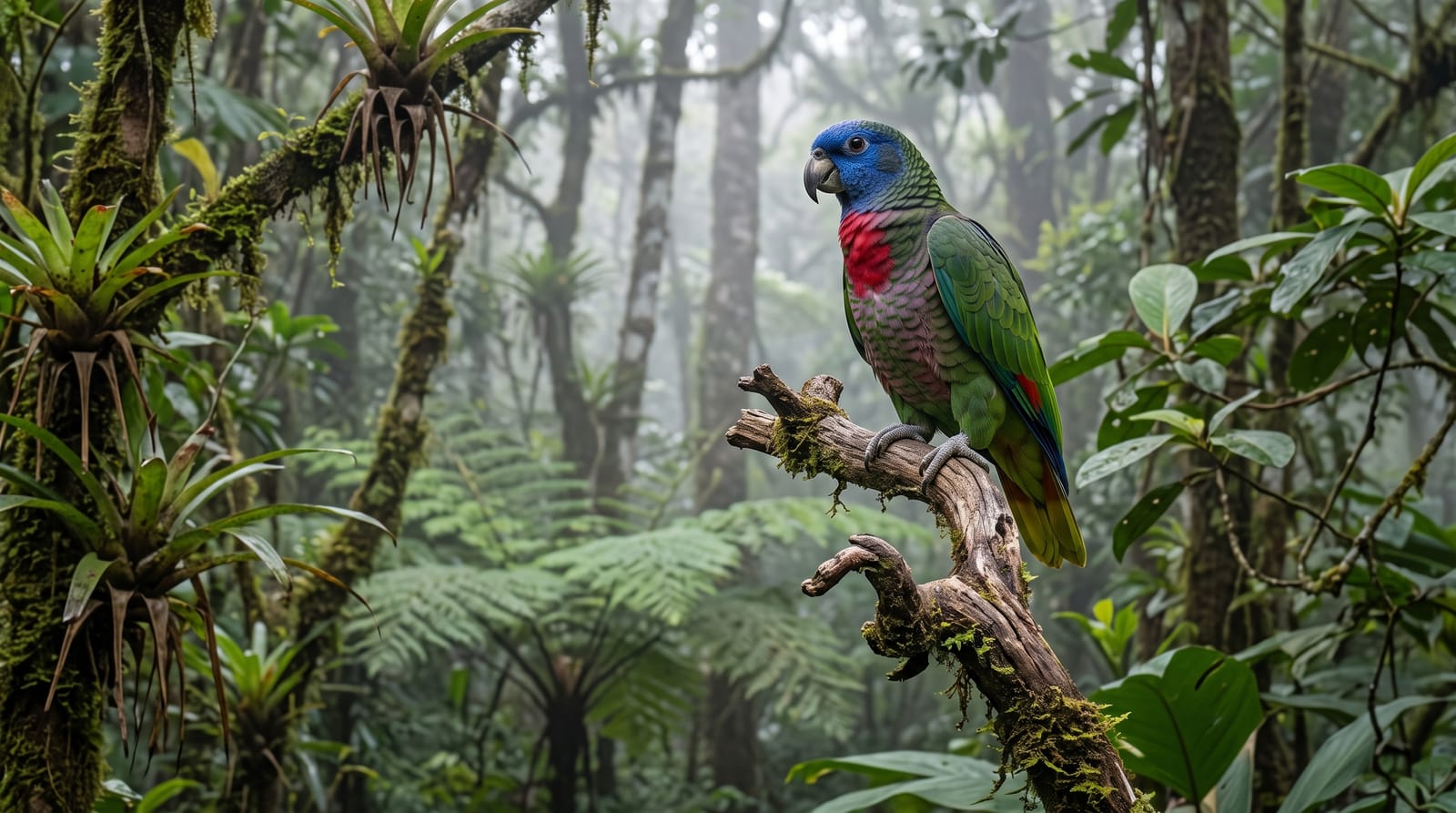
AI illustration
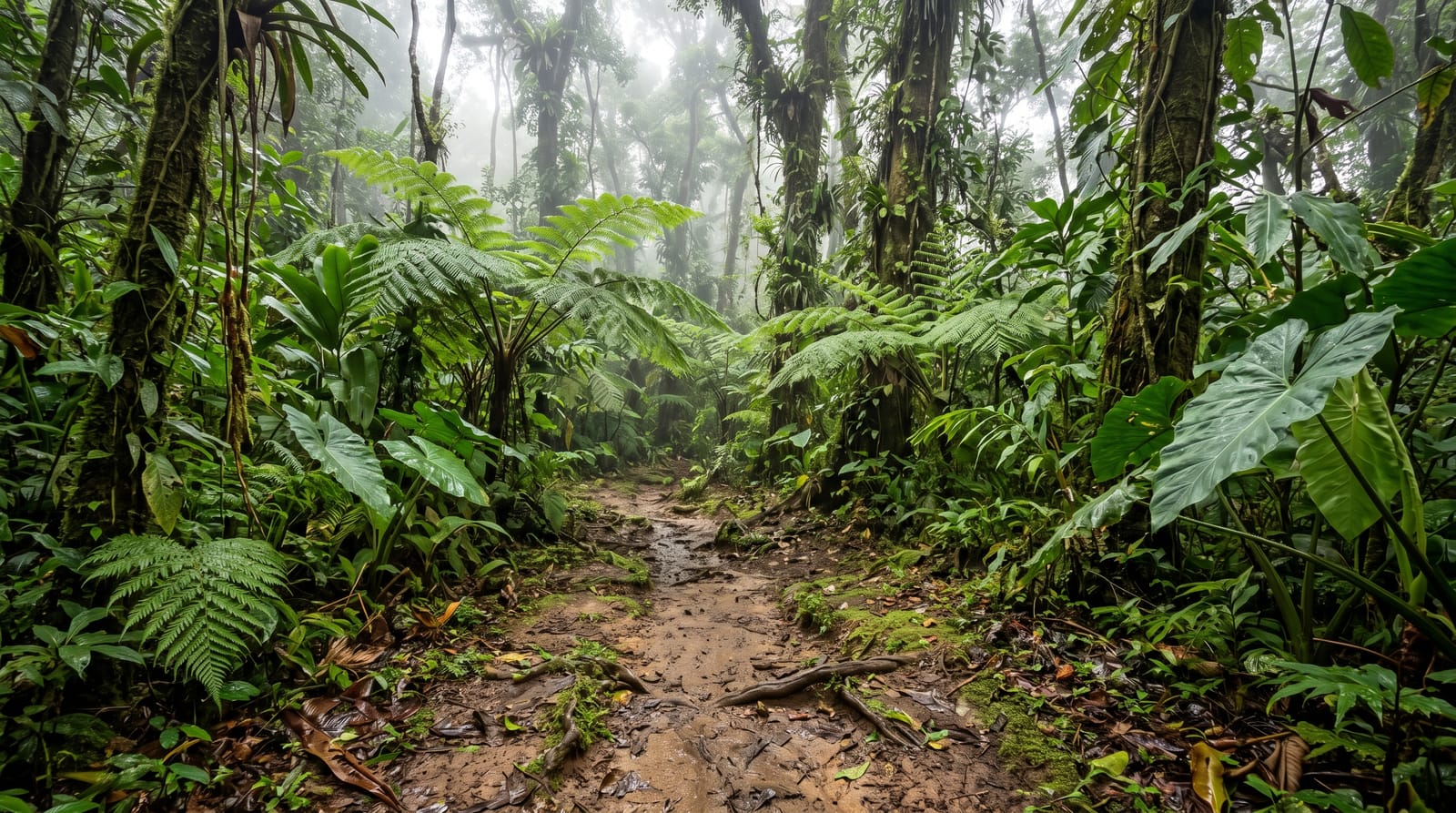
The Saint Lucia amazon, called the jacquot locally, is green with a blue face and a red breast and lives only in the island's central rainforest. By the mid-1970s hunting, the pet trade and habitat loss had cut it to somewhere around a hundred birds. What turned it round was less enforcement than persuasion: a conservation programme built around making the parrot a national symbol, taught in schools and put on the flag of the forestry department, alongside a hunting ban and habitat protection. The population is now well over a thousand. It is one of the more convincing conservation stories in the region.
What's there
- The jacquot - green with a blue face and red breast, found only here.
- The Millet trail - the most accessible reserve for seeing them.
- Dawn and dusk flights - when pairs move and call across the valleys.
- The recovery story - built on national identity as much as enforcement.
When to go
December to April is the drier season. Dawn and the hour before dark are when the birds move and call. The Millet reserve above Roseau is the most accessible site and the easiest to arrange. A forestry guide is compulsory in the reserves.
Before you go
Parrots are heard far more often than seen, and a morning can pass with calls and no sighting. Guides are compulsory in the reserves and the fee applies. Trails are muddy in every season. The recovery is real but the population remains small enough that a hurricane or a disease outbreak could undo it.
Nearby
The Millet reserve is above Roseau; Edmund is above Soufrière.
What to pack for The Saint Lucia Parrot
Chosen from what this place is for. Tap a kit for the full checklist.
- Broken-in walking shoes or boots - Grip and ankle support matter more than looks; never hike in brand-new boots. Find on Amazon
- Strong insect repellent - DEET or picaridin; the jungle is where bites and disease risk are highest. Find on Amazon
- Layers + a waterproof shell - Mountain weather turns fast; a packable rain jacket saves the day. Find on Amazon
- Long, light, quick-dry clothing - Covers skin from insects and sun without cooking you in the humidity. Find on Amazon
Some links on this page are Amazon affiliate links - if you buy through them we may earn a small commission at no extra cost to you.
All packing kitsPlan your trip
Where to start if The Saint Lucia Parrot is going on the list.
Booking links on this page are affiliate links - if you book through them we may earn a small commission at no extra cost to you. It never changes what we write about a place.
Opening times, ticket prices and seasonal closures change - check the official source before you go: official site.