Faberge Museum
Nine imperial Easter eggs in a restored palace on the Fontanka, brought back from a collection sold abroad.
Saved in this browser only - no account, nothing sent anywhere. See your map
The house of Faberge made fifty imperial Easter eggs for Alexander III and Nicholas II between 1885 and 1916, one or two a year, each opening to a surprise inside, and after 1917 most were sold abroad by the Soviet state for currency. Nine of them are here, including the first, the Hen egg of 1885, and the last completed one, the Order of St George of 1916 - bought as a group in 2004 from the Forbes collection in New York before it went to auction, and shown in this museum since 2013. The rest of the collection runs to several thousand objects of Russian decorative art: silver, enamel, cigarette cases, clocks, icons in worked frames. The building is the Shuvalov Palace on the Fontanka, restored for the purpose, with painted ceilings and a staircase that is part of the visit. Entry is timed and the egg room is small, so it is a slow shuffle at busy times.
What you actually see
- Nine imperial eggs - including the first of 1885 and the last completed in 1916.
- The surprises - the miniatures and mechanisms held inside the eggs.
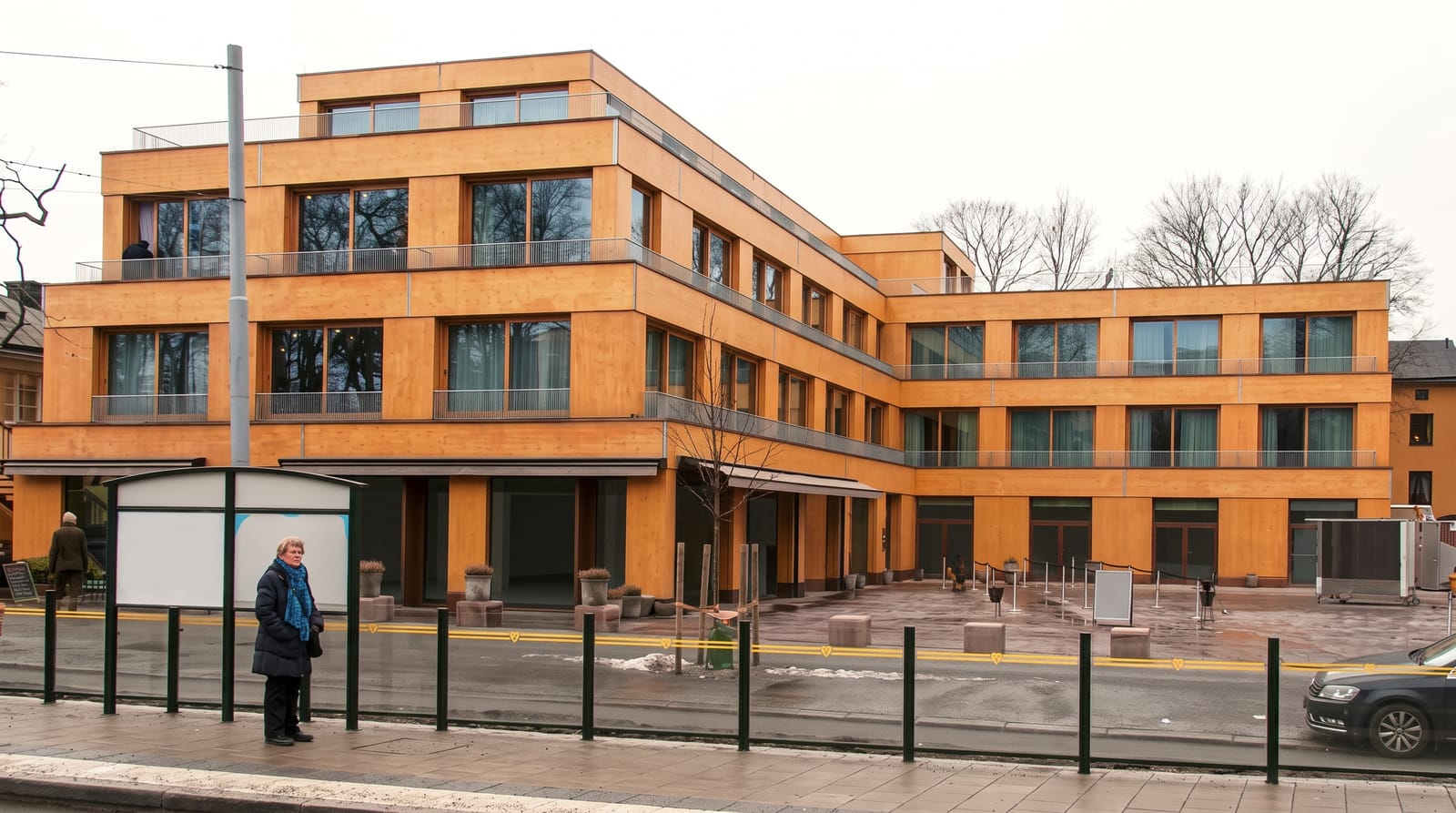
- The Shuvalov Palace - a restored eighteenth-century house with painted ceilings.
- The wider collection - silver, enamel and Russian decorative work in quantity.
When to go
All year. Two hours. Book timed tickets ahead; mornings are quieter.
Honest expectations
The egg room is small and crowded and you move slowly through it. Photography rules vary and are enforced. Tickets are timed and sell out at weekends. It is a private museum with prices to match.
Nearby
Nevsky Prospekt is a short walk; the Anichkov bridge is at the corner.
What to pack for Faberge Museum
Chosen from what this place is for. Tap a kit for the full checklist.
Opening times, ticket prices and seasonal closures change - check the official source before you go: official site.