Ponte de Lima
The oldest vila in Portugal, chartered in 1125, around a bridge with Roman foundations over the Lima river.
Updated 22 October 2026
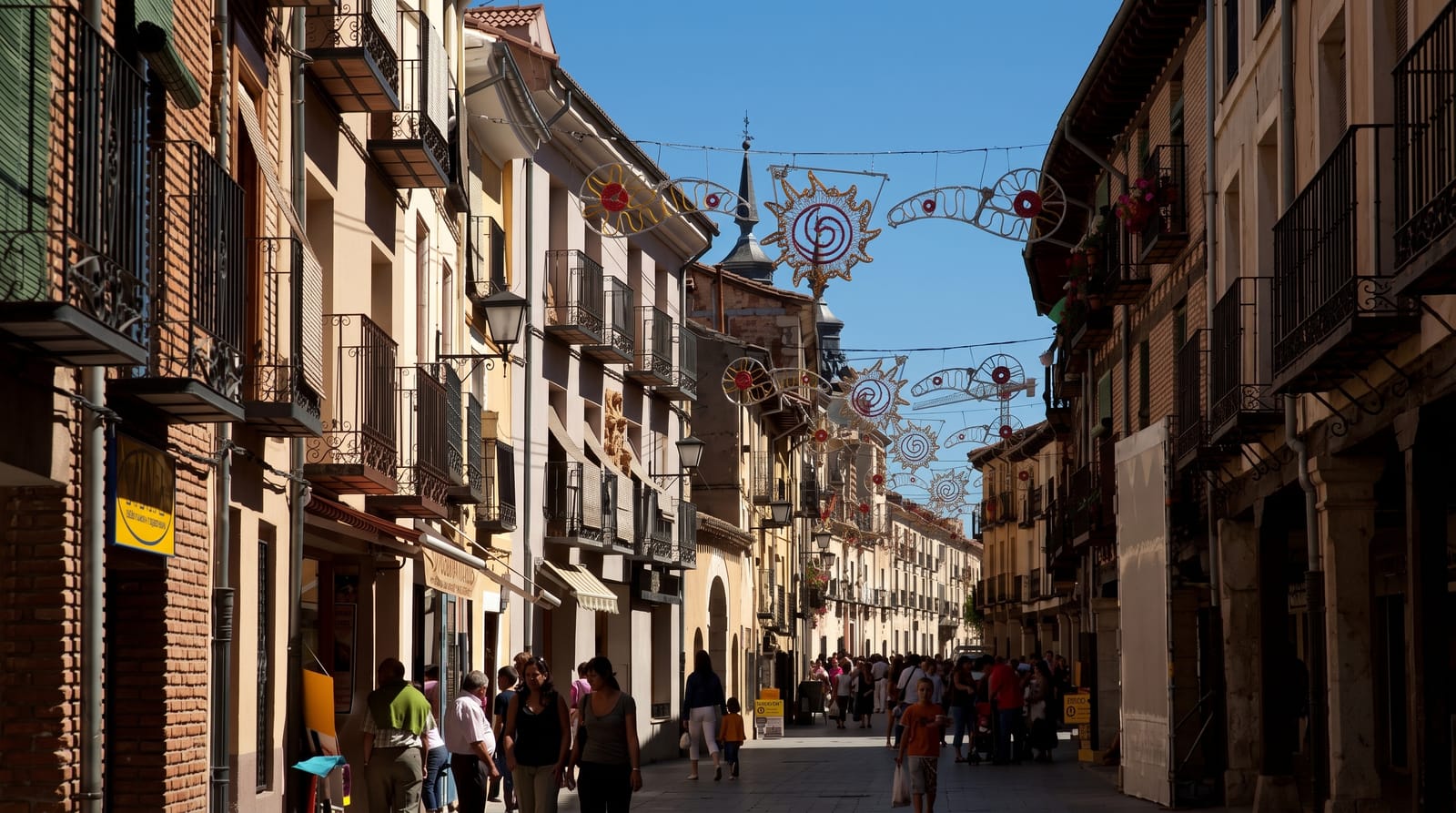
Ponte de Lima received its charter from Teresa of León in 1125, which makes it the oldest vila in Portugal, and it is named for the bridge: a crossing with Roman foundations, part of the road from Braga to Astorga, rebuilt in the fourteenth century and still carrying foot traffic across the Lima. A Roman legend attaches to the river - soldiers are said to have refused to cross, believing it was the Lethe of myth, until their commander crossed alone and called each man by name from the far bank to prove memory survived - and bronze figures of legionaries stand on the far side commemorating it. The town has a riverside avenue of plane trees, a market held fortnightly since the twelfth century, granite houses and manor quintas around it, and it is the centre of vinho verde production. The riverbank has sand and is used as a beach in summer.
History
The area has been inhabited for over 3,000 years, with Iron Age hillforts at Monte das Santas and Monte de Santo Ovídio, and the Roman road Via XIX from Braga to Astorga crossed the Lima here. Countess Teresa and her son Afonso Henriques granted the town its charter on 4 March 1125, the earliest record of its market, and its walls were begun under Pedro I in 1359 and completed by 1370 (Wikipedia, Ponte de Lima).
Highlights
- The bridge - Roman foundations under a fourteenth-century rebuild across the Lima.
- The legionary figures - bronzes recalling the Lethe legend on the far bank.
- The fortnightly market - held since the twelfth century along the riverfront.
- The vinho verde country - quintas and vineyards throughout the surrounding valley.
When to go
April to October. Half a day. The market runs fortnightly on Mondays; the Feiras Novas festival in September is the town's largest.
Practical notes
Small - the historic core takes an hour or two. Very busy during the September festival and on market days. Rain in the Minho is frequent even in summer. Museums keep limited hours.
Nearby
Viana do Castelo is west at the river mouth; Peneda-Gerês is east up the valleys.
Key facts
Source: Wikidata, item Q490180, read on 18 October 2026.
What to pack for Ponte de Lima
Chosen from what this place is for. Tap a kit for the full checklist.
- Comfortable walking shoes - Sightseeing means kilometres of pavement and cobbles daily. Find on Amazon
- A slim anti-theft daypack - Zips that close properly; keep it in front in crowds and on transit. Find on Amazon
- A refillable water bottle - Many cities have public fountains; save money and plastic. Find on Amazon
- A light layer + compact umbrella - For museum air-con and a sudden shower. Find on Amazon
Some links on this page are Amazon affiliate links - if you buy through them we may earn a small commission at no extra cost to you.
All packing kitsPlan your trip
Where to start if Ponte de Lima is going on the list.
Booking links on this page are affiliate links - if you book through them we may earn a small commission at no extra cost to you. It never changes what we write about a place.
Opening times, ticket prices and seasonal closures change - check the official source before you go: official site.