Castelo de Vide
A flower-filled hill town in the Alto Alentejo with a castle, springs and one of Portugal's best-preserved Jewish quarters.
Updated 22 October 2026
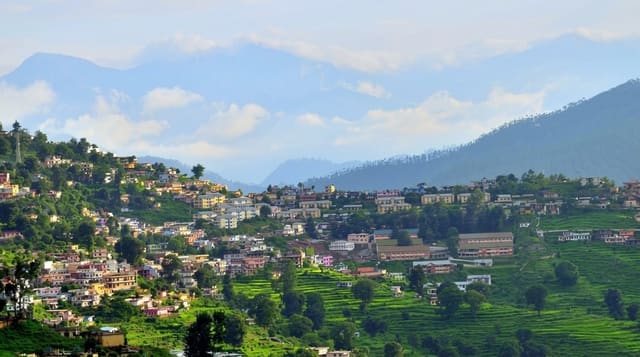
Castelo de Vide climbs a hill on the flank of the Serra de São Mamede, whitewashed with granite door frames and flowers on every wall, around a castle rebuilt by Afonso Sanches and King Dinis and finished in the fourteenth century to hold this stretch of the Castilian frontier. The Judiaria below the castle is the reason it matters historically: a well-preserved medieval Jewish quarter of narrow lanes and Gothic doorways, with a building identified as a synagogue - one of the oldest surviving in Portugal - now a museum. Jews expelled from Spain in 1492 came here in numbers, and were then forced to convert or leave by Portugal in 1496. The town's springs feed the Fonte da Vila, a Renaissance marble fountain in the lower square, and the water was the basis of a spa. Marvão, on its crag, is visible across the valley and the two are always visited together.
History
Megalithic sites such as the Anta do Sobral show Neolithic settlement here. Afonso Sanches, son of Afonso III, rebuilt the walls, his brother King Denis continued the work, and it was finished under Afonso IV in the 14th century; the 14th-century synagogue still stands and, after the expulsion of the Jews in 1496, served converted Jews as a place of worship and school into the 16th century, and it is now a small museum (Wikipedia, Castelo de Vide).
What you'll find
- The Judiaria - a medieval Jewish quarter with Gothic doorways and an early synagogue.
- The castle - a fourteenth-century frontier fortification above the town.
- The Fonte da Vila - a Renaissance marble fountain fed by the town's springs.
- The whitewash - lanes of white houses with granite frames and flowers.
When to go
March to June and September to November. Half a day. Summers here are hot, though less so than the Alentejo plain below.
What to expect
Steep cobbled lanes throughout - hard walking. The synagogue museum is small and keeps limited hours. Accommodation is modest. The town is quiet to the point of empty outside the season.
Nearby
Marvão is across the valley; the Serra de São Mamede park surrounds both.
Key facts
Source: Wikidata, item Q1000037, read on 18 October 2026.
What to pack for Castelo de Vide
Chosen from what this place is for. Tap a kit for the full checklist.
- Comfortable walking shoes - Sightseeing means kilometres of pavement and cobbles daily. Find on Amazon
- A slim anti-theft daypack - Zips that close properly; keep it in front in crowds and on transit. Find on Amazon
- A refillable water bottle - Many cities have public fountains; save money and plastic. Find on Amazon
- A light layer + compact umbrella - For museum air-con and a sudden shower. Find on Amazon
Some links on this page are Amazon affiliate links - if you buy through them we may earn a small commission at no extra cost to you.
All packing kitsPlan your trip
Where to start if Castelo de Vide is going on the list.
Booking links on this page are affiliate links - if you book through them we may earn a small commission at no extra cost to you. It never changes what we write about a place.
Opening times, ticket prices and seasonal closures change - check the official source before you go: official site.