Manggha Centre
A wave-roofed museum of Japanese art on the Vistula, built from a collection assembled by a Krakow critic in the 1900s.
Updated 29 August 2026
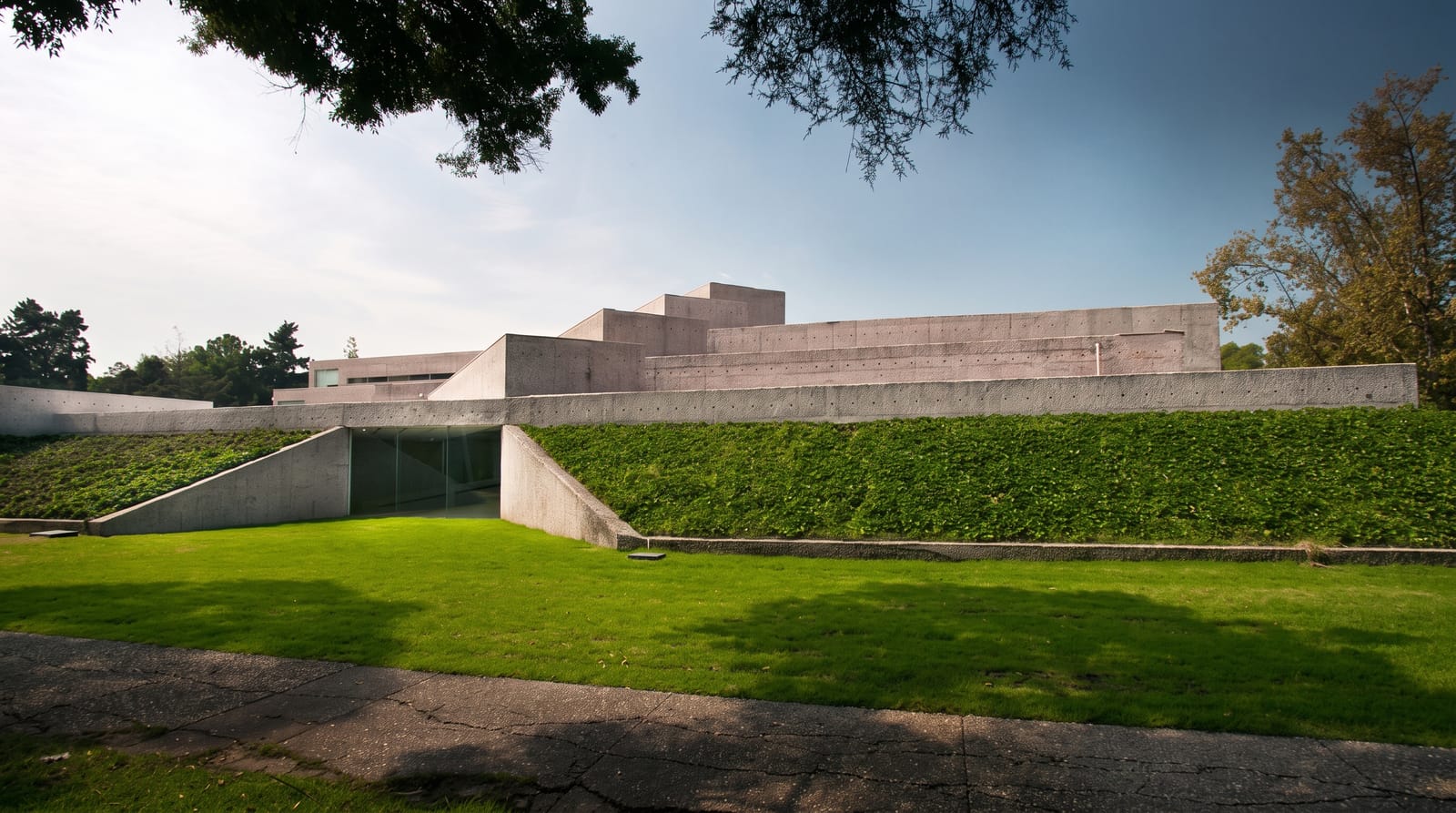
Feliks Jasienski, a Krakow critic who wrote under the pen name Manggha, assembled some six and a half thousand pieces of Japanese art around 1900 - woodblock prints, arms, textiles, lacquer, ceramics - and gave the collection to the National Museum in 1920. It sat mostly in storage for seventy years. Andrzej Wajda, who saw part of it exhibited as a young man, used the money from the Kyoto Prize he received in 1987 to fund a building for it, and the Japanese architect Arata Isozaki designed the result without a fee: a low building on the bank opposite Wawel with a roof of curved concrete shells meant to read as waves, opened in 1994. It shows the Japanese collections in rotation, runs Japanese-language and cultural programmes, and has a tea pavilion and garden. The view of the castle from its terrace is one of the better ones in the city.
The main sights
- A wave-roofed building - Arata Isozaki's design of 1994, given without a fee.
- Jasienski's collection - six and a half thousand Japanese pieces from around 1900.
- Rotating displays - prints, arms, lacquer and textiles shown in turn.
- A terrace facing Wawel - across the Vistula from the castle.
When to go
All year. Half a day.
Good to know
Only a fraction of the collection is on show at a time, and displays rotate for conservation. Closed Mondays. Temporary exhibitions sometimes take over the main space entirely.
Nearby
Wawel is across the footbridge; Kazimierz is downstream.
What to pack for Manggha Centre
Chosen from what this place is for. Tap a kit for the full checklist.
- Comfortable walking shoes - Sightseeing means kilometres of pavement and cobbles daily. Find on Amazon
- A slim anti-theft daypack - Zips that close properly; keep it in front in crowds and on transit. Find on Amazon
- A refillable water bottle - Many cities have public fountains; save money and plastic. Find on Amazon
- A light layer + compact umbrella - For museum air-con and a sudden shower. Find on Amazon
Some links on this page are Amazon affiliate links - if you buy through them we may earn a small commission at no extra cost to you.
All packing kitsPlan your trip
Where to start if Manggha Centre is going on the list.
Booking links on this page are affiliate links - if you book through them we may earn a small commission at no extra cost to you. It never changes what we write about a place.
Opening times, ticket prices and seasonal closures change - check the official source before you go: official site.