Drawa National Park
A pine and beech wilderness built around two fast clear rivers, best seen from a kayak over several days.
Saved in this browser only - no account, nothing sent anywhere. See your map
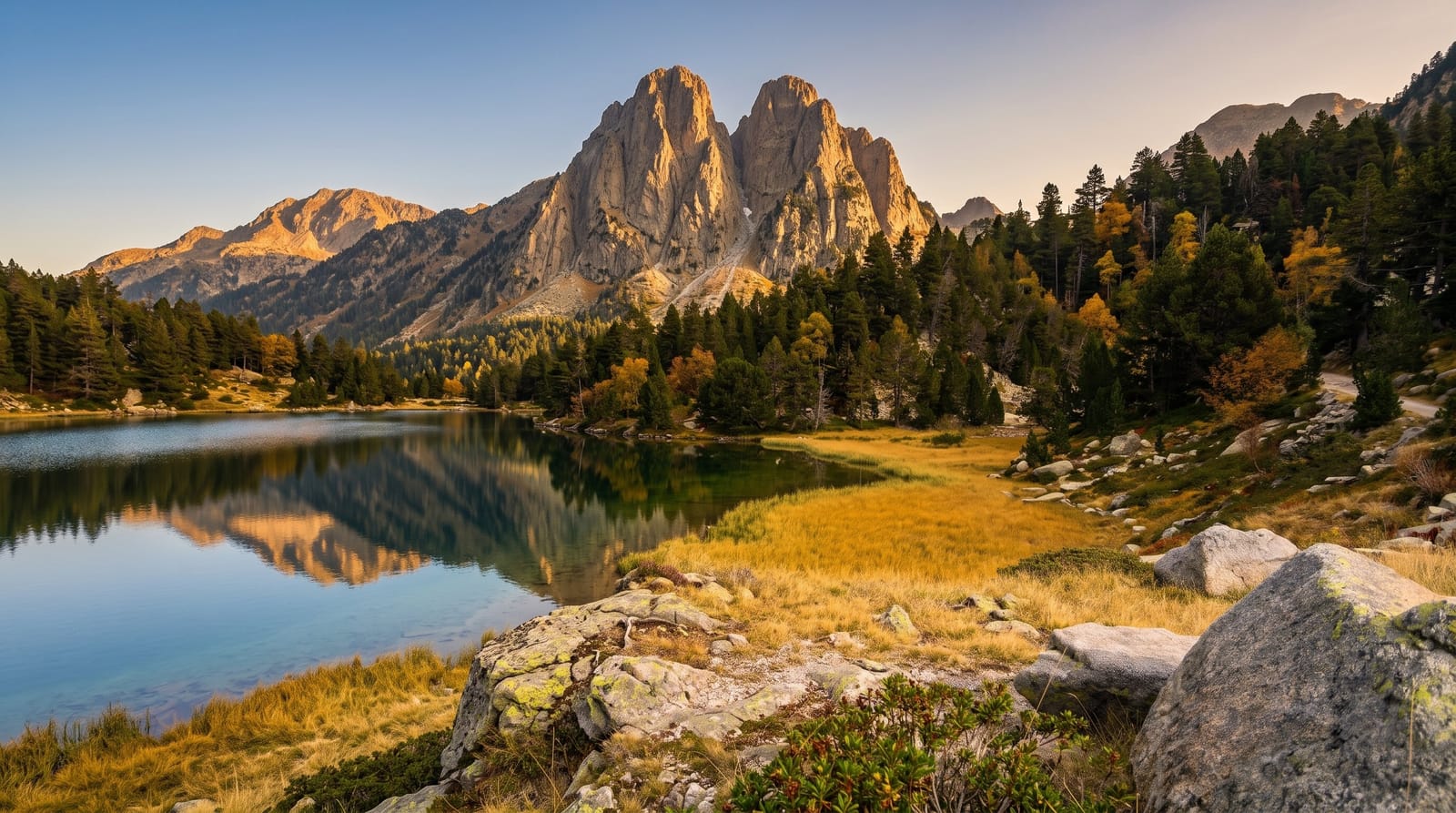
Drawa National Park protects about eleven thousand hectares along the Drawa and Plociczna rivers, and its distinguishing feature is the water: unlike most lowland Polish rivers these run fast and clear over sand and gravel with a good gradient, so they behave more like mountain streams than plains rivers, with riffles, sharp bends, fallen trees and cold clean water holding grayling, trout and otter. That makes the Drawa one of the classic Polish kayak routes, run over three to five days with campsites along it, and the park is genuinely best experienced from the water rather than from a road. The forest around is pine, beech and old oak, with a stand of ancient beech at Radecin. There are lakes within the park, including the meromictic Czarne, whose deep layer never mixes with the surface. Campsites are designated and wild camping is prohibited.
What you actually see
- Fast clear lowland rivers - the Drawa and Plociczna running over sand and gravel with a gradient.
- A three to five day kayak route - the classic way through the park, with designated campsites.
- Old beech at Radecin - a stand of ancient trees within the forest.
- A meromictic lake - Czarne, whose lower layer never mixes with the surface.
When to go
May to September. Three to five days by kayak.
Honest expectations
The park is best seen from the water - road access shows little of it. Wild camping is prohibited and campsites must be used. Fallen trees and sharp bends need some kayak competence. The rivers are cold year round.
Nearby
Drawsko lakeland is north-east; Choszczno is west.
What to pack for Drawa National Park
Chosen from what this place is for. Tap a kit for the full checklist.
Opening times, ticket prices and seasonal closures change - check the official source before you go: official site.