Branicki Palace
A baroque palace and formal garden built to imitate Versailles, now a medical university, called the Podlasian Versailles.
Updated 29 August 2026
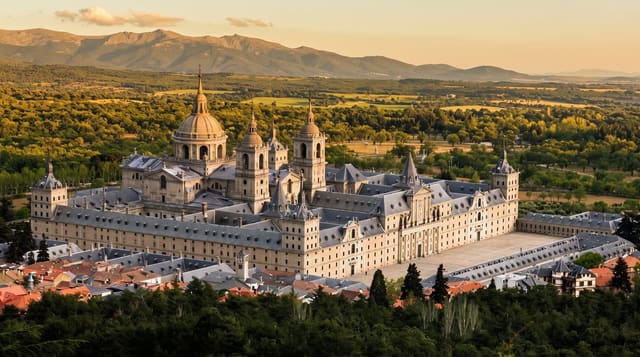
Jan Klemens Branicki, hetman of the Crown and one of the richest magnates in eighteenth-century Poland, rebuilt his family seat at Bialystok from the 1720s into a residence intended to rival royal ones: a corps de logis with side wings and an entrance court, and behind it a formal garden on terraces with parterres, sculpture, fountains, a pavilion and an orangery, laid out in the French manner by Jan Zygmunt Deybel and others. It was called the Versailles of Podlasie in his own lifetime, partly as flattery and partly because that was the intention. Branicki had ambitions on the throne and never got it. The palace burned in 1944 and was rebuilt in the 1950s, and it has housed the Bialystok medical university since, which means the interiors are largely in academic use and only some rooms are shown. The gardens are public and were restored to the baroque design in the 2010s.
What's there
- A baroque corps de logis - entrance court and wings on the royal model.
- Formal terraced gardens - parterres, fountains and sculpture, restored to the old plan.
- The Versailles comparison - made in Branicki's own lifetime, and intended.
- A university inside - the medical school occupying the rebuilt interiors.
When to go
May to September for the garden. Half a day.
Before you go
The building is a working university - interior access is limited and depends on term and events. The palace is a 1950s reconstruction after the 1944 fire. The gardens are the main draw and are free.
Nearby
Suprasl and the Knyszyn forest are north-east; Tykocin is west.
What to pack for Branicki Palace
Chosen from what this place is for. Tap a kit for the full checklist.
- Comfortable walking shoes - Sightseeing means kilometres of pavement and cobbles daily. Find on Amazon
- A slim anti-theft daypack - Zips that close properly; keep it in front in crowds and on transit. Find on Amazon
- A refillable water bottle - Many cities have public fountains; save money and plastic. Find on Amazon
- A light layer + compact umbrella - For museum air-con and a sudden shower. Find on Amazon
Some links on this page are Amazon affiliate links - if you buy through them we may earn a small commission at no extra cost to you.
All packing kitsPlan your trip
Where to start if Branicki Palace is going on the list.
Booking links on this page are affiliate links - if you book through them we may earn a small commission at no extra cost to you. It never changes what we write about a place.
Opening times, ticket prices and seasonal closures change - check the official source before you go: official site.