Piña Weaving of Aklan
Kalibo's looms weaving cloth from pineapple leaf fibre - a UNESCO-recognised craft producing the finest barong fabric in the country.
Updated 30 September 2026

AI illustration
UNESCO Intangible Cultural Heritage
Piña cloth is made from the leaves of the red Spanish pineapple, grown in Aklan specifically for fibre rather than fruit, and the process is extraordinarily laborious: leaves are scraped by hand with a shard or a coconut shell to release the fine liwis fibres, which are washed, dried, knotted end to end by hand into a continuous thread - thousands of knots for a single warp - and then woven on a wooden pedal loom into a cloth so sheer it is almost transparent and strong enough to last generations. A metre takes days. It is the fabric of the formal barong Tagalog and of heirloom church vestments, and it has always been expensive. UNESCO inscribed the Aklan tradition on its intangible heritage list in 2023. Workshops around Kalibo demonstrate the scraping, knotting and weaving, and the town's shops sell the cloth by the metre and made up.
What you'll find
- The leaf scraping - fibre extracted by hand from pineapple leaves.
- The knotting - fibres joined end to end into thread.
- The pedal looms - sheer cloth woven slowly.
- The finished piña - transparent fabric sold by the metre.
When to go
November to May for travel. Weekday working hours; workshops are small and generally closed on Sundays.
Before you go
Real piña is expensive and slow to make - much of what is sold as piña elsewhere is piña-seda blended with silk or plain jusi. Ask what you are buying. Workshops are homes and small sheds, not showrooms.
Nearby
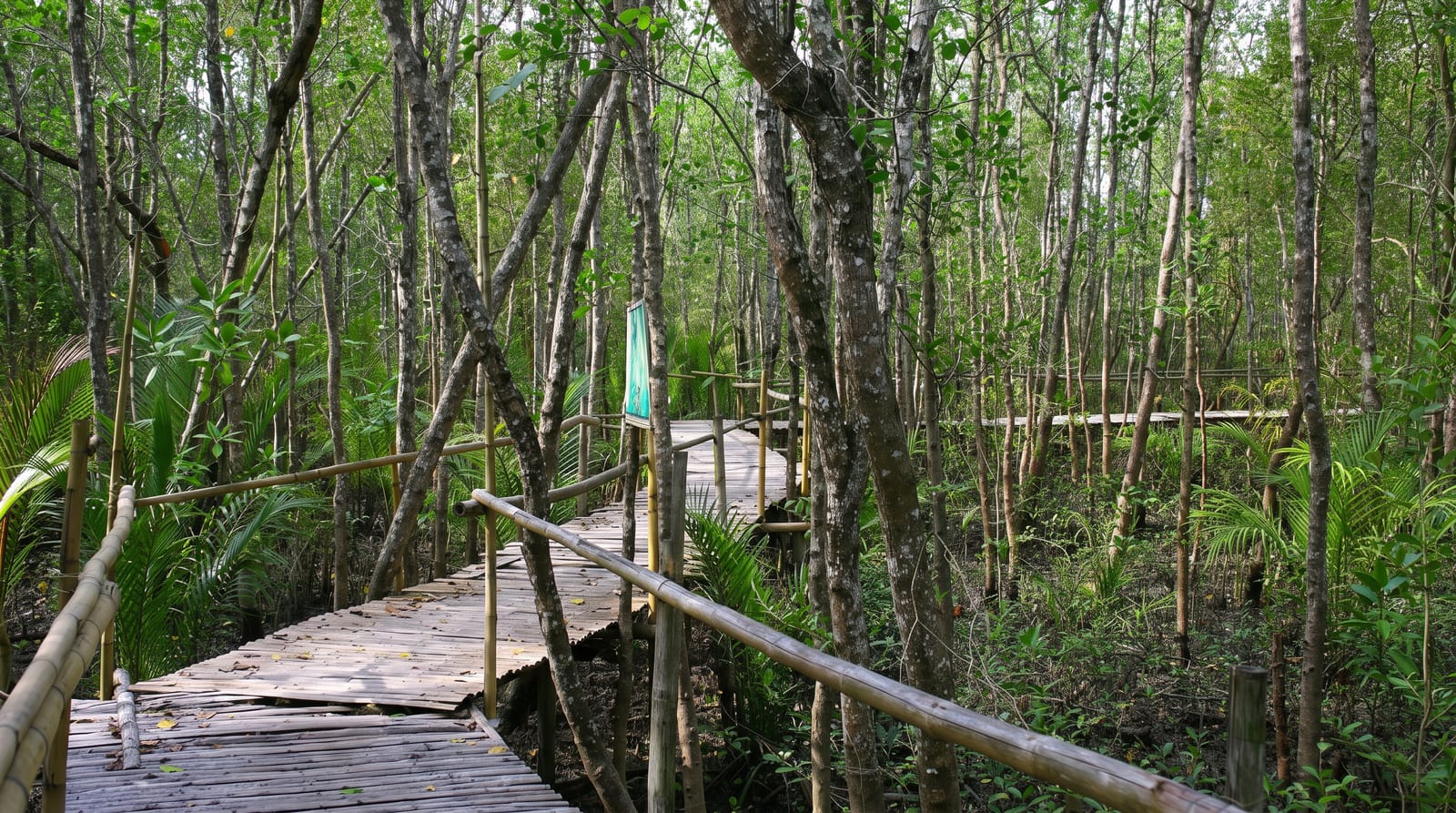
The Bakhawan Eco-Park is in Kalibo; Boracay's ferry port at Caticlan is about an hour and a half.
What to pack for Piña Weaving of Aklan
Chosen from what this place is for. Tap a kit for the full checklist.
- Comfortable walking shoes - Sightseeing means kilometres of pavement and cobbles daily. Find on Amazon
- A slim anti-theft daypack - Zips that close properly; keep it in front in crowds and on transit. Find on Amazon
- A refillable water bottle - Many cities have public fountains; save money and plastic. Find on Amazon
- A light layer + compact umbrella - For museum air-con and a sudden shower. Find on Amazon
Some links on this page are Amazon affiliate links - if you buy through them we may earn a small commission at no extra cost to you.
All packing kitsPlan your trip
Where to start if Piña Weaving of Aklan is going on the list.
Booking links on this page are affiliate links - if you book through them we may earn a small commission at no extra cost to you. It never changes what we write about a place.
Opening times, ticket prices and seasonal closures change - check the official source before you go: official site.