Casa del Moral
An eighteenth-century sillar mansion in Arequipa with a carved portal of pumas, crowns and mermaids, named for its mulberry tree.
Updated 28 August 2026
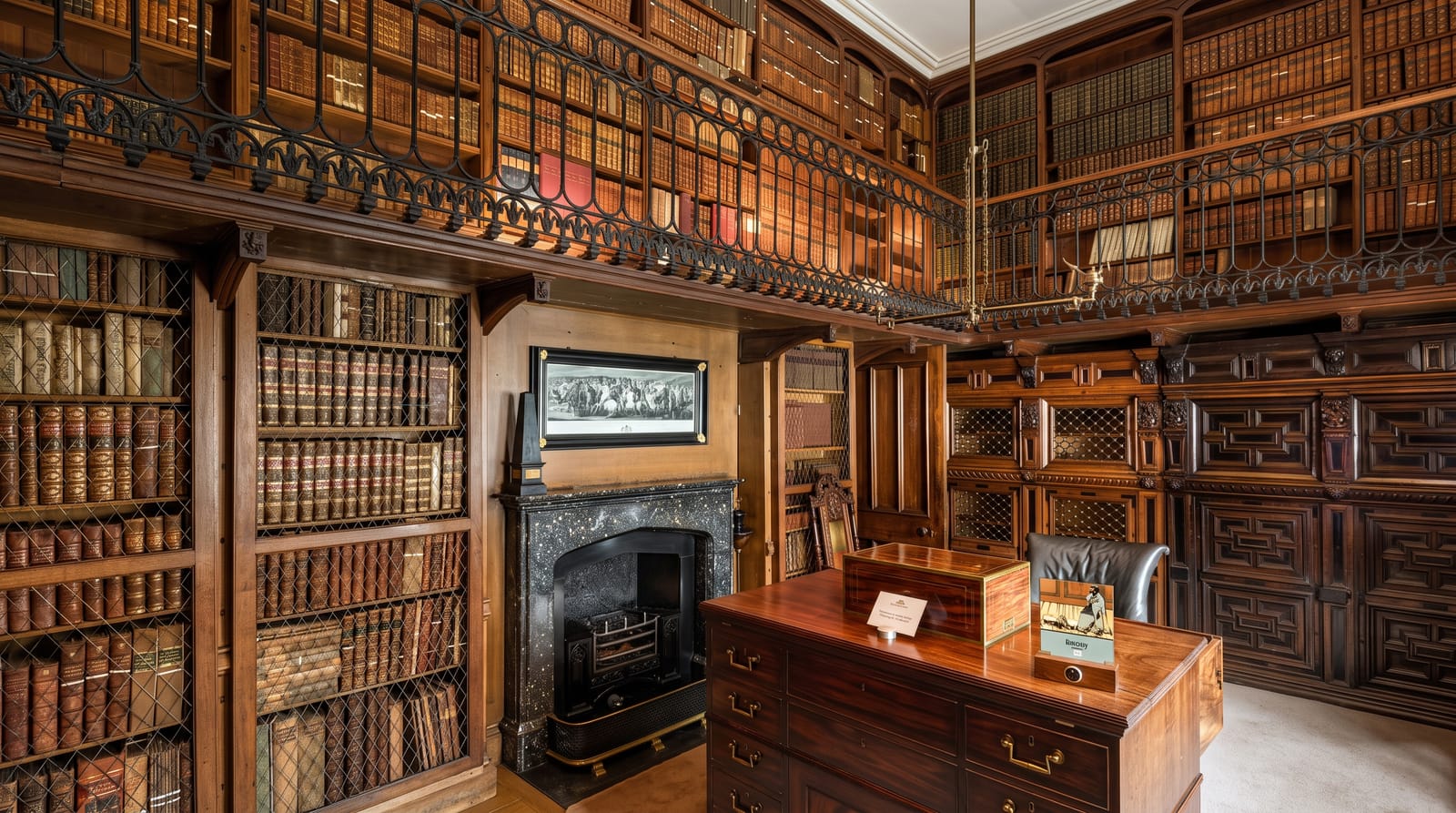
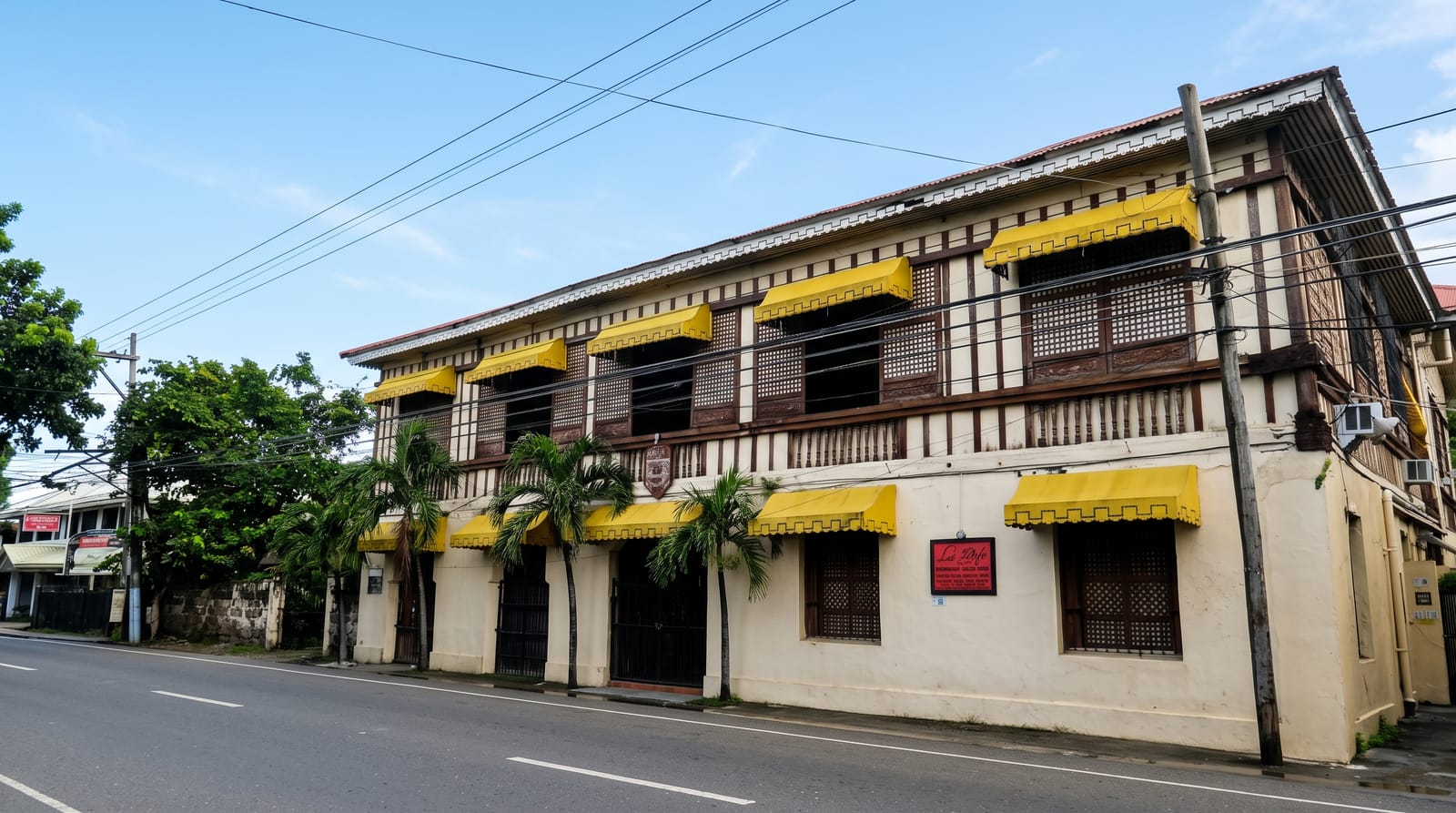
Casa del Moral is one of the best-preserved examples of Arequipa's civil baroque, built around 1730 in sillar, the white volcanic stone the whole old city is made of. Its portal is the reason to look: a dense carved composition combining Spanish heraldry with Andean elements - pumas with snakes issuing from their mouths, crowns, mermaids playing charangos, the mestizo iconography that characterises this school of carving and that appears nowhere in Spain. The house is named after an old mulberry tree in the courtyard. Inside are rooms furnished in period style, colonial paintings of the Cusco school, and a collection of early maps including sixteenth and seventeenth-century engravings of South America. The roof terrace gives a view over the sillar rooftops to Misti and Chachani. It belongs to a bank foundation and is maintained as a house museum.
Highlights
- The portal - carved pumas, crowns and charango-playing mermaids in white sillar.
- The mestizo carving - Andean iconography in a Spanish baroque frame.
- The map collection - early engraved maps of South America.
- The roof view - sillar rooftops with Misti and Chachani behind.
When to go
Year-round. Forty-five to ninety minutes. Check hours in advance; the house closes over lunch and on some public holidays.
Before you go
Small - a courtyard and a handful of rooms. Furnishings are period-style arrangements rather than the family's own. Photography rules vary by room. The portal, which is the highlight, is visible free from the street.
Nearby
Santa Catalina is east; the Plaza de Armas is a short walk south.
Key facts
Source: Wikidata, item Q5047944, read on 18 October 2026.
What to pack for Casa del Moral
Chosen from what this place is for. Tap a kit for the full checklist.
- Comfortable walking shoes - Sightseeing means kilometres of pavement and cobbles daily. Find on Amazon
- A slim anti-theft daypack - Zips that close properly; keep it in front in crowds and on transit. Find on Amazon
- A refillable water bottle - Many cities have public fountains; save money and plastic. Find on Amazon
- A light layer + compact umbrella - For museum air-con and a sudden shower. Find on Amazon
Some links on this page are Amazon affiliate links - if you buy through them we may earn a small commission at no extra cost to you.
All packing kitsPlan your trip
Where to start if Casa del Moral is going on the list.
Booking links on this page are affiliate links - if you book through them we may earn a small commission at no extra cost to you. It never changes what we write about a place.
Opening times, ticket prices and seasonal closures change - check the official source before you go: official site.