The Sombrero Pintao
A hat woven from plant fibre in the Azuero villages, its patterns dyed black with mud and recognised by UNESCO in 2017.
Updated 2 September 2026
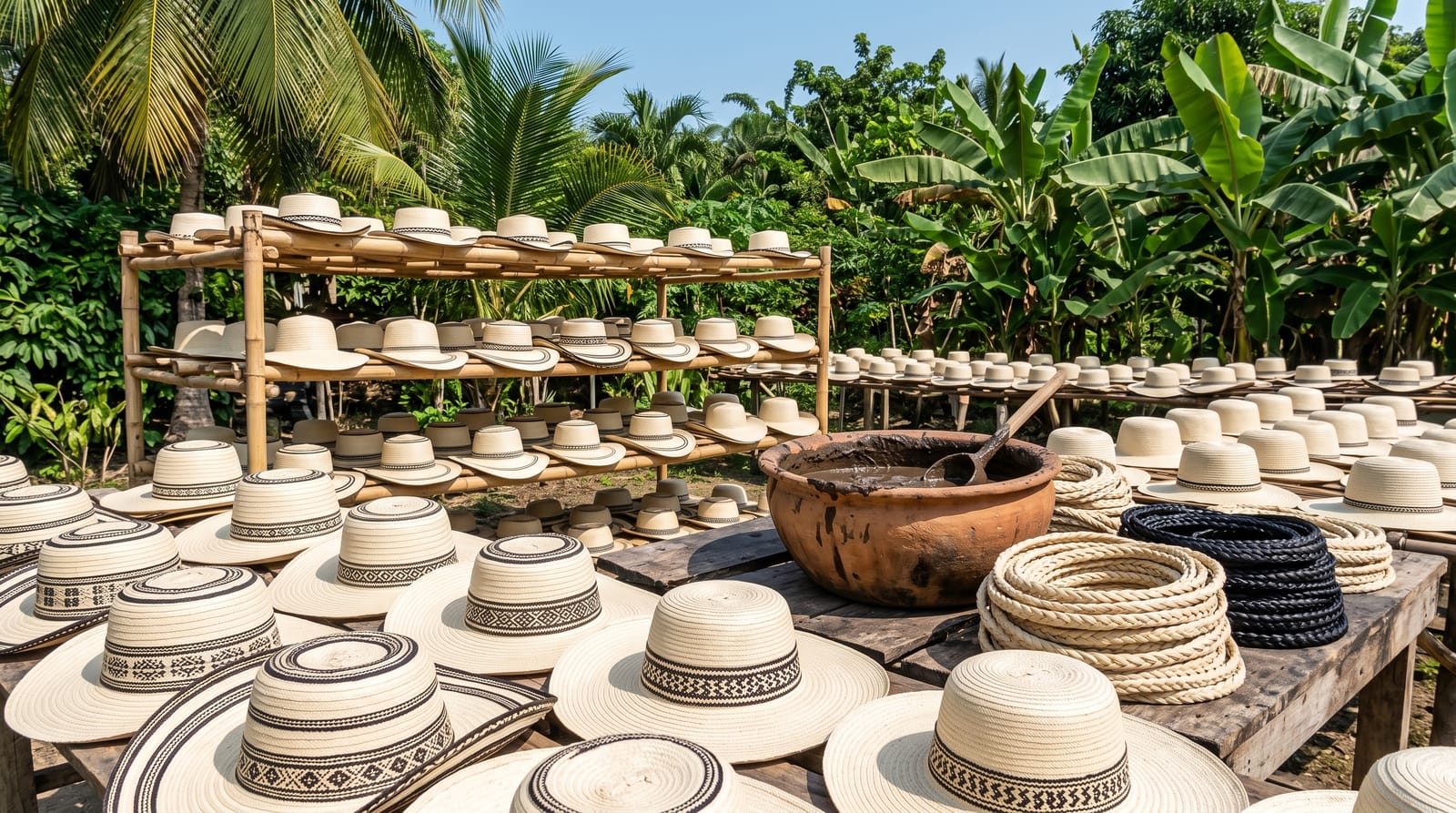
AI illustration
UNESCO Intangible Cultural Heritage
The sombrero pintao is Panama's own hat, and it has nothing to do with the Panama hat, which is Ecuadorian. It is woven from the fibres of several local plants: talcos for the pale ground, crinejas plaited into braids, and pintas, the dark bands, coloured black by burying the fibre in mud from particular riverbeds for days. The finest are made from very fine braids and take months, with quality judged by the number of braid rings. UNESCO inscribed the whole process, from growing the plants to the mud dyeing, in 2017. La Pintada in Coclé is the best known centre and holds a hat fair each October.
The main sights
- The mud dyeing - fibre buried in riverbed mud to turn it black.
- The braid count - how quality is judged, from a few rings to twenty-odd.
- La Pintada workshops - the main centre, open to visitors.
- The October hat fair - the annual gathering of makers.
When to go
Year-round for workshops, which work on weekdays. The hat fair at La Pintada is in October. Buying from a maker rather than a market stall gets both a better hat and the money to the right place.
What to expect
Prices vary enormously with the fineness of the braid, and a genuinely fine hat costs several hundred dollars; the cheap ones in tourist shops are coarse and often not made in Panama at all. Confusing it with the Panama hat, which is Ecuadorian, annoys people here. Hats are awkward to carry home undamaged.
Nearby
La Pintada is 20 minutes from Penonomé; the Azuero villages are further south.
What to pack for The Sombrero Pintao
Chosen from what this place is for. Tap a kit for the full checklist.
- Comfortable walking shoes - Sightseeing means kilometres of pavement and cobbles daily. Find on Amazon
- A slim anti-theft daypack - Zips that close properly; keep it in front in crowds and on transit. Find on Amazon
- A refillable water bottle - Many cities have public fountains; save money and plastic. Find on Amazon
- A light layer + compact umbrella - For museum air-con and a sudden shower. Find on Amazon
Some links on this page are Amazon affiliate links - if you buy through them we may earn a small commission at no extra cost to you.
All packing kitsPlan your trip
Where to start if The Sombrero Pintao is going on the list.
Booking links on this page are affiliate links - if you book through them we may earn a small commission at no extra cost to you. It never changes what we write about a place.
Opening times, ticket prices and seasonal closures change - check the official source before you go: official site.