Omani Frankincense
The resin tapped from scrubby Boswellia trees in the southern hills, traded for millennia and still burned in every Omani house.
Updated 1 September 2026
AI illustration
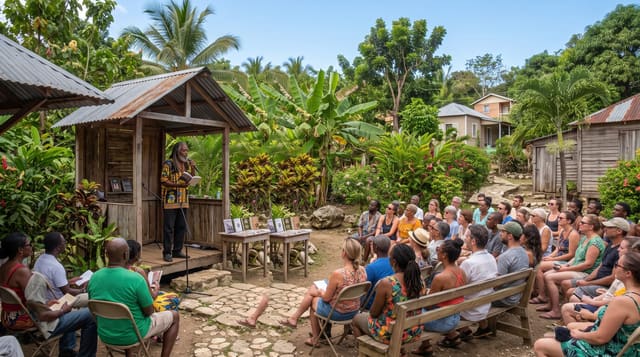
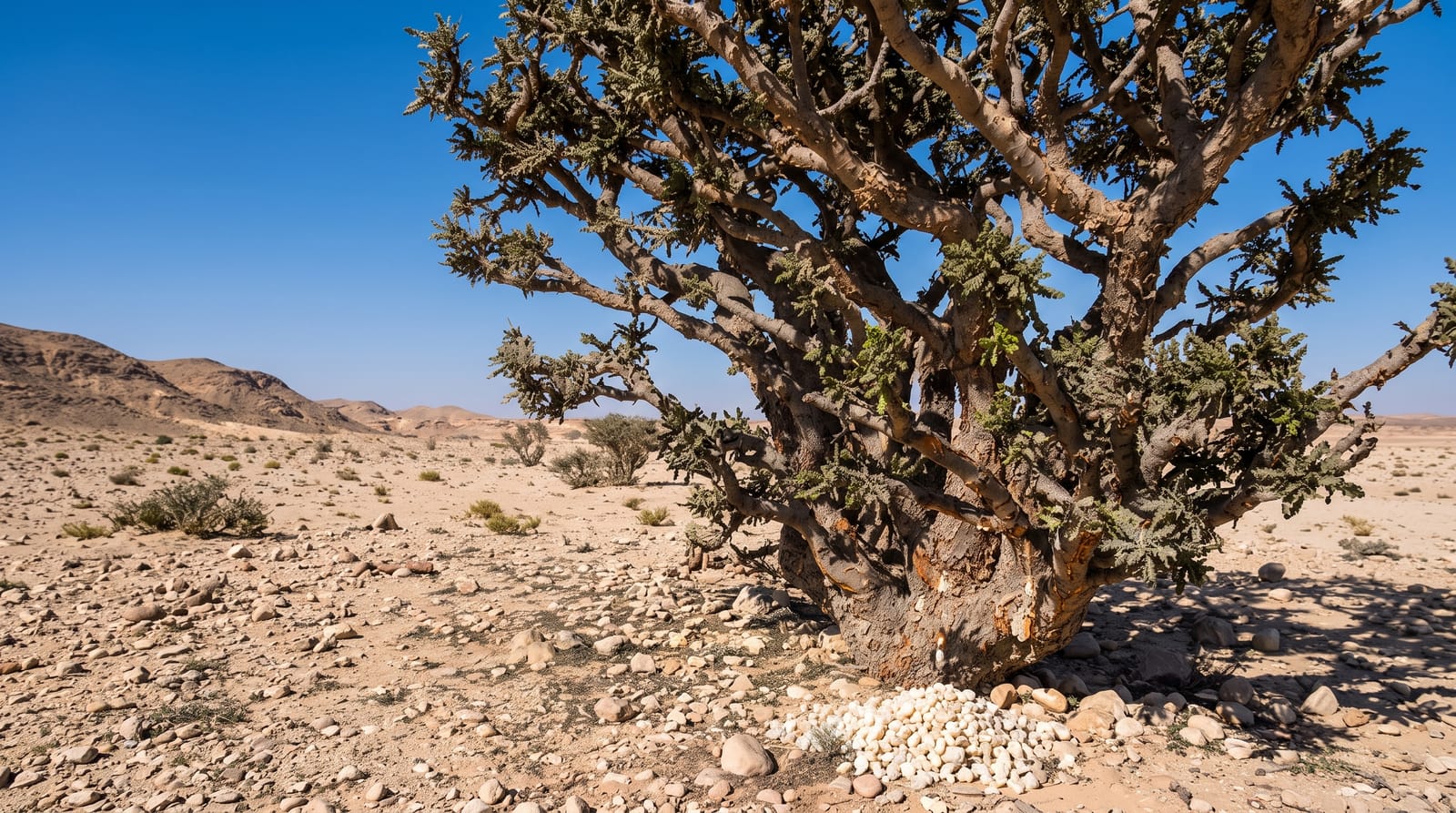
Frankincense is the dried sap of the Boswellia sacra tree, a scrubby, unglamorous plant that grows in the dry hills of Dhofar, and for thousands of years it was one of the most valuable commodities in the world, carried north by camel caravan and by sea to Egypt, Rome and beyond. The trees are tapped by cutting the bark and leaving the milky resin to harden into pale tears over a couple of weeks, and the whitest, most translucent grade, hojari, comes from particular inland areas and still commands high prices. Wadi Dawkah, a protected grove of thousands of trees, is the easiest place to see them growing, and the souq at Al Husn in Salalah sells resin by grade alongside the clay burners that sit in every Omani home, where a few grains are put on charcoal to scent rooms, clothes and guests.
What you'll find
- Wadi Dawkah - the protected grove of Boswellia trees inland from Salalah.
- Tapped trunks - the cuts and hardening resin tears on the bark.
- Al Husn souq - frankincense sold by grade alongside clay burners.
- Burning it - the everyday use of a few grains on charcoal in Omani homes.
When to go
October to April is the comfortable season in Dhofar; the khareef monsoon from around July to September turns the hills green and misty, which is spectacular and the region's busiest time, though the frankincense groves prefer the dry side of the mountains. Tapping happens in the hotter months.
What to expect
The trees themselves are unremarkable to look at, scrubby and low, so the interest is in the story and the trade rather than the sight. Much of what is sold cheaply in souqs is lower-grade resin or comes from Somalia rather than Dhofar; the good hojari is expensive and worth asking about specifically. Wadi Dawkah has minimal facilities and needs a car.
Nearby
Salalah and the Dhofar coast are close; the Land of Frankincense archaeological sites are nearby.
What to pack for Omani Frankincense
Chosen from what this place is for. Tap a kit for the full checklist.
- Strong insect repellent - DEET or picaridin; the jungle is where bites and disease risk are highest. Find on Amazon
- Comfortable walking shoes - Sightseeing means kilometres of pavement and cobbles daily. Find on Amazon
- Long, light, quick-dry clothing - Covers skin from insects and sun without cooking you in the humidity. Find on Amazon
- A slim anti-theft daypack - Zips that close properly; keep it in front in crowds and on transit. Find on Amazon
Some links on this page are Amazon affiliate links - if you buy through them we may earn a small commission at no extra cost to you.
All packing kitsPlan your trip
Where to start if Omani Frankincense is going on the list.
Booking links on this page are affiliate links - if you book through them we may earn a small commission at no extra cost to you. It never changes what we write about a place.
Opening times, ticket prices and seasonal closures change - check the official source before you go: official site.