Stiklestad
The site of the 1030 battle in which King Olav died, becoming Norway's patron saint and the country's Christian founding story.
Updated 4 September 2026
AI illustration
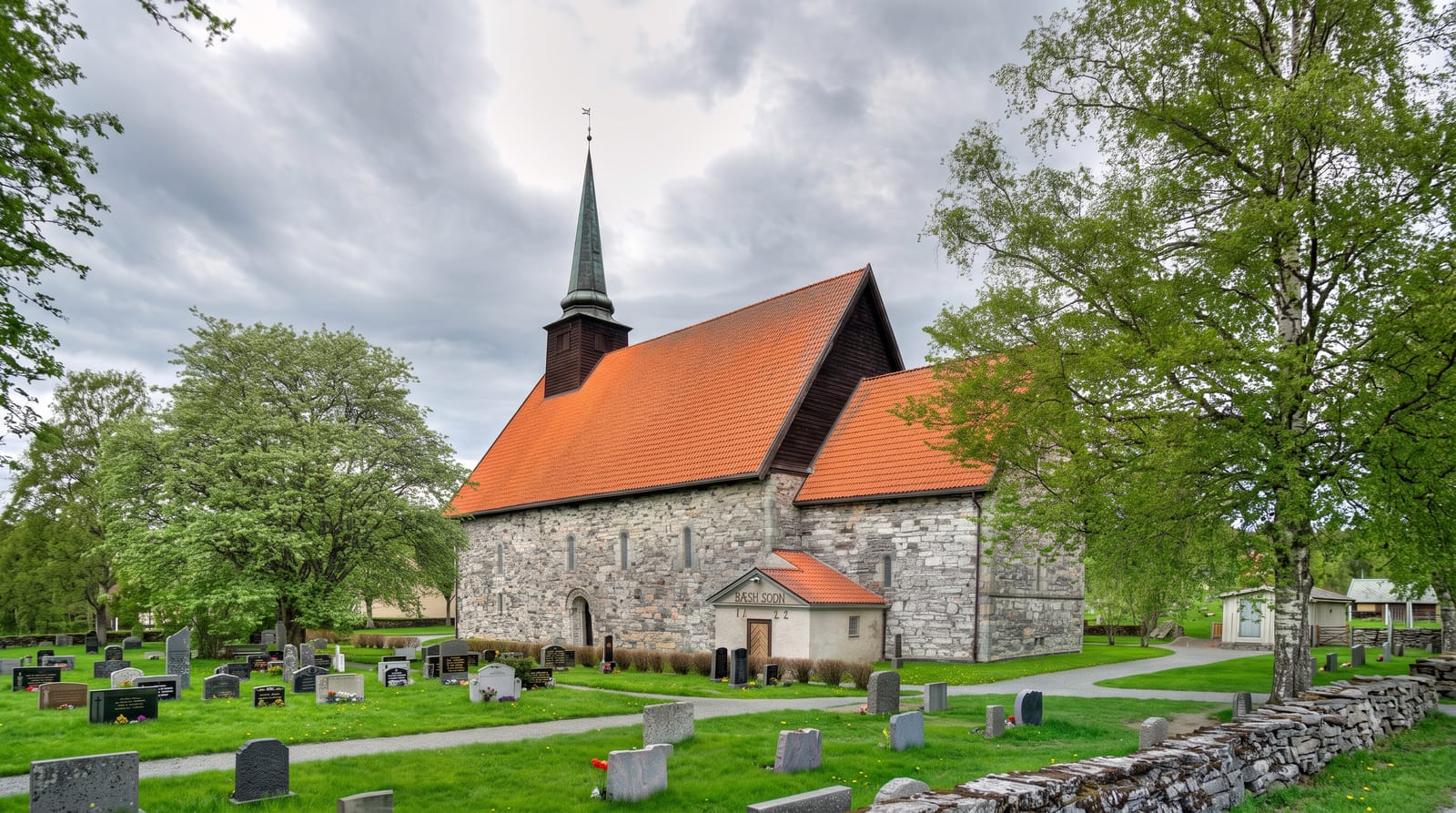
Olav Haraldsson died at Stiklestad on 29 July 1030 in a battle against a coalition of Norwegian chieftains, and within a year he was declared a saint; his cult spread rapidly, Nidaros became a pilgrimage destination, and the conversion of Norway is conventionally dated from this event. The site holds a stone church of about 1180 built, tradition says, over the rock on which he died, an open-air museum of relocated farm buildings, a cultural centre with exhibitions, and a large outdoor amphitheatre. Each year around 29 July the Saint Olav Drama is performed there with hundreds of local performers, a tradition running since 1954, alongside a wider festival week that draws pilgrims and visitors.
What's there
- The stone church - a building of about 1180 associated with the saint's death.
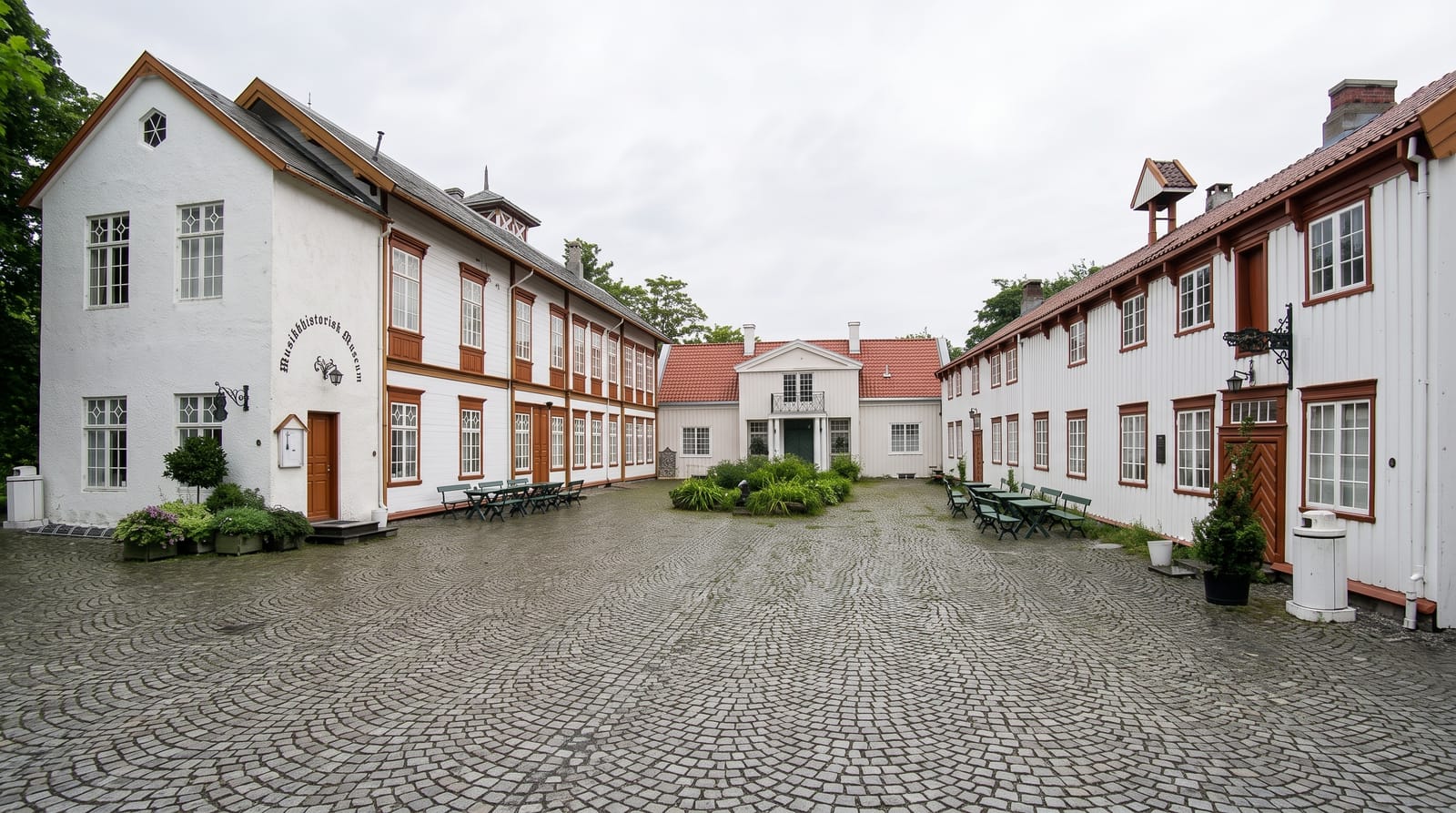
- The open-air museum - relocated farm buildings on the site.
- The amphitheatre - the outdoor stage for the annual Saint Olav Drama.
- The exhibitions - the battle, the cult of Olav and Norway's conversion.
When to go
June to August for full opening; the Saint Olav Drama and festival fall at the end of July and are the site's main event, needing tickets and accommodation booked well ahead. Winter opening is limited.
Good to know
Outside the summer festival the site is quiet and the open-air museum may be closed. The battle itself left nothing visible on the ground, so the interest is entirely interpretive. Play tickets are separate and sell out.
Nearby
The St Olav Ways pilgrim routes pass through; Trondheim and Nidaros Cathedral lie southwest.
Key facts
Source: Wikidata, item Q369100, read on 18 October 2026.
What to pack for Stiklestad
Chosen from what this place is for. Tap a kit for the full checklist.
- Comfortable walking shoes - Sightseeing means kilometres of pavement and cobbles daily. Find on Amazon
- Modest clothing - Shoulders and knees covered - the single most common requirement. Find on Amazon
- A slim anti-theft daypack - Zips that close properly; keep it in front in crowds and on transit. Find on Amazon
- A scarf or shawl - To cover the head or shoulders on entry; women especially at mosques. Find on Amazon
Some links on this page are Amazon affiliate links - if you buy through them we may earn a small commission at no extra cost to you.
All packing kitsPlan your trip
Where to start if Stiklestad is going on the list.
Booking links on this page are affiliate links - if you book through them we may earn a small commission at no extra cost to you. It never changes what we write about a place.
Opening times, ticket prices and seasonal closures change - check the official source before you go: official site.